




A Federal High Court in Lagos has blocked the sale of assets belonging to healthtech startup 54gene to prevent the dissolution of the company, according to court documents.
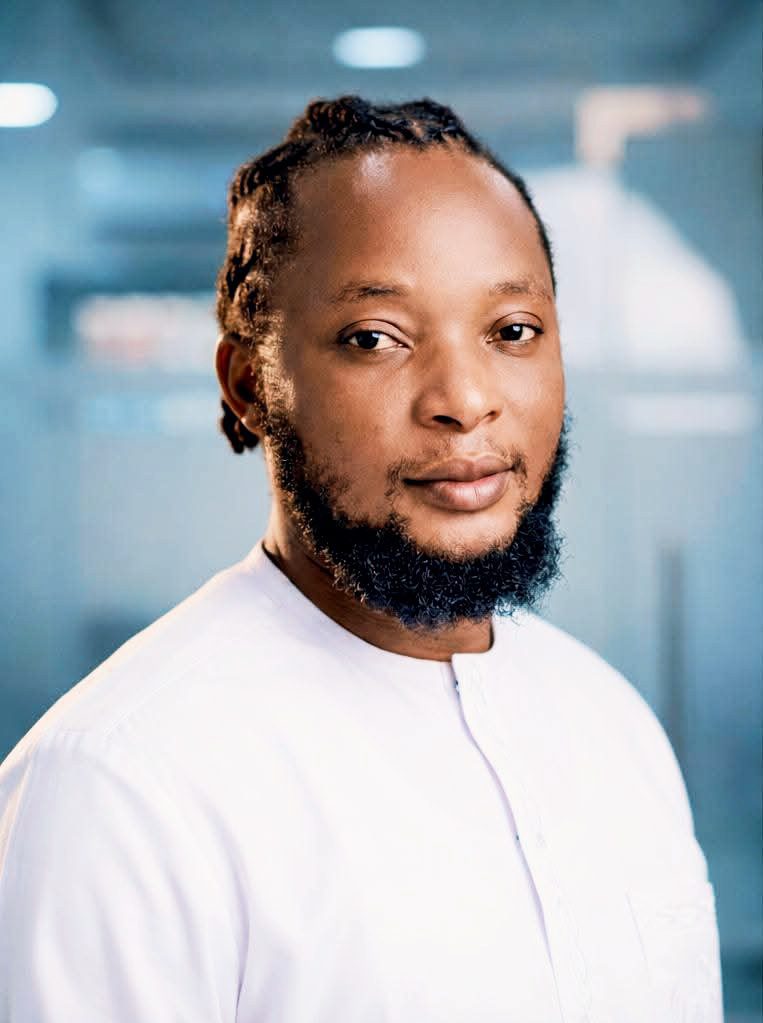
Per the records, Founder of the startup, Dr. Abasi Ene-Obong, in July 2025, petitioned the startup’s largest investors, Cathay AfricInvest and Adjuvant Capital, before the federal high court sitting in Lagos, accusing them of orchestrating its collapse.
He alleged the investors sidelined the board, rejected a $110 million rescue package, and forced the Nigerian subsidiary into bankruptcy. Ene-Obong claimed they threatened to spread false fraud allegations against him. He also accused them of transferring assets to the Nigerian subsidiary to sell them without oversight, raising concerns about the sensitive genomic data.

The investors, holding a combined 29.4% stake, allegedly reduced 54gene’s valuation from $170 million to $50 million. They demanded four times their investment back before any liquidity event. Ene-Obong claimed he secured $80 million in commitments at a $200 million valuation, but the board blocked the deal. He also offered to buy out the investors for $3 million, which was initially accepted but later rejected after he refused to pay $100,000 in alleged legal costs within 24 hours.
The court’s ruling blocking the sale of 54gene’s assets, siding with Ene-Obong’s claims, aims to protect the biobank’s sensitive data, which could pose national security risks if sold to the highest bidder.
The rise and fall of 54gene
Founded in the heat of COVID-19 in 2019, 54gene aimed to revolutionise global pharmaceutical research. The startup focused on bridging the gap in African genomic data. Less than 3% of genetic material used in global research comes from Africa, despite the continent’s genetic diversity. It sought to address this by building a biobank with African DNA samples. The company raised $45 million across three funding rounds, attracting high-profile investors like Y Combinator and Adjuvant Capital.
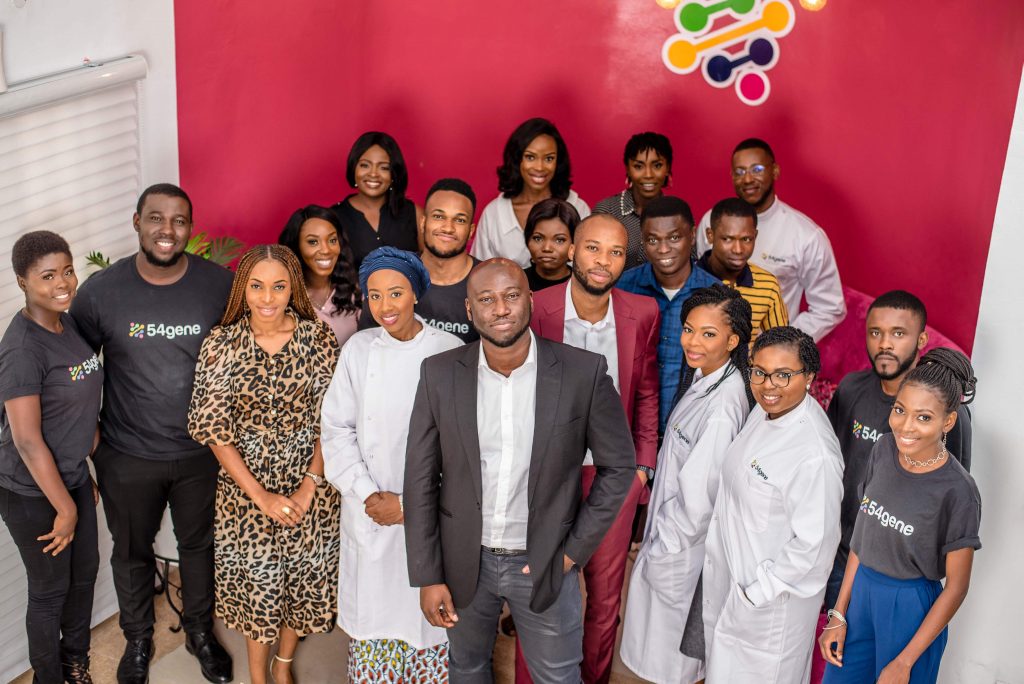
Its early rise was meteoric. It established Africa’s first private human genome sequencing lab. By 2021, 54gene ventured into diagnostics with Seven River Labs, capitalising on COVID-19 testing demand. The diagnostics arm generated over $20 million in revenue. However, the end of the pandemic led to a sharp revenue drop. The company’s pivot to diagnostics proved costly, and financial mismanagement allegations surfaced.
By mid-2022, 54gene was facing severe financial strain. The company slashed salaries and laid off 30% of its workforce. By October, another 55% were let go, reducing staff from over 300 to just 39. Leadership turmoil followed, with three CEO changes in a year. Dr. Ene-Obong resigned in October 2022 and was replaced by interim CEO Teresia Bost. Ron Chiarello took over in March 2023 but left by July, citing financial insolvency.
54gene’s collapse sent shockwaves through Africa’s tech ecosystem. This legal battle has once again raised concerns about investor control and founder rights. Ene-Obong’s allegations of sabotage echo broader concerns about powerful interests targeting transformative African ventures.
In a 2024 post on Medium, he compared 54gene’s struggles to historical cases like Aliko Dangote’s refinery battles. He denied financial impropriety, noting a forensic audit found no unethical conduct.

Meanwhile, undeterred, Ene-Obong launched Syndicate Bio in September 2023. The new genomics company focuses on precision medicine and inclusive research. His resilience highlights the challenges African entrepreneurs face in navigating investor dynamics.
Syndicate Bio aims to continue 54gene’s mission of advancing African genomics. However, the legal and financial fallout from 54gene persists. Unpaid creditors and lawsuits, including one from former interim CEO Teresia Bost alleging a hostile work environment, complicate the company’s legacy.
The court’s decision to block the asset sale protects 54gene’s biobank for now. However, the future of its 130,000+ patient samples remains uncertain. The genomic data, critical for global research, must be handled with care to avoid misuse.
For Dr. Ene-Obong, the victory is bittersweet. While the court sided with him, 54gene’s collapse marked a setback for African biotech. His new startup, Syndicate Bio, carries the torch forward. The industry watches closely as Africa’s much-needed healthcare sector navigates this turbulent chapter.
