




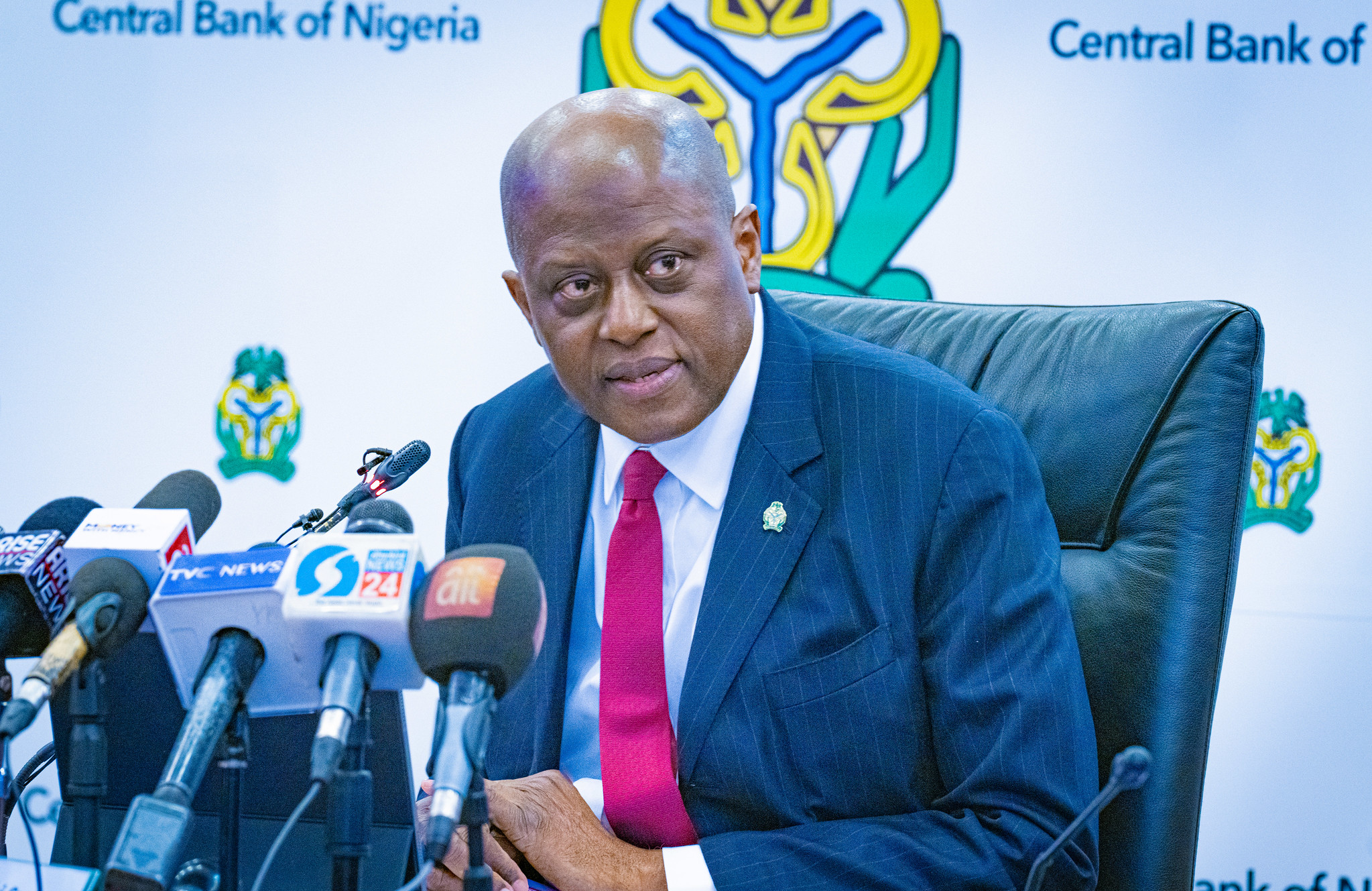
The Central Bank of Nigeria (CBN) has cut its benchmark interest rate (MPR) from 26.5% to 23%, a decision reached at its 307th Monetary Policy Committee meeting today.
To many Nigerians, that sentence lands somewhere between jargon and white noise. But buried in it is something that hits your wallet directly: the cost of borrowing, the return on your savings, and the price businesses pay to raise money.
What is the MPR, really? The Monetary Policy Rate is the CBN’s benchmark interest rate: think of it as the price tag on money itself. When the CBN keeps that price high, borrowing becomes expensive. People and businesses think twice before taking loans or making big purchases. When the CBN cuts it, money starts getting cheaper.

That’s exactly what happened this week: the rate came down from 26.5% to 23%. That’s a 3.5 percentage-point drop, or 350 basis points, in the language economists prefer.
So will your loan get cheaper tomorrow? Not automatically. Banks set their own lending rates based on their costs, the risks they’re taking, and a host of other factors. The MPR is a signal, not a switch.
But if banks pass the cut through to customers, new loans could gradually become cheaper. For businesses, that could mean easier access to funds for equipment, inventory, new branches, or expansion. For individuals, it could eventually translate into lower costs on certain kinds of borrowing.
Similar read: Nigeria’s inflation falls to 15.39% in August as food prices ease
Cheaper money cuts both ways. If interest rates keep falling, the returns on savings and fixed-income investments tend to fall with them. Say you’re earning a healthy rate on an investment today; a similar investment made after rates drop could pay you less.
That prospect may push some investors toward stocks, private businesses, or real estate. Just remember: those options carry more risk, and a lower interest rate doesn’t magically turn every investment into a winner.
Other CBN announcements you should know and what they mean
The interest rate cut was only part of the story from Tuesday’s announcement. There’s another number, and it matters just as much. It’s the Cash Reserve Requirement, or CRR: the share of certain deposits that banks must hold with the CBN instead of lending out freely.
For Deposit Money Banks, that requirement stays put at 45%. In plain terms, a bank holding ₦100 in qualifying deposits can’t touch roughly ₦45 of it; that slice belongs to the CBN, not to the next customer waiting for a loan.

Merchant banks operate under a lighter CRR of 16%, while public-sector deposits outside the Treasury Single Account remain locked at 75%. So here’s the puzzle: the CBN has made money cheaper, but it hasn’t loosened the rules on how much of it banks can actually put to work. The CBN doesn’t just set a single rate; it builds a corridor around it. With the MPR at 23%, the upper edge sits at 23.5% (50 basis points above), and the lower edge at 20% (300 basis points below).
That corridor is the CBN’s steering wheel. It nudges the rates at which banks lend to and borrow from one another in the short-term money market, the plumbing most Nigerians never see, but which ultimately feeds into what they pay for credit.
The real headline isn’t that the MPR now reads 23%. It’s the balancing act behind it: the CBN is opening the door to cheaper credit while keeping a firm hand on liquidity- the money flowing through the banking system.

There’s context here too. Nigeria’s headline inflation has been easing, falling to 15.39% in August. If that downward trend holds, lower rates could give businesses more room to borrow, invest, and grow.
But the ultimate test comes later, and it’s a simple one. Will Nigerians actually feel cheaper loans, softer returns on savings, and more affordable financing for businesses? That’s where this decision will finally prove itself.
Read also: From ₦768 to ₦1329/dollar: what the big numbers behind Cardoso’s 3 years at CBN really say
