

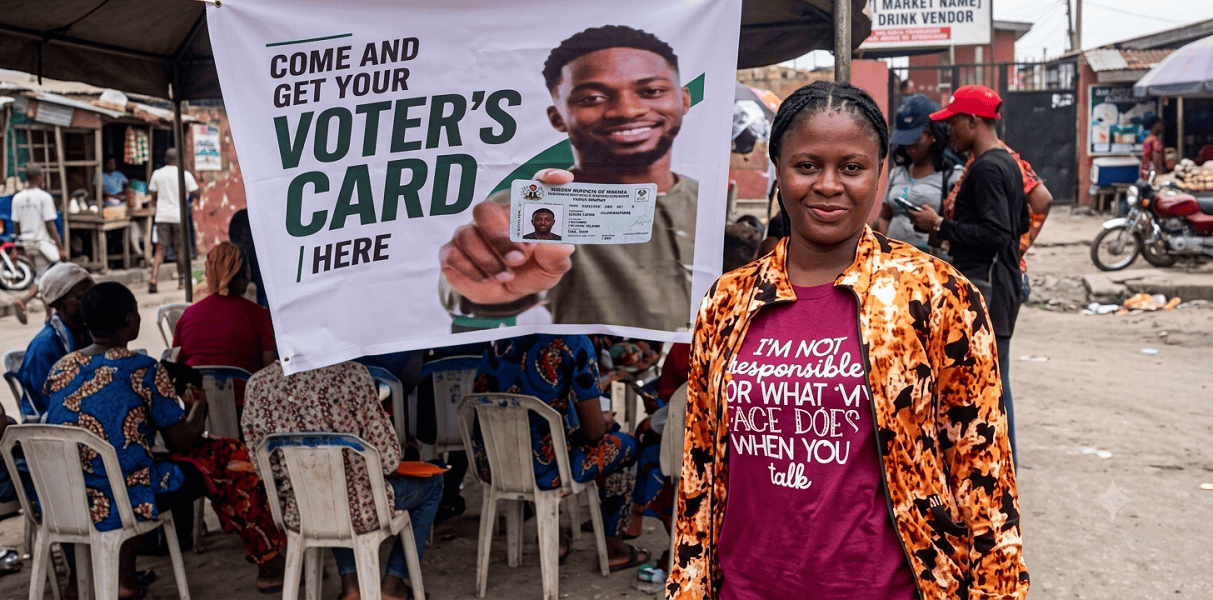




Nigeria’s upcoming presidential election may see a new role for artificial intelligence (AI) in independently verifying election results, as civic organisations look to technology to simplify the counting process.
This initiative follows the recent governorship election in Osun, where election-monitoring organisations such as Yiaga Africa and the Athena Centre for Policy and Leadership utilised AI-assisted tools to analyse and independently tally results before the Independent National Electoral Commission (INEC) announced the outcomes.
In this election, Governor Ademola Adeleke secured another term by defeating Bola Oyebamiji, the candidate from the All Progressives Congress, on August 15.
However, for the organisations involved, the importance of this election goes beyond determining the winner. The Osun election presented an opportunity to test whether technology could enable observers to process election information quickly enough to provide an independent verification of the official results.

AI is becoming part of the election-monitoring process
Nigeria is using technology in its elections, particularly through the Independent National Electoral Commission (INEC), which employs the Bimodal Voter Accreditation System (BVAS) to validate voters and share results electronically. However, the role of artificial intelligence (AI) is different.
Instead of replacing INEC’s systems, civic organisations are looking at how AI can help analyse the vast amounts of data generated during elections. For example, election observers can gather results from polling units, including numbers and images of result sheets. Doing this manually across many locations takes a lot of time, but AI can organise the data, spot patterns, and find inconsistencies that need further investigation.
The goal is not just to get results quickly but to understand where those numbers originate. A recent election in Osun showed how this could work on a larger scale. Organisations like Yiaga Africa and the Athena Centre used technology to allow observers to analyse results independently while INEC was still tallying votes. This technology didn’t replace INEC; it added another layer of analysis for comparison.
With the presidential election in 2027 expected to generate a massive amount of data, AI could assist even more. Instead of humans checking each result, AI could help organise the data, identify unusual results, and flag areas that need further verification. This means AI will help verify what happened after the voting, rather than predicting outcomes.
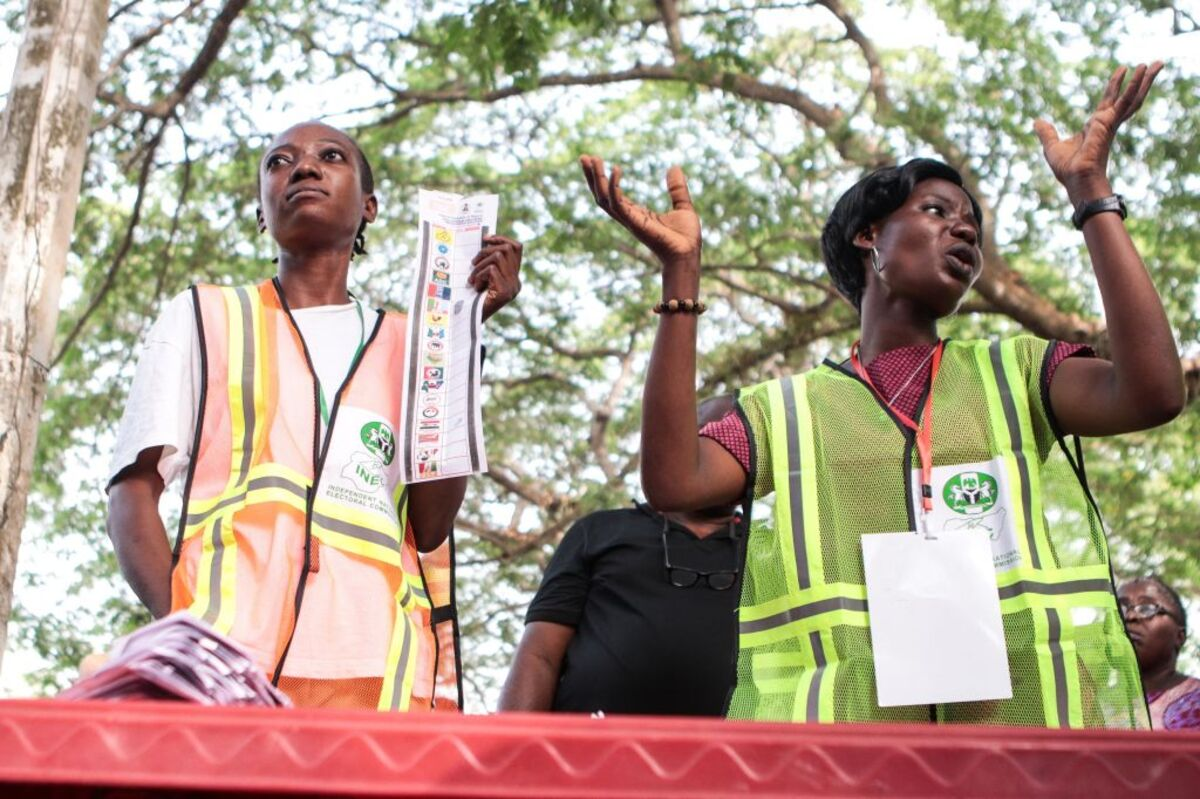
However, AI alone can’t determine if an election was conducted properly; it needs accurate data. If there are missing or incorrect results, it may give unreliable outputs. Therefore, human observers are still crucial to collect and verify information.
The future of election monitoring will likely involve humans working with AI to speed up the processing of election data. Besides AI, Nigeria’s election technology scene includes platforms like E Don Kast, which makes election data accessible for citizens and journalists, enabling them to verify results independently.
Similar read: How E Don Kast is making Nigeria’s election results more transparent in real time
Overall, the trend in Nigeria’s election technology is moving towards creating tools that help people better understand, compare, and scrutinise election information rather than just putting elections online.
2027 election will be the bigger test
Using AI to monitor elections in Osun has shown promise, but this does not mean it will work the same way in a larger presidential election across Nigeria. The scale will be much bigger, there will be more data, and any mistakes will have more serious political consequences.
However, the Osun election has taught us something important: AI can help analyse election results even before the official counting is done. If we can make this technology reliable enough for the 2027 elections, it could provide election observers with a quicker way to spot problems and give citizens more information to question the official results.
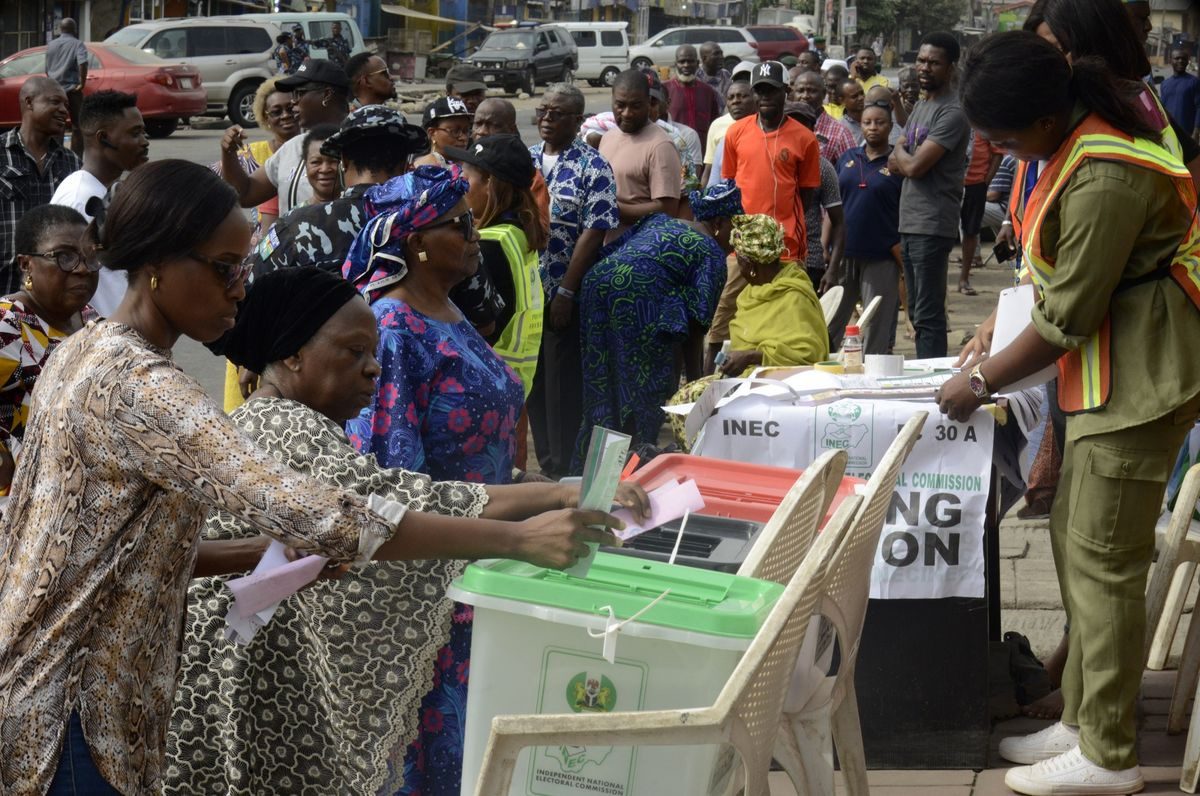
For Nigeria’s election technology, this could be the key improvement. The goal is not just to use AI to announce the winner but to help people understand how the election results are calculated.
Also read: Why Nigeria’s elections depend on imported technology and what’s making it more expensive
