




Taiwan has just handed down its heaviest sentence to date for cryptocurrency-linked fraud, and the scale of it says something about how seriously the island’s courts now treat crimes built around digital assets. Shih Chi-jen, the man behind the crypto exchange BitShine, will spend the next 22 years behind bars for running a nationwide network that prosecutors say laundered billions of New Taiwan dollars through Tether while hiding behind the paperwork of a properly licensed firm.
It is the largest sentence handed down in a Taiwanese crypto fraud case so far and one of the largest anywhere in Asia in recent times.
The verdict, delivered by the Shilin District Court on 16 July, sentenced Shih to 22 years in prison, just three short of the 25 years prosecutors had asked for. The court found him guilty of running an unlicensed virtual asset service alongside aggregated fraud and money laundering spanning 485 separate counts, and it confiscated roughly NT$43.7 million (about $1.4 million) in criminal proceeds.
How Shih carried out the BitShine scam
According to court documents, Shih had been the Southeast Asia operations head for the offshore exchange CoinW, but CoinW had never completed Taiwan’s anti-money laundering registration. So Shih spent roughly 19.2 million USDT to buy into an existing registered entity, Biying Technology, effectively acquiring its compliance paperwork as a shell.
From there, he built out what prosecutors described as a “VASP franchise” model, recruiting operators to run physical BitShine shopfronts across the island, eventually reaching 45 outlets at its peak. Each franchisee paid millions of New Taiwan dollars in licensing and deposit fees. BitShine marketed itself publicly as authorised by Taiwan’s Financial Supervisory Commission, a claim investigators say lured ordinary depositors who assumed they were dealing with a properly regulated exchange.
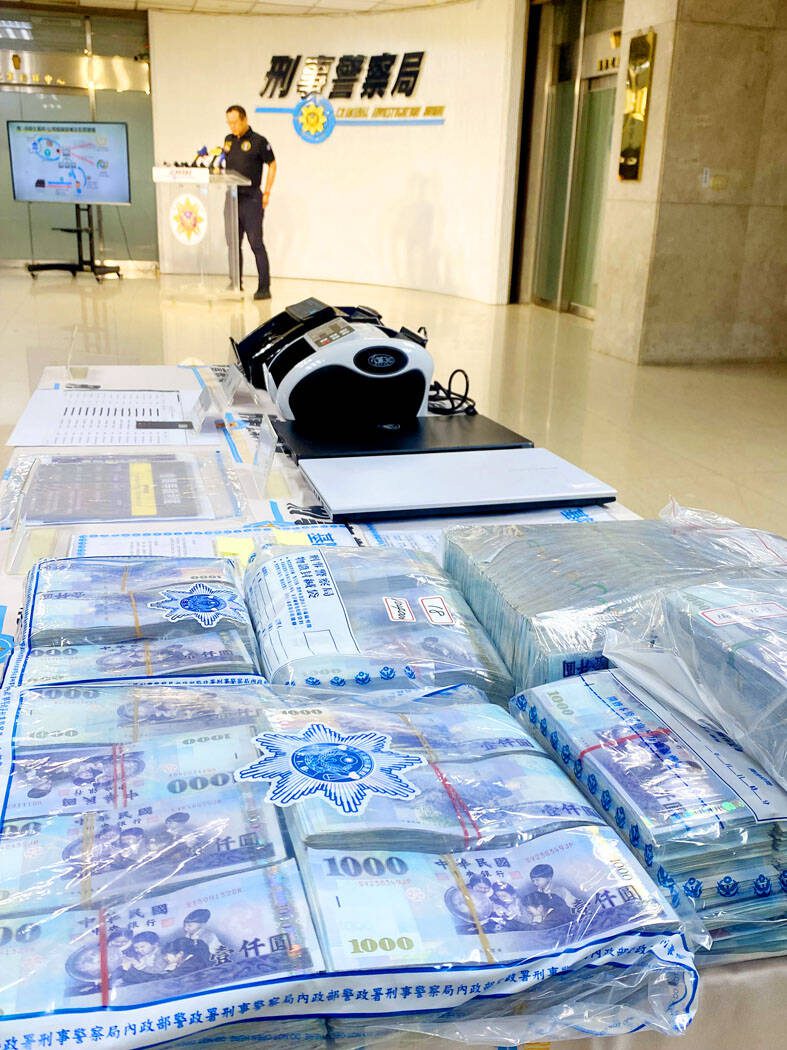
Behind that façade, according to the indictment, fraud syndicates directed victims to walk into BitShine outlets with cash, buy Tether, and transfer it into designated wallets, with the syndicate even coaching victims on what to tell staff if their identity was questioned during compliance checks. Investigators allege Shih has ties to the Heavenly Way Alliance, a criminal organisation, and that some franchise operators were linked to the Bamboo Union gang. Police raids across 45 stores and seven residences in April 2025 recovered roughly 647,000 USDT, small amounts of bitcoin and TRX, over NT$60 million in cash, and two luxury cars, a Ferrari and a Maserati SUV, which were among the seized assets.
A record sentence built on a smaller, harder-won case than first alleged
The size of the sentence is partly a function of how hard prosecutors had to work to secure it. When Shih and 13 others were indicted in August 2025, prosecutors alleged the scheme had defrauded more than 1,539 victims of roughly NT$1.275 billion, with total laundered funds estimated at above NT$2.3 billion (roughly $39 million).

Proving that in court took the better part of a year. Between January and April 2026, the Shilin court heard from 513 witnesses, an unusually large evidentiary load even by Taiwan’s standards for organised fraud cases. When judges finally ruled, they convicted Shih on 485 of the alleged counts, representing proven losses of NT$364.5 million, a considerably smaller sum than the original indictment claimed. Claims tied to the remaining 1,059 alleged victims were dismissed or resulted in acquittal, with the court citing single, uncorroborated victim testimony, an inability to prove victims had been directed to BitShine by the fraud syndicate rather than finding it independently, and insufficient evidence of actual financial loss in some cases. Thirteen additional counts were dismissed on procedural grounds.
That distinction matters for how the record sentence should be read. The 22 years reflect the 485 counts judges could stand behind with evidence, combined under Taiwan’s sentencing principle of proportionality across concurrent offences, not the full sum originally alleged by prosecutors.
Shih’s separate conviction for operating an unregistered virtual asset service carried an additional one year and four months, folded into the overall term. Even so, a sentence built on a fraction of the original claim still amounts to the toughest crypto fraud punishment Taiwan has issued, which says more about the severity with which the court treated the proven conduct than about the case shrinking in significance. The verdict can still be appealed, so the final word isn’t in yet.
