



On Thursday, May 22, 2025, the world rolled out the drums to celebrate the 15th anniversary of World Bitcoin Pizza Day, marking the historic moment when Laszlo Hanyecz bought two Papa John’s pizzas for 10,000 BTC in Florida on May 22, 2010. Bitcoin’s meteoric rise to over $111,000 underscores its transformative potential.
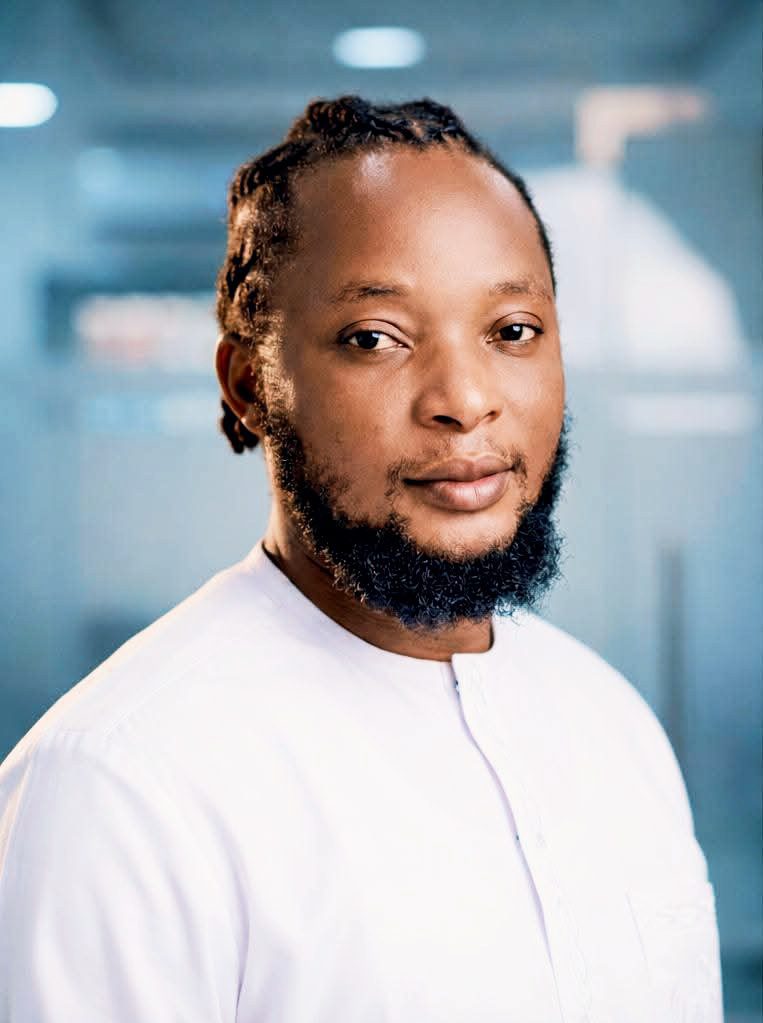
In Nigeria, Africa’s largest economy and a global leader in cryptocurrency adoption, this milestone resonates deeply. Heritage Falodun, a prominent Nigerian Bitcoiner, CEO of DigiOats, and a leading voice in the African Bitcoin community, in this exclusive interview with Technext shares his journey, insights, and vision for Bitcoin’s role in Nigeria’s economic future.
His story, rooted in resilience and innovation, reflects how BTC is reshaping financial landscapes in a country grappling with inflation, naira volatility, and financial exclusion.
Heritage Falodun, a computer scientist and product developer, first encountered Bitcoin in 2019. But his deep dive began in late 2020 through the Black Bitcoin Billionaires Remote Program on Clubhouse, led by Lamar Wilson.
“I was scammed in shitcoins and crypto exchanges early on,” Falodun admits. “As a tech guy, that made me more curious.”
This experience drove him to devour resources like Bitcoin Improvement Proposals (BIPs) on GitHub and Andreas Antonopoulos’s Mastering Bitcoin. Weekly technical sessions with Black Bitcoin Billionaires, led by figures like Ryan D. Lawrence and Josh, and philosophical discussions on platforms like Café Bitcoin and SwanBitcoin, shaped his understanding.
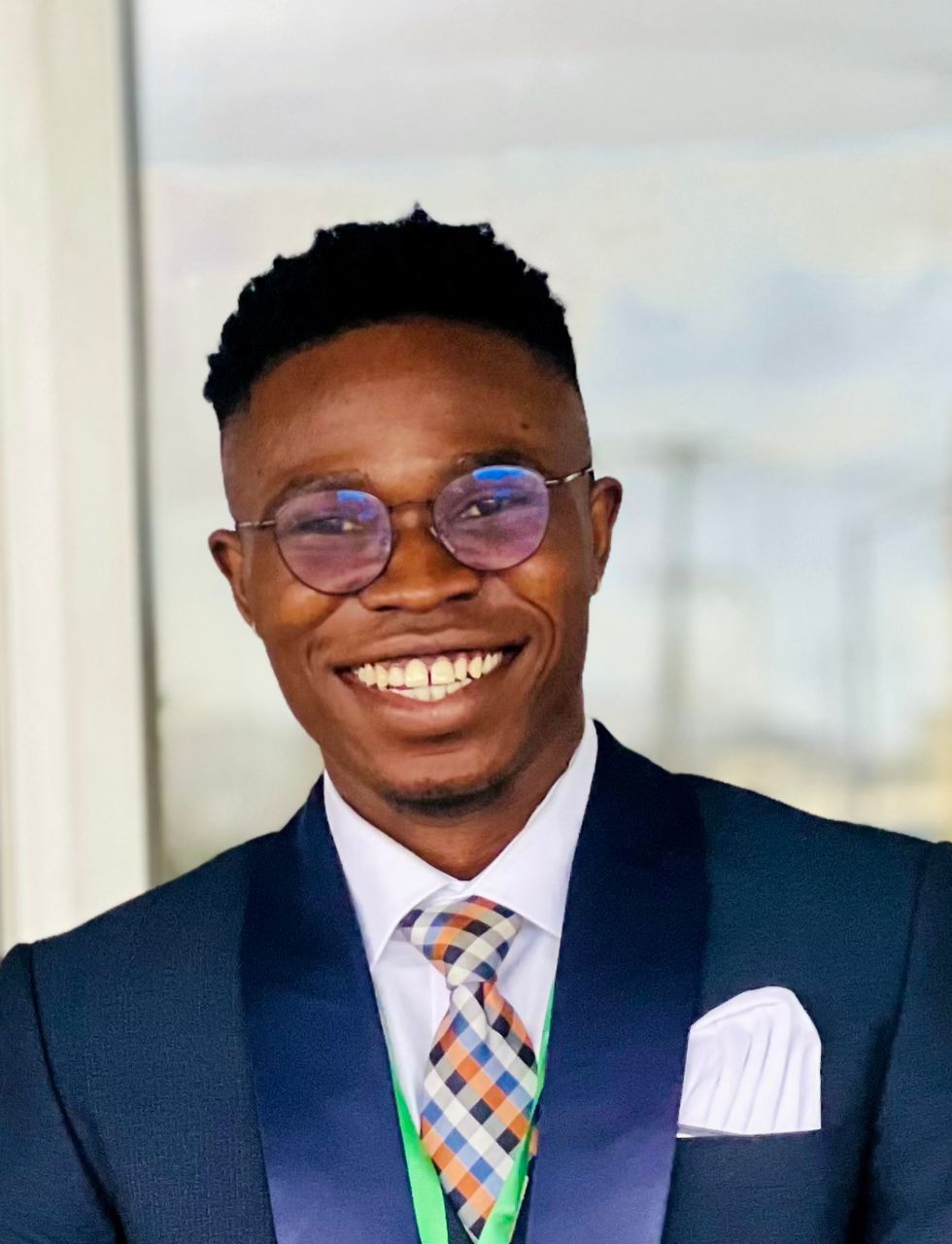
“I was completely immersed, listening to Bitcoin content like people used to listen to the radio,” he recalls.
Falodun’s initial reaction to Bitcoin was a mix of intrigue and caution. Nigeria’s centralised financial system, marked by capital controls and economic instability, made BTC’s decentralised, permissionless nature both revolutionary and risky.
“I cried and became addicted to the technology, just like I was with C++ in 2015 or Dart/Flutter in 2018,” he says.
Bitcoin’s fixed supply offered a hedge against Nigeria’s rampant inflation, while its borderless transactions promised access to global markets.
“It wasn’t just a speculative asset; it was a tool for economic sovereignty,” Falodun explains, a conviction that now drives his work as a Bitcoin educator, consultant, and host of the Bitcoin-In-Nigeria Media program.
Nigeria’s economic challenges and Bitcoin’s appeal
Nigeria’s economic landscape made Bitcoin a compelling solution for Heritage Falodun. The 2021 CBN ban on banks processing crypto transactions, for instance, inadvertently fuelled peer-to-peer (P2P) trading, positioning Nigeria as a global leader in BTC adoption, second only to China and the U.S. in transaction volume. “That ban showed Bitcoin’s censorship-resistant nature wasn’t just a buzzword; it was a lifeline,” Falodun says.
Financial exclusion, affecting one in three Nigerians, further underscores Bitcoin’s relevance. Tools like the Lightning Network and Machankura, which enable Bitcoin transactions on feature phones, allowed Falodun to pay for goods across Africa, from banku in Ghana to lemon juice in Abuja, without relying on local banking infrastructure.
“I paid a woman selling beads in Tanzania with Bitcoin, and she didn’t even know it was Bitcoin,” he shares. These experiences highlighted Bitcoin’s potential as a social and economic revolution, particularly for Nigeria’s unbanked and underbanked populations.
Falodun’s first Bitcoin transaction in mid-2019, facilitated through a South African exchange, was a revelation. Unable to receive PayPal payments in Nigeria, he used Bitcoin to receive funds for a project. “It was exciting, getting paid directly without a bank that didn’t work for me,” he recalls.
The transaction’s speed and autonomy underscored Bitcoin’s practical utility in a country where global financial access is often limited. This moment solidified his belief in Bitcoin as more than a speculative asset; it was a functional alternative to broken systems.
Heritage Falodun’s early Bitcoin journey was fraught with challenges. Accessing reliable exchanges was difficult, with local platforms often untrustworthy and foreign ones charging high fees. “I had to navigate scams and poor user experiences,” he says.
Securing wallets was another hurdle; distinguishing between custodial and non-custodial options required extensive research. Internet connectivity issues, especially when syncing the Bitcoin Core blockchain or running a node, compounded the frustration. “Power outages or unstable networks would disconnect me mid-process,” the Bitcoin evangelist notes.
These challenges inspired his work with DigiOats and Trezor Academy to bring Bitcoin self-custody and security education to Nigerians.
Bitcoin in Nigeria: A growing ecosystem
Nigeria’s Bitcoin community has evolved from nascent to vibrant, with meetups, workshops, and developer cohorts now active in 28 of 36 states. Initiatives like DigiOats’ quarterly Bitcoin education programmes, BitDevs Meetups funded by Btrust, and Trezor Academy’s security workshops are fostering a robust ecosystem.
“We have gone from toddler years to a teenage phase, confident and proactive,” Falodun says.
Key figures like Bernard Parah of Bitnob and Abubakar Nur Khalil have been instrumental in building genuine communities amidst the noise of crypto hype. Online platforms, funded by Bitcoiners’ goodwill and partnerships like Mi Primer Bitcoin, provide pathways for beginners and specialists alike.
With Nigeria receiving $19.5 billion in diaspora remittances in 2023, 35% of Sub-Saharan Africa’s total, Bitcoin offers a cost-effective alternative to traditional channels, which charge up to 7.9% per $200 sent. Bitcoin transactions, often settling in minutes with fees as low as 1%, have facilitated billions in remittances, saving users significant costs.
“Binance alone enabled $26 billion in crypto remittances to Nigeria over two years,” Falodun notes, highlighting Bitcoin’s potential to streamline Nigeria’s remittance culture.
Bitcoin Pizza Day: A symbol of evolution
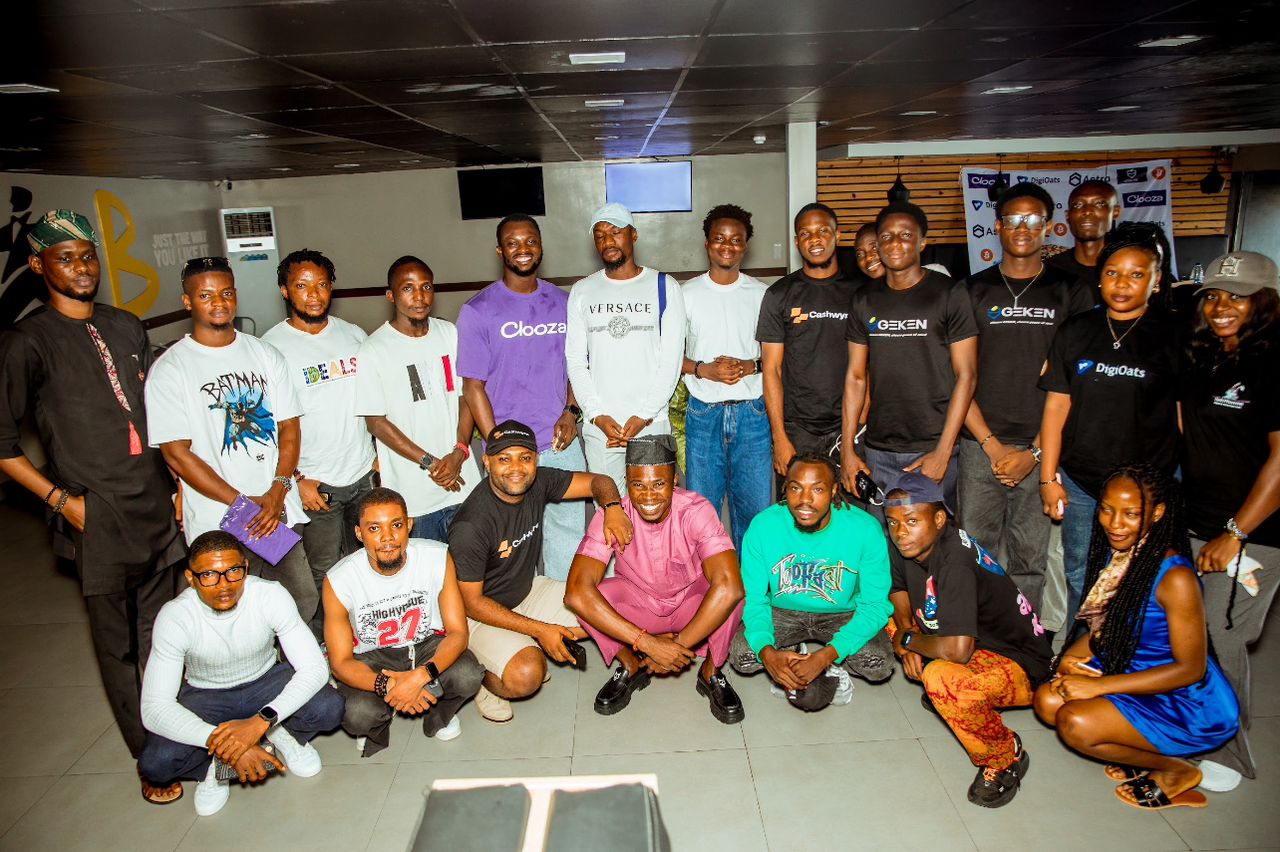
For Heritage Falodun, whose company, DigiOats, hosted Bitcoiners to a fun-filled Pizza Day on the theme ‘The Appreciative Feature of Bitcoin’ at the heart of Ikoyi, Lagos, the day is more than a nostalgic milestone; it symbolises Bitcoin’s journey as a medium of exchange and a store of value.
“It shows Bitcoin’s appreciating features and its ability to change financial dynamics,” he says.
In Nigeria, where P2P trading thrives, Bitcoin’s transactional utility is paramount. Falodun has used Bitcoin for everyday purchases, from lemon juice in Gwarinpa to refreshments at Super Mario lounge in Calabar. “The Lightning Network makes it faster than Opay,” he says, comparing it to Nigeria’s popular mobile payment platform.
However, he notes that Nigerians prioritise Bitcoin for transactions over holding it as a store of value. “You have to survive first before thriving,” he explains, contrasting Nigeria’s urgent need for payment solutions with wealth accumulation goals in the West.
The biggest barrier to Bitcoin adoption in Nigeria, according to Falodun, is misinformation.
“Ponzi schemes and fraudulent influencers have burnt many, making them sceptical of anything Bitcoin-tagged,” he says.
The collapse of schemes like MMM in 2016 left Nigerians cautious, yet it fuelled crypto interest as an alternative to a failing naira. Heritage Falodun emphasises that “Bitcoin education isn’t optional; it’s foundational.” His work with DigiOats and Trezor Academy aims to counter misinformation by teaching newcomers to spot scams and understand Bitcoin’s unique value.
Bitcoin’s impact on Falodun’s life
Bitcoin has transformed Heritage Falodun’s life, both financially and philosophically. Growing up in a middle-class Nigerian family, his entrepreneurial spirit, evident in selling surplus bananas as a child, found a natural home in Bitcoin’s decentralised ethos.
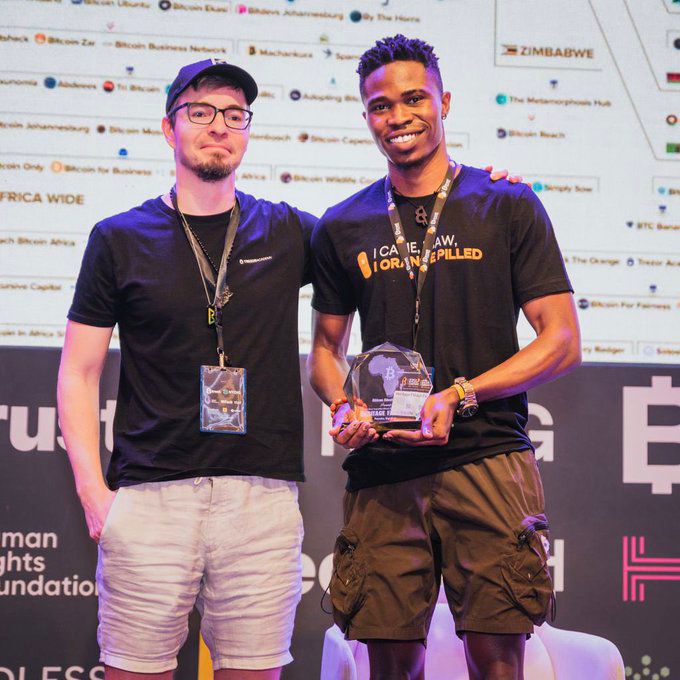
“It embodied everything I valued as a computer science graduate and entrepreneur,” he says. Financially, Bitcoin offered an alternative when traditional systems failed. Philosophically, it reshaped his view of money and sovereignty. Two moments stand out: earning his family’s trust for financial advice and being named the 3rd Most Impactful Bitcoiner in Africa at the Africa Bitcoin Conference, alongside mentors like Lamar Wilson and Jack Dorsey. “These confirmed I’m not just participating but shaping a movement,” he says.

Falodun’s advice to Nigerians embarking on their Bitcoin journey in 2025 is clear: “What is worth your money is worth your time.” He urges newcomers to study Bitcoin thoroughly, relying on trusted sources like Mastering Bitcoin or community programmes rather than influencers.
“Learn early and intentionally, or you’ll be forced to understand it the hard way,” he warns. With Nigeria’s recent regulatory shifts, including the Investment and Securities Act (ISA) 2025, recognising Bitcoin as a security, the path to adoption is clearer but requires education to navigate compliance and scams.
As Bitcoin surges past $111,000, Heritage Falodun sees it as a cornerstone of Nigeria’s financial future. Its potential to reduce remittance costs, empower the unbanked, and hedge against inflation aligns with Nigeria’s needs. His work with DigiOats, Trezor Academy, and the Bitcoin-In-Nigeria Media programme is building a foundation for sustainable adoption.
“Bitcoin is not just a currency; it is a response to the failures of traditional systems,” he says.
Heritage Falodun’s journey from a curious tech enthusiast to a leading African Bitcoiner mirrors Bitcoin’s evolution in Nigeria: a story of resilience, innovation, and hope for a more inclusive financial ecosystem.
