




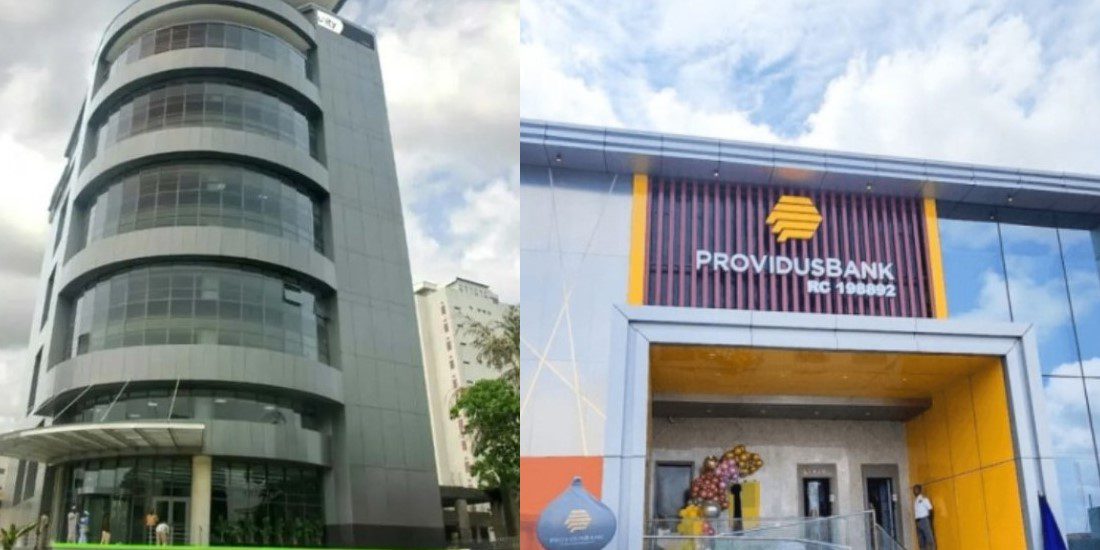
The Supreme Court of Nigeria has sanctioned the merger of Unity Bank and Providus Bank, ending the legal battle that had been holding up one of the most significant banking consolidations the country has seen in recent years.
The Supreme Court has granted the final sanction, removing the last obstacle to the merger of the two lenders. This follows approvals from both banks’ shareholders in September 2025, the Central Bank of Nigeria, and the Securities and Exchange Commission.
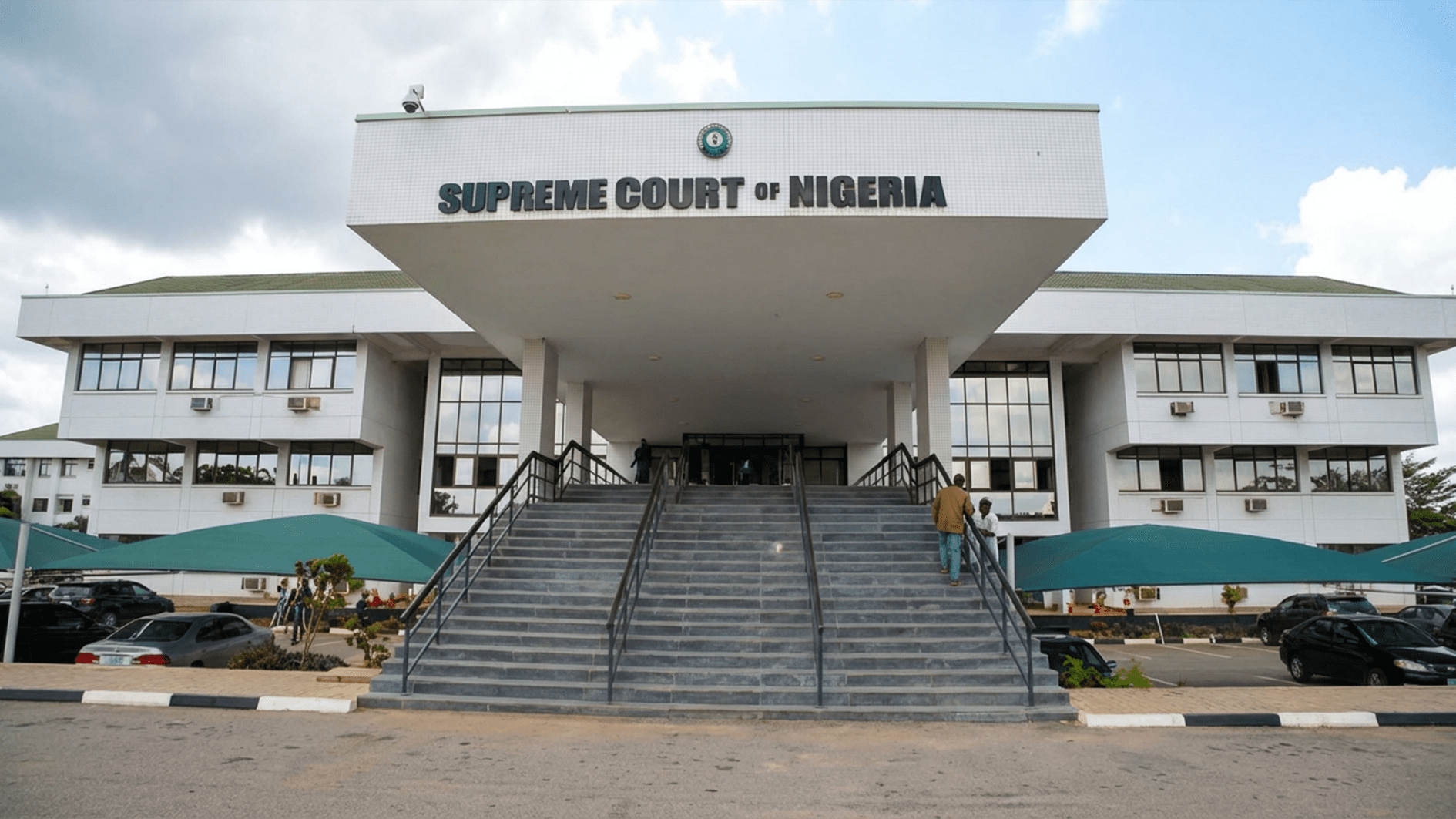
The combined capital base of the two banks is expected to exceed N200 billion, which meets the minimum threshold required to retain a national banking licence under the CBN’s recapitalisation framework.
That framework, which set April 2026 as the deadline for Nigerian banks to shore up their capital bases, made the Unity-Providus merger particularly strategic for both institutions individually, neither of which could easily meet the requirement on its own.
Unity and Providus: A stalled deal to a done deal
The road to this point was not smooth. Reports circulated at various stages suggested the merger had stalled or collapsed entirely, prompting Unity Bank’s management to issue a clarification as recently as February 2026 to counter what it described as false and misleading information.
At the time, the bank confirmed that integration activities were already underway and that the final court sanction was the only remaining step.

Ebenezer Kolawole, Managing Director and Chief Executive Officer of Unity Bank, had described the merger as a pivotal moment for both institutions. “The merger with Providus Bank significantly enhances our capital base, operational capacity, and strategic positioning,” he said. “We are confident that the combined institution will be better equipped to support economic growth and deliver innovative financial solutions across Nigeria.”
Similar read: Unity Bank says merger with Providus Bank a done deal, now at integration stage
With the Supreme Court’s approval now in place, integration between the two lenders can proceed to its conclusion.
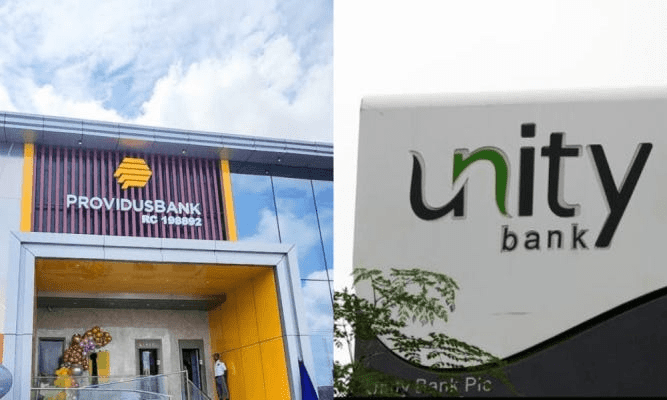
The merged entity is expected to emerge as a more competitive, better-capitalised bank with a broader customer base and stronger footing in a sector that has been under significant pressure to consolidate and recapitalise ahead of regulatory deadlines.
Further details on the terms of the ruling and the timeline for completing the integration are expected to be disclosed by the banks in the coming days.
