


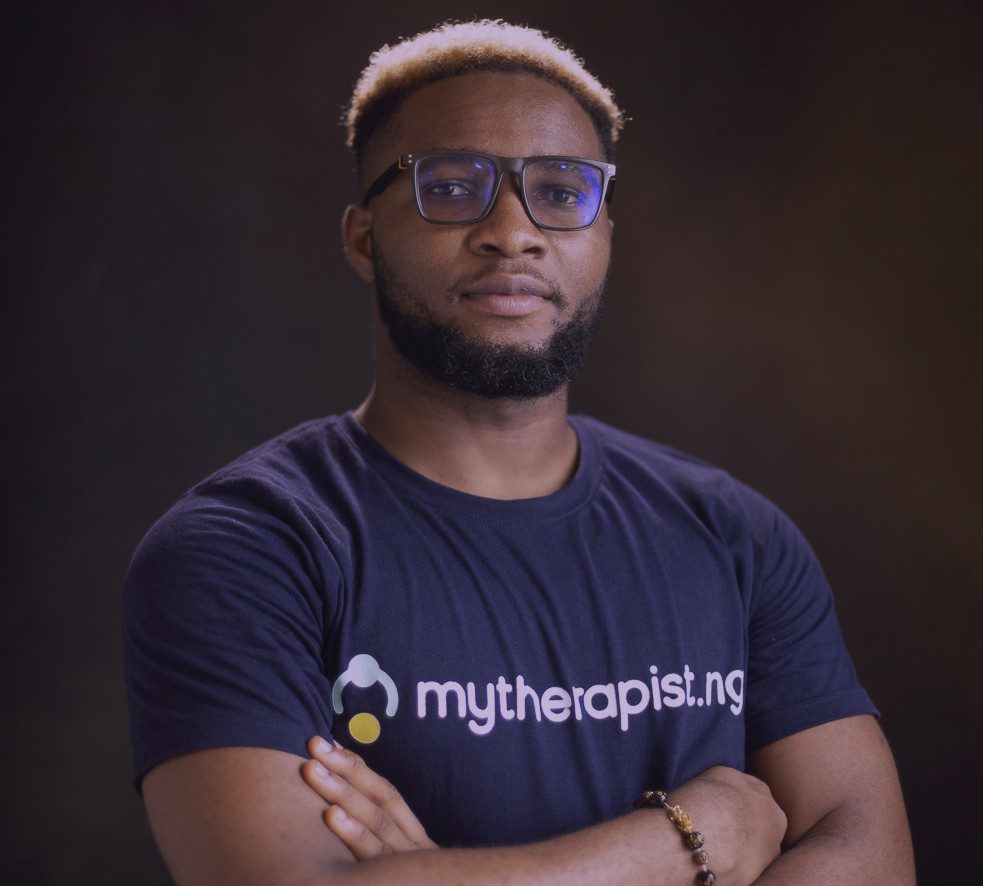
MyTherapist.ng, a Nigerian therapy platform that uses AI to help people find and prepare for therapy, says it will never present AI as a substitute for a qualified professional. “We use AI to help people navigate the platform,” co-founder Oluwaseun Raphael Afolayan said.
“For example, our Tio matching feature lets someone describe their concern and budget, then suggests therapists and explains the matches.” Tio can help a client organise what they want to discuss in a session. “The person should remain in control of their words and what they choose to share,” he said.
In an interview with Technext, Afolayan explained the limits of the company’s use of AI, particularly in making clinical decisions. Where AI stops matters because more Nigerians are turning to chatbots for emotional support.
Many people cannot access or afford qualified therapists, and AI is filling the gap in the country’s mental healthcare system, amid calls for tighter regulation. Experts have warned that AI cannot replace professional care and have raised concerns about data privacy.
For Afolayan, the line is firm. “The boundary we draw is around clinical responsibility. We would never position an AI response as a substitute for a qualified professional’s assessment, or let AI independently make high-stakes clinical decisions.”
He also said the company will not oversell what the technology can do, even under pressure. “We would also never describe an AI conversation as equivalent to therapy with a human professional, despite what we’ve gotten as feedback from potential investors. Someone being distressed does not make it acceptable to exaggerate what the technology can do.”
Afolayan, who has been thinking about closing the gap between understanding that you need support and actually sitting across from a therapist since 2022, also spoke about the platform’s move beyond screens.
MyTherapist.ng moves from screens to private rooms
On October 1, 2026, MyTherapist.ng partnered with Café One, Nigeria’s largest network of co-working spaces, to launch in-person therapy sessions in dedicated private rooms at approved locations across the country.
The new feature allows clients to find a therapist on MyTherapist.ng, choose an in-person appointment, select a location and time, pay securely, and meet their therapist in a private room. Every session takes place in a dedicated private room, not in an open café or co-working space. Clients receive relevant venue, room and check-in details ahead of each session.
Until now, MyTherapist.ng has operated entirely through video, voice and chat. The Café One partnership is the first step in the company’s wider plan to build a network of carefully selected venue partners that can provide professional, confidential spaces without the cost of building standalone clinics.
“We do not believe the future of therapy is online-only,” Afolayan said. “Some people value the convenience of virtual sessions, while others feel more comfortable sitting physically with a therapist. We want MyTherapist.ng to be the place where people find the right therapist, then choose how they want to see them.”
“This model gives people another way to access support while preserving the privacy and quality that therapy requires,” he added. “It also gives therapists the opportunity to offer in-person care without taking on the cost and burden of managing their own practice space.” MyTherapist.ng will begin with controlled availability, assessing demand across locations, appointment times and therapist specialisms before expanding to other approved venues.
Awareness is not access
The launch is one part of a larger problem Afolayan has been trying to solve since the beginning. Mental health awareness has grown steadily in Nigeria over the past decade; campaigns have multiplied, and conversations have opened up.
More Nigerians than ever know therapy exists and might help them. But knowing is not the same as getting, and for most people, the gap between understanding that you need support and actually sitting across from a therapist remains wide. He told Technext that the mental health space in Nigeria often confuses publicity with progress.
“I think we sometimes mistake awareness for access,” he said. “Someone can understand that they need therapy and still struggle to find a professional they trust, afford the sessions or get enough privacy to attend. Another awareness campaign will not necessarily solve those problems.”
For him, the harder question is what happens after someone books their first session. “If someone books once but cannot afford to return, we should ask what prevented them from continuing. These things may attract less attention than a new feature, but they determine whether someone actually receives care,” he said.
Student sessions on MyTherapist.ng start from ₦3,000, with therapists setting their own rates across different session types to keep pricing democratic across the platform. Balancing affordability with fair compensation for professionals is an ongoing tension. Therapists contribute time and expertise.
The platform also has to maintain its technology, support the booking process and invest in marketing to grow awareness. Access through employers and HMOs is also being developed, so that the individual does not always bear the full cost. “A low advertised price is useful, but we need to understand what happens after the first session,” Afolayan said.
For Nigerians who want to start therapy but feel afraid or ashamed, Afolayan’s position is simple. “You do not need to have everything figured out before asking for support. You do not need a perfect explanation of what you are feeling,” he said. “You can just begin by asking questions. What are the therapist’s qualifications? How does confidentiality work? What will the session cost? What should you expect?”
“You can also say: I’m nervous about being here and I don’t know where to start. That is a valid starting point. Seeking support does not mean you have failed. It means you are giving yourself an opportunity to understand what you are experiencing and get help with it. You deserve to be treated with respect throughout that process.”
Surviving setbacks
Building a mental health platform in Nigeria has not been straightforward. In January 2023, the app was removed from Google Play shortly after paid bookings launched. It took a month to be reinstated. Eight months later, the company ran low on finances and had to hibernate for two months, putting staff on half salary.
“These were people who had agreed to build this with us, and now we couldn’t afford to keep things going as they were,” Afolayan said. “Explaining that to the team was difficult. But it turned out they were a source of support too. I even had some team members reach out to say they were okay with not being paid at all until we could get back on our feet. We still paid half salary for the two months when we paused. I vowed never to let things get that bad, and it’s a promise we’ve been able to keep so far.”
Slowing down gave the company time to recover. But the experience changed how Afolayan thinks about every hire and every expense. MyTherapist.ng is available on the web and mobile. In-person sessions through Café One are now live, with wider location availability expected as demand grows.
Read also: Exclusive: “Web3Bridge is not dead,” Ayodeji Awosika reveals massive pivot to Founder Residency
