


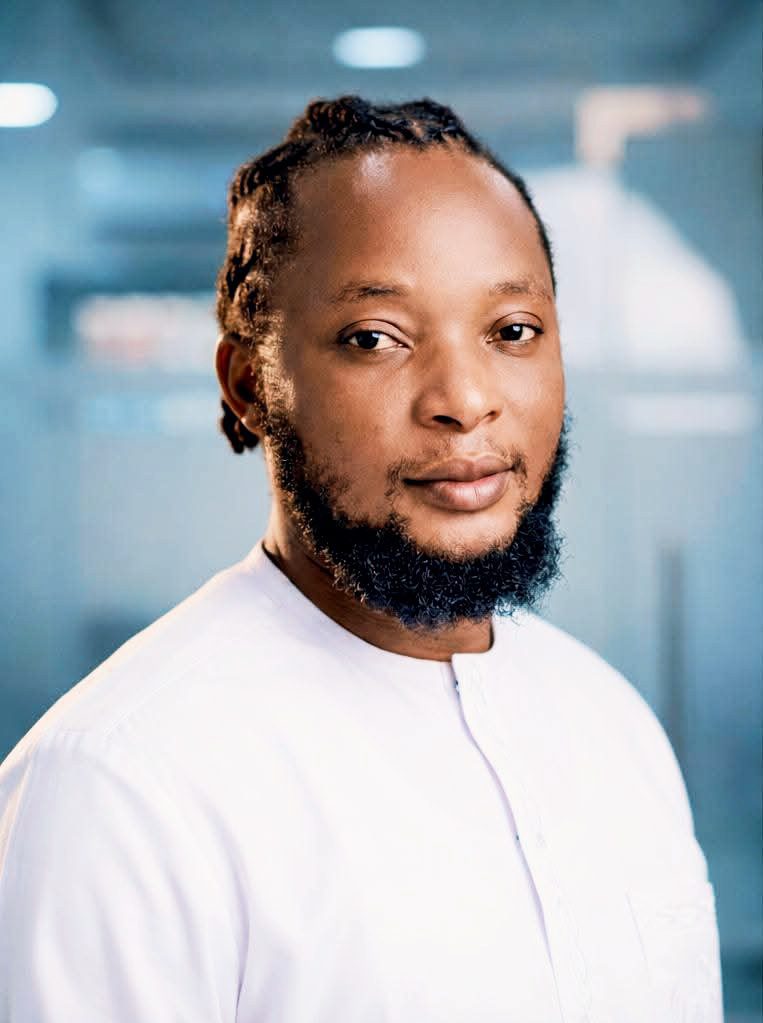

A man most of the world had never heard of eighteen months ago is now richer than the founders of OpenAI and Anthropic combined. Liang Wenfeng, the 41-year-old former hedge fund quant who built DeepSeek out of a Hangzhou research unit, saw his fortune more than double overnight, and he did it without taking a single dollar from Silicon Valley.
According to the Bloomberg Billionaires Index, Liang’s net worth jumped to $36 billion, up from roughly $16.7 billion, after DeepSeek closed a $7.4 billion fundraising round in June that valued the company at around $50 billion. That single deal pushed him past Anthropic’s Dario Amodei and OpenAI’s Greg Brockman, making him, for now, the wealthiest individual whose fortune rests on building an AI model rather than the chips, cash or cloud infrastructure that AI runs on.

The irony writes itself. For most of DeepSeek’s existence, Liang refused outside investors entirely, funding the company through profits from High-Flyer, the quantitative trading firm he co-founded in 2016. When he finally opened the door to external capital this year, he still kept the terms firmly in his own favour: investors received a five-year lock-up and zero voting rights. At the same time, Liang personally invested roughly $3 billion in the round, according to reports on the deal. His stake, diluted from an earlier 84%, still sits at about 78%.
How much of Liang Wenfeng’s and other founders’ fortune actually comes from AI
Net worth headlines flatten a more interesting question: how much of each man’s billions is actually AI money, as opposed to other ventures, early investments, or public-market stock picked up along the way? The answer varies more than the headlines suggest.
Liang Wenfeng, DeepSeek, roughly all of his tracked $36 billion. Bloomberg’s calculation deliberately excludes his stake in High-Flyer, the hedge fund that originally bankrolled DeepSeek, to avoid double-counting. What’s left is almost entirely his DeepSeek equity. High-Flyer itself manages around $10 billion in assets, but that fortune sits outside the AI figure altogether.
Greg Brockman, OpenAI, nearly all of an estimated $30bn. OpenAI doesn’t publish individual ownership stakes, but Brockman told a court during OpenAI’s legal dispute with Elon Musk that his own slice of the company was worth close to that figure. Virtually none of it predates OpenAI.
Dario Amodei, Anthropic, almost entirely from his roughly 1.6 to 1.8% Anthropic stake. Forbes pegged Amodei at $7 billion in February, when Anthropic was valued at $380 billion. After the company’s $65 billion Series H round in May pushed its valuation to $965 billion, that figure reportedly climbed to around $15.5 billion. His six co-founders, including his sister Daniela Amodei, Jack Clark, Jared Kaplan, Sam McCandlish, Tom Brown and Christopher Olah, are each estimated to be worth roughly the same, since Forbes puts each of their stakes at just over 1.6%. None of them held meaningful outside wealth before the company existed.
Ilya Sutskever, Safe Superintelligence (formerly OpenAI), around $7bn, all derived from OpenAI. Sutskever testified that his residual OpenAI stake was worth roughly that amount, separate from whatever equity he now holds in his newer venture.
Chen Tianshi, Cambricon, estimated $40 billion from one chip stock. Chen isn’t a model-builder in the DeepSeek or OpenAI sense; his fortune comes from his stake in Cambricon, the Shanghai-listed chip designer, which is why some rankings exclude him from the AI model founder category even as his overall AI-linked wealth outstrips everyone on this list.
Brett Adcock, Figure AI, an estimated $19 billion, almost entirely from a company four years old. Adcock has become the fastest-rising fortune in the humanoid robotics race, with Figure AI’s valuation carrying nearly the whole of his reported net worth.
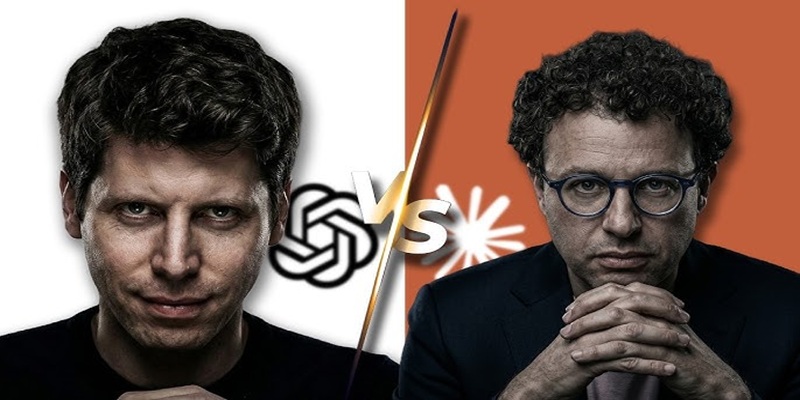
Sam Altman, OpenAI, the outlier. An estimated $2 billion to $3.5 billion, and none of it from OpenAI equity. Altman has repeatedly said he holds no direct financial stake in the company he runs. His money comes from early personal investments in Reddit, Airbnb, Uber and a handful of other bets made long before ChatGPT existed, a structural choice that leaves him worth a fraction of his own executives and co-founders.
Note: these figures come from Bloomberg, Forbes, and court testimony gathered at different points across 2026, and private company valuations move fast. Anthropic’s own number nearly doubled within four months this year. Treat all of the above as a snapshot rather than a fixed ranking, and expect it to shift again with the next funding round.
