




A weeks-long investigation by Premium Times has revealed significant financial misappropriation, black market diversions, and conflicts of interest threatening Nigeria’s Presidential Initiative on Compressed Natural Gas (PICNG). The flagship program was launched by President Bola Tinubu to alleviate transportation costs following the removal of the petrol subsidy.
The initiative, designed to promote cleaner and more affordable energy through Compressed Natural Gas (CNG) adoption, has been undermined by insider profiteering, policy inconsistencies, and the diversion of critical resources to the black market, according to the report.
The PICNG was introduced to address the economic fallout from the petrol subsidy removal in 2023, which spiked transportation costs across Nigeria. The initiative promised to distribute one million free CNG conversion kits for commercial vehicles, starting with a first phase of 10,000 kits targeting transport unions such as the National Union of Road Transport Workers (NURTW), Moove, Uber, and the Kaduna State Transport Authority (KSTA).
Michael Oluwagbemi, Project Director and CEO of PICNG, announced last year that the federal government had already invested over N45 billion in the Commercial Vehicle Conversion Incentive Programme (CV-CIP) to facilitate this transition.

However, Premium Times uncovered that the program’s noble intentions are being derailed by systemic issues. The investigation, which combined on-the-ground reporting, open-source data analysis, and exclusive interviews with industry insiders, exposed how CNG conversion kits, intended to be distributed for free, are being sold on the black market at significantly reduced prices.
For instance, one Sam Ogidi, who claimed to have a “government connection,” offered to sell kits valued at over N1 million for just N350,000 on a WhatsApp group dedicated to CNG kit trading.
Conflicts of interest and insider profiteering threatening Tinubu’s PICNG initiative
A particularly damning revelation is the involvement of a top PCNGI official who holds a major stake in Hi-Grade Energies Ltd., a CNG conversion company registered just 10 days after the initiative’s launch. This conflict of interest raises questions about the integrity of the program’s leadership and its commitment to transparency.
“We hope that law enforcement agencies like the Economic and Financial Crimes Commission (EFCC) will investigate this further and save the well-intentioned initiative by the President,” an industry insider told Premium Times.
C & L Smart Energy Solutions, which operates Nigeria’s largest CNG conversion centre in Abuja, echoed these concerns in a statement released earlier today.

The company accused previous PCNGI leadership of enabling “insider profiteering, internal sabotage, and policy inconsistencies” that have derailed the program’s goals.
“These findings are not only disturbing, but they also validate what many stakeholders have quietly warned about for months,” the company stated, urging President Tinubu to launch a full-scale investigation into the initiative’s operations.
Black market diversions threaten adoption
The proliferation of black market trade in CNG kits has also strained private businesses in the sector.
Sina Kawonise, a major importer of CNG kits, warned during an Arise Television interview that the unchecked diversion of kits and the rapid expansion of conversion centres could undermine the adoption of CNG in Nigeria.
“The proliferation of conversion centres and the diversion of kits to the black market will strain private CNG businesses and will affect the adoption of CNG,” Kawonise said.
This issue is compounded by inflated costs within the program. While the PCNGI claims that conversion kits cost over N1 million each, their availability on the black market at a fraction of that price suggests either gross mismanagement or deliberate profiteering. The financial implications are significant, as the government’s N45 billion investment has yet to yield the anticipated widespread adoption of CNG among commercial vehicle operators.
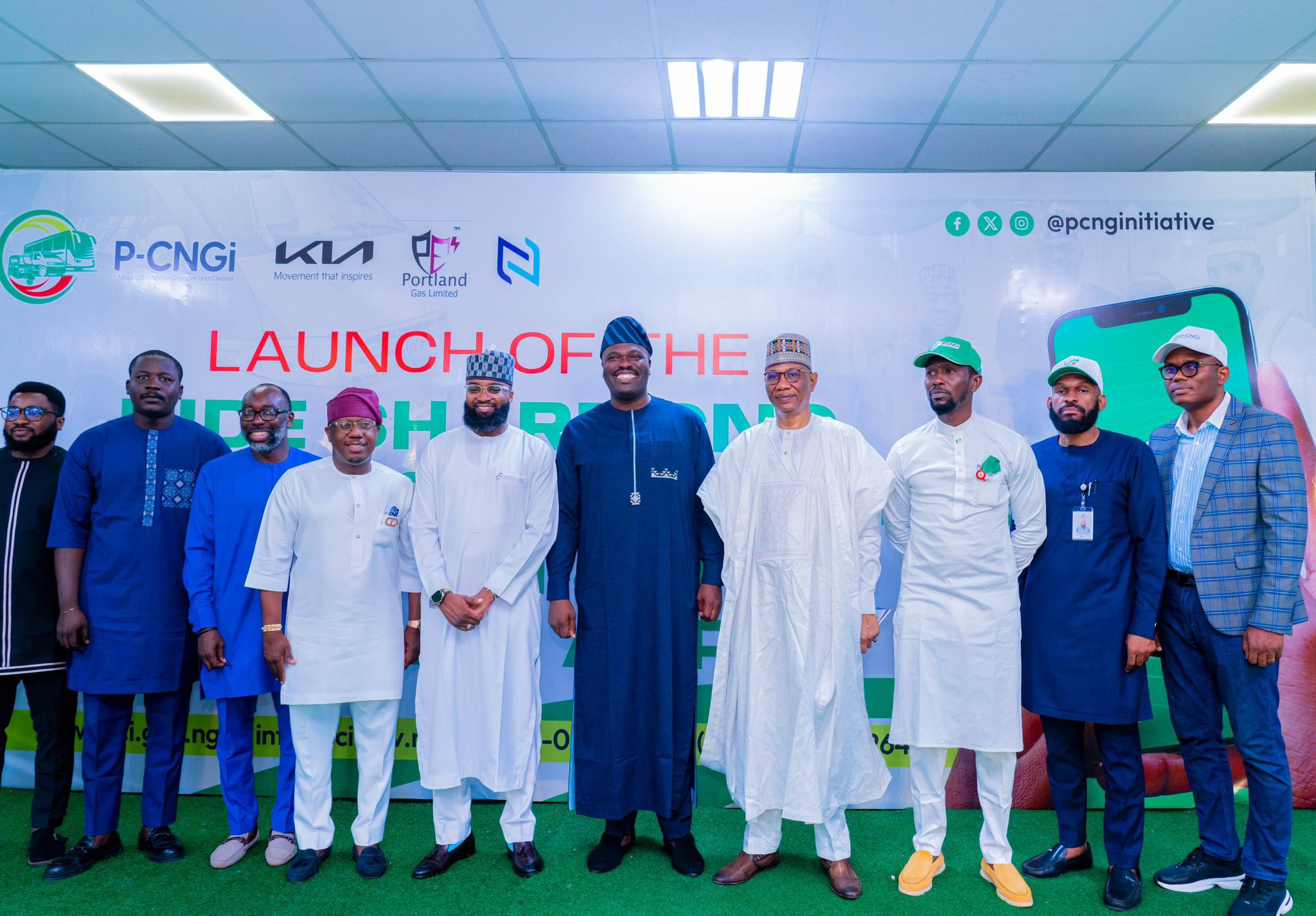
The PICNG’s challenges come at a critical time for Nigeria’s energy sector. The initiative was touted as a cornerstone of the country’s transition to cleaner, more affordable energy, with the potential to reduce reliance on expensive and environmentally harmful fossil fuels. However, the ongoing mismanagement threatens to squander this opportunity.
The revelations have sparked calls for accountability. Stakeholders are urging President Tinubu to act swiftly to address the systemic issues plaguing the initiative. Industry experts suggest that a transparent audit of the program’s finances, leadership, and distribution processes is essential to curb black market diversions and address conflicts of interest.
Additionally, stricter oversight of conversion centres and partnerships with private sector players could help realign the initiative with its original goals.
