





PricewaterhouseCoopers (PwC) projects that annual capital expenditure on data centres will rise globally from nearly $800 billion in 2026 to $1.8 trillion by 2050. The investment is expected to be driven by ongoing chip upgrades and a focus on building AI data centres.
According to a PwC report on Wednesday, AI infrastructure investment is expected to accelerate as chips and other ICT equipment require upgrades every few years. This comes as facilities and cloud computing continue to demand substantial digital infrastructure to power the next frontier of AI growth.
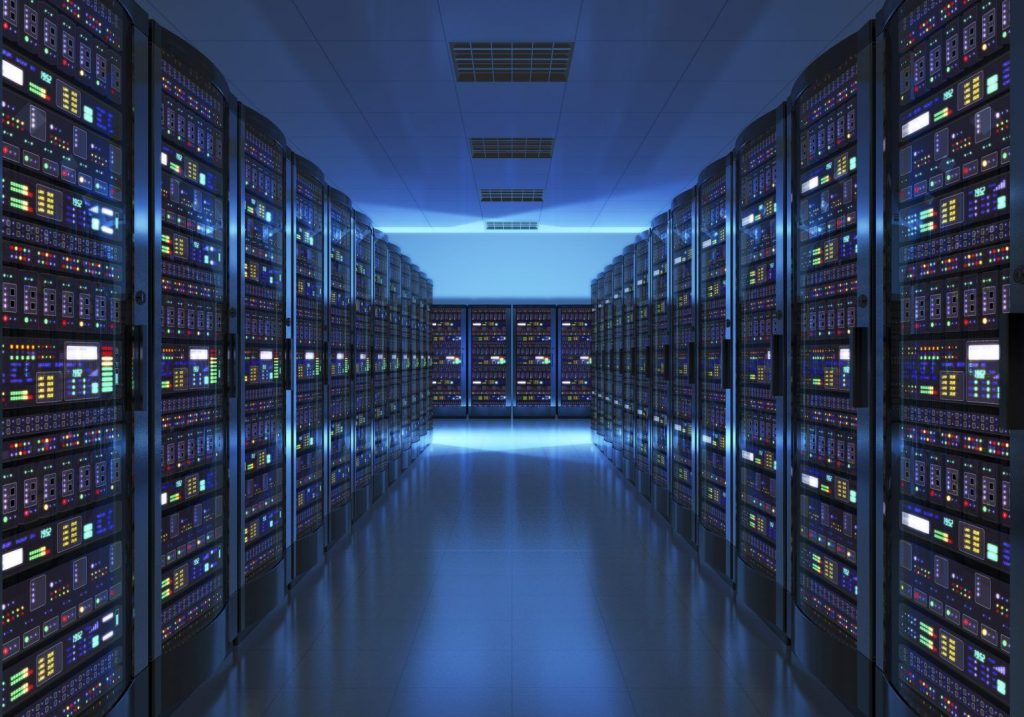
As a result of the trend, ICT equipment will account for an increasing share of global investment, expected to rise from 70% in 2025 to 93% by 2050, according to the report.
While reacting to the outlook, Clara Cutajar, Global Infrastructure Leader, PwC Australia, noted that capital expenditure in AI is becoming a key factor in determining how innovation will advance in the future. She added that this has changed how infrastructure investors need to think about capital requirements, risk and returns.
“AI infrastructure is becoming one of the defining capital allocation challenges of the next generation. It cuts across technology, energy, real estate, supply chains, regulation and financing,” Clara added.
Industry experts have stressed that banking on traditional facilities cannot handle the extreme computing, cooling, and power demands of modern AI needs. There is a need for dedicated data centres that can handle the computing demands of advanced AI systems.
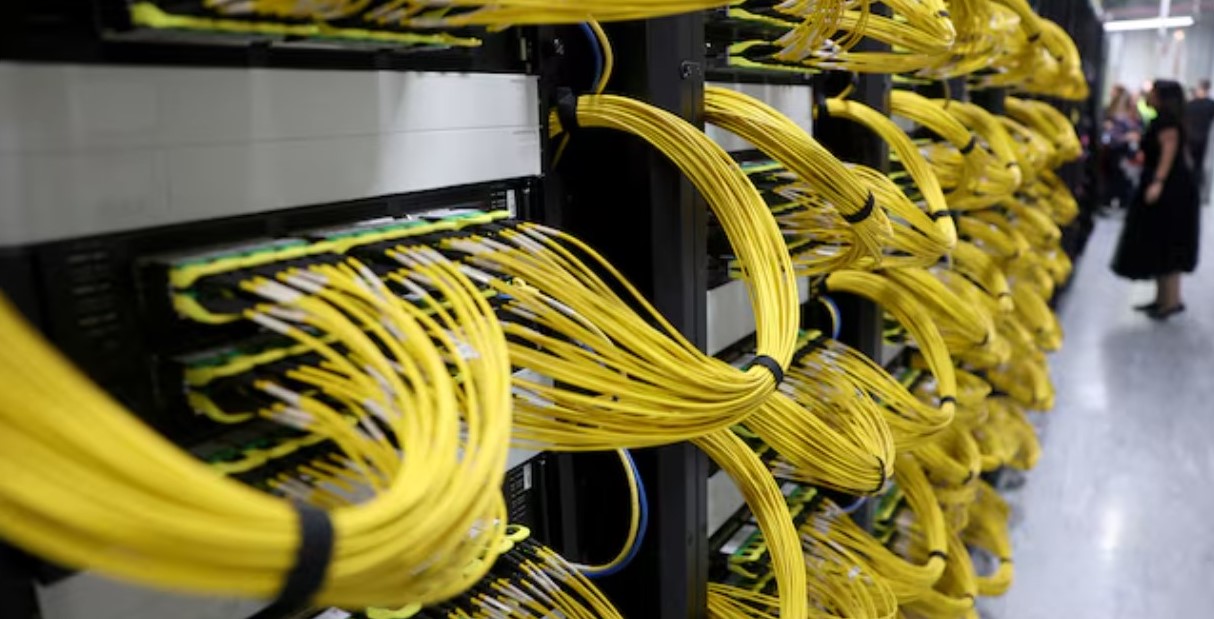
However, building these centres requires vast amounts of chips, copper for high-speed wiring and cables. This explains why PwC identified the frequent upgrade of memory chips as a major driver of this growth.

Activities such as upgrading factories, securing permits, and building dedicated power supplies prepare industries for the infrastructural expansion. However, these take years of planning and heavy capital.
PwC forecasted that $31.6 trillion in capital expenditure through 2050 will be spent to build the compute capacity needed for AI.
Also read: MTN and Dubai-based tycoon Al Ashram to build 150MW AI data centres for Africa’s growth.
Investment in data centres: Power as a catalyst
Among the five factors that will drive the growth and transformation of AI data centres is energy availability, identified as the “Chief” requirement.
PwC noted that affordable, reliable and low-carbon electricity at scale is the hardest requirement for many markets to deliver standard facilities. The level at which power is readily made available will be a decisive factor that shapes where AI infrastructure investment flows.
Other factors are connectivity, security, policy certainty and community consent, along with GPU access, all of which will influence where investment lands.

“The AI buildout is not a rising tide that will naturally lift all boats. Capturing this investment requires active positioning. Investors should recognise data centres as hybrid assets with a complicated risk profile,” Clara said.
The PwC outlook is the first of its kind to offer a long-range capital expenditure forecast through 2050. It covers 46 countries and territories, spanning both data centre buildings and the technology they contain.
