






An auction closes in six hours; a Nigerian car importer has already put down a deposit on a unit in the US, and the balance is due before the gavel timeline runs out. He walks into his bank that morning expecting to convert naira to dollars the way he’s done it before. The teller tells him the allocation isn’t there; maybe it comes tomorrow or next week.
He doesn’t have tomorrow, so he does what thousands of importers across Nigeria do when the formal system stalls: he calls an agent. Someone who knows someone that knows someone.
The rate is worse than posted; the receipt, if one exists at all, might carry someone else’s name. There’s no paper trail if the money doesn’t arrive, no recourse if the deal goes bad, and, increasingly, no guarantee that someone isn’t simply pocketing the deposit and disappearing.
This is the failure mode Sheriff Adedokun built Clea to close. Not the big, abstract $1 trillion African import economy that analysts like to cite, but the very specific moment an importer has a real obligation, a real deadline, and no clean way to move dollars, yuan or pounds to meet it.
“The problem is that the timing of the business does not always match the timing of FX availability,” Adedokun tells Technext.
Clea’s model is straightforward: “Clea intervenes at the point where the importer has a real payment obligation but cannot access FX quickly and reliably. The importer funds their Clea wallet locally in naira; we verify the customer and the beneficiary, convert to the required foreign currency, and settle the supplier directly through compliant rails. Our goal is to ensure the business pays its supplier on time, in its own name, with a proper audit trail.”
Underneath that flow sits stablecoin infrastructure, but Adedokun is emphatic that this is not the product he’s selling.
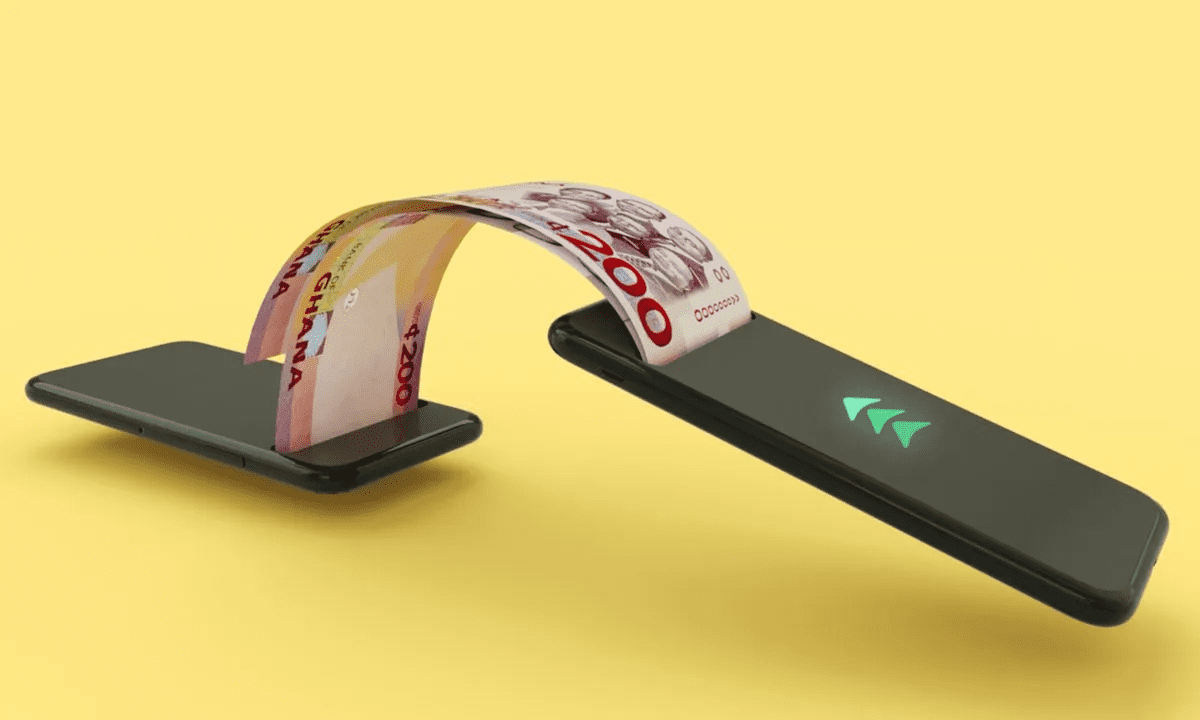
Adedokun frames the opportunity around a trade-finance gap that he puts at over $120 billion across the continent. That figure exceeds what the continent’s own multilateral lender has published. Afreximbank’s most recent Africa Trade Report puts the unmet trade finance demand at roughly $74 billion in 2025, while earlier editions of the same report and IFC-linked diagnostic work have cited figures closer to $81-100 billion.
None of that changes the direction of the problem; Afreximbank’s own report points to the same drivers Adedokun describes, from thin FX liquidity to a shrinking web of correspondent banking relationships that used to make cross-border settlement easier.
What both figures agree on is the shape of the problem. It isn’t purely a liquidity question.
“More liquidity on its own doesn’t solve the problem if businesses still can’t access it when they need it,” Adedokun says. “Equally, better payment infrastructure achieves very little if there’s no liquidity to settle the transaction.” According to him, SMEs already have the commercial fundamentals, customers, suppliers, and purchase orders; it’s the payment leg that snaps.
Clea is selling blockchain outcome, not the technology
Clea’s target customer has never held a token and has no interest in learning what one is, so Adedokun avoids the subject entirely.
“An importer isn’t looking for blockchain; they’re looking for a reliable way to pay a supplier on time,” he says. Businesses judge the platform on whether payments land on time and reconcile cleanly. “The stablecoin infrastructure simply enables that experience; it isn’t the experience itself.”
That discipline extends to compliance, which Adedokun treats as the thing that makes speed possible rather than something speed has to work around. Clea is a registered money-services business, and no naira wallet gets funded before identity and business verification are complete. Beneficiaries need invoices, contracts or auction screenshots tying them to a genuine trade obligation before a payout moves.
“The user cannot just add any random account and push money out,” he says. “Our model is not built around anonymous transfers. It is built around verified trade payments.”
Strip away the pitch and the mechanics are straightforward.
An importer funds their naira wallet from a Nigerian bank account, reviews the exchange rate, and confirms the conversion. The beneficiary must already be approved before any payout moves. Then, Clea converts the value and routes it through its payment infrastructure, with the stablecoin sitting in the middle of that journey rather than at either end of it.
A traditional bank transfer, especially one snagged on delayed FX allocation, can take three to five days. Adedokun says Clea is built for same-day settlement, sometimes within hours once a customer and beneficiary are verified. For an importer facing an auction deadline, that gap is the difference between keeping a supplier slot and losing a deposit.

Adedokun also argues the platform does something less obvious than fast settlement: it gives SMEs a financial paper trail they didn’t have before. Many importers already trade every month, but scattered across different agents and personal accounts, that activity looks like noise rather than a pattern to any outside lender.
Because Clea settles in the customer’s own business name, each payment reinforces the same buyer-supplier relationship instead of resetting it. “We don’t create a credit score,” he says, “but we do help businesses build verifiable evidence of genuine trade activity,” something lenders, insurers and trade finance providers can actually use.
Clea’s current markets and expansion plans
Clea currently connects Nigerian importers to suppliers in the US, China and the UAE, and Adedokun says expansion decisions run through three filters: whether African demand into a market is already strong, how much settlement pain exists there, and whether the local regulatory environment is even legible yet.
Technology scales easily, he says; regulation, banking relationships and local business behaviour don’t. “Ghana, Kenya, South Africa, Egypt or Francophone Africa will not all work the same way.” The plan is to win Nigeria first, then move corridor by corridor with local partners rather than all at once.

Adedokun’s most pointed answers came on the subject regulators actually care about.
In June 2026, the IMF warned that Nigeria accounts for roughly 60% of stablecoin inflows into sub-Saharan Africa since 2019 and cautioned that the scale of adoption is testing the country’s monetary and regulatory frameworks by fuelling digital dollarisation.
He doesn’t dismiss the concern so much as narrow it.
“There’s a meaningful difference between people using stablecoins as a substitute for domestic currency within an economy and regulated businesses using them as a settlement mechanism for legitimate cross-border trade.’’
