



Why are ₦100 and ₦200 notes becoming harder to find? According to CBN Governor Olayemi Cardoso, Nigeria’s growing adoption of fintech and digital payments is one reason. But inflation and other factors may also be shaping how lower-denomination notes circulate.
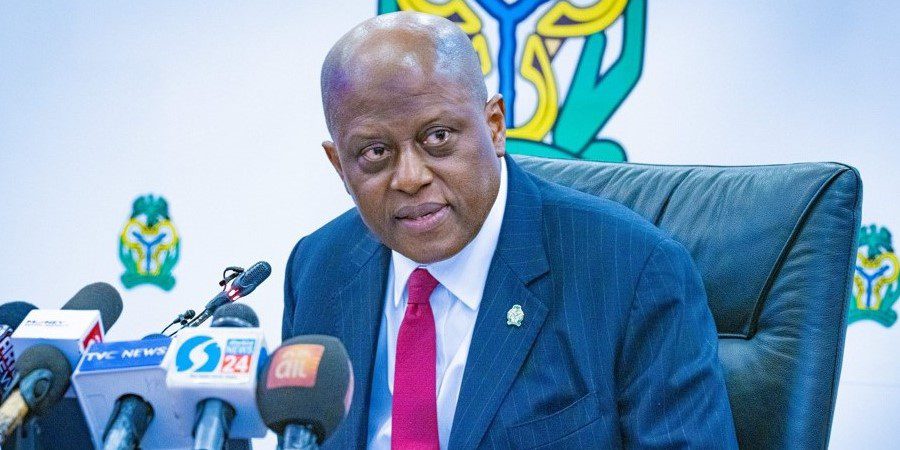
Speaking on Tuesday after the 306th Monetary Policy Committee meeting in Abuja, CBN Governor Olayemi Cardoso said the scarcity of lower-denomination notes is not accidental and the CBN has not withdrawn them from circulation. They are still legal tender. The reason fewer of them are around is simpler than most people think.
“As more people adopt digital payment channels, the demand for coins and lower-denomination notes naturally declines,” Cardoso said. “If there is less demand for them, there is less need to print and circulate them in large quantities.”
He also acknowledged a second force at work. Inflation has quietly eroded the purchasing power of the ₦100 note. What ₦100 could buy five years ago is simply not what it buys today. When a note cannot buy anything meaningful on its own, people stop holding it, stop asking for it as change, and eventually stop noticing when it disappears.
Digital payment adoption and declining purchasing power are reshaping how physical money moves through Nigeria’s economy. Fintech companies have helped accelerate digital payments, but inflation, cash distribution and consumer behaviour also play a role in how lower-denomination notes circulate.
The role fintech plays in Nigeria’s cash-light transition
To understand what is happening, think about how a typical day looked for most Nigerians five years ago versus today.
Five years ago, buying suya at a roadside spot, paying for a bike ride, or splitting the cost of groceries at a local market required physical cash. You needed notes that worked in small amounts. The ₦100 note was not just useful; it was essential for everyday commerce.
Today, a growing number of those same transactions happen differently. OPay, Moniepoint, PalmPay, and a wave of other fintech platforms have aggressively pushed digital payments into the parts of Nigeria’s economy that cash once owned completely. The roadside suya seller now has a POS terminal or a QR code. The bike rider accepts transfers. The market woman shows you her account number before you even open your wallet.
Similar read: CBN holds interest rate at 26.5% as inflation eases
This did not happen by accident. Companies like OPay, Moniepoint, and PalmPay spent years and significant capital acquiring customers, training agents, and building the infrastructure to make digital payments feel as easy as handing over a note. The Nigeria Inter-Bank Settlement System (NIBSS) reported that electronic payment transactions in Nigeria have grown dramatically over the past few years, with mobile and POS transactions now handling volumes that would have been unimaginable a decade ago. OPay alone processes over 100 million transactions every day.
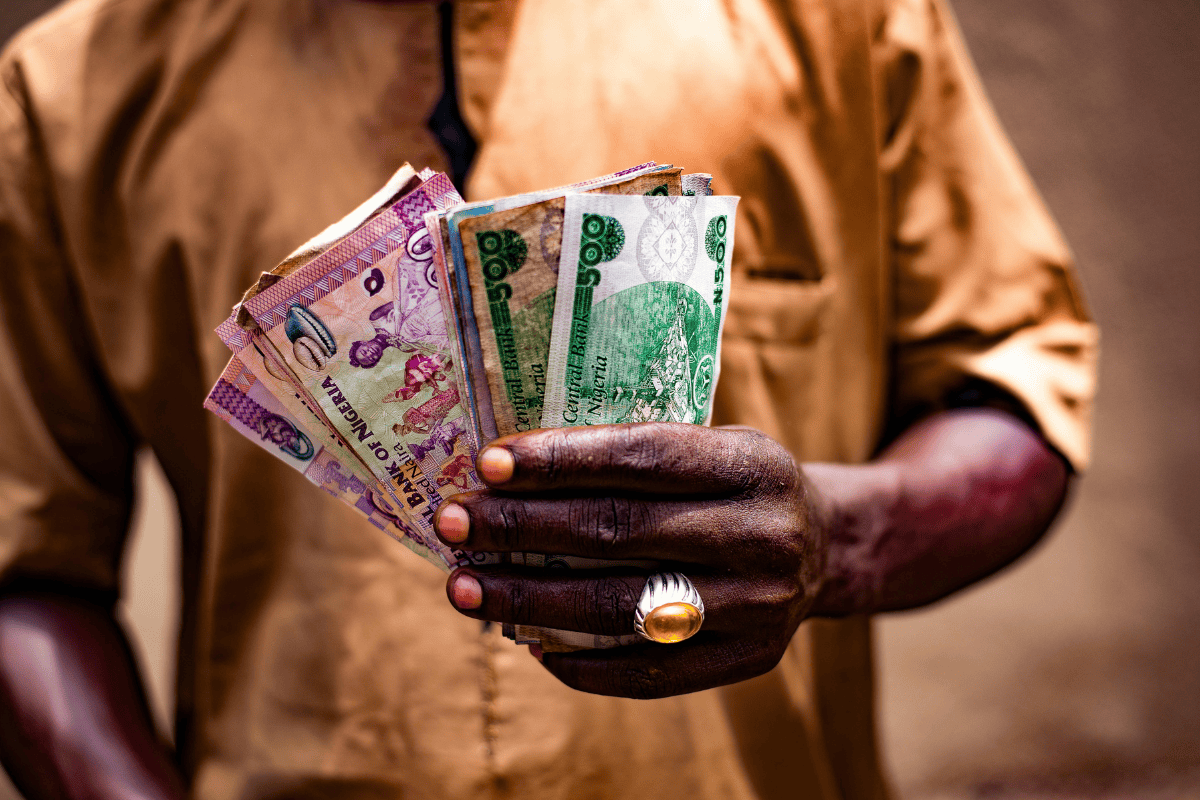
As more small transactions move from cash to digital channels, demand for lower-denomination notes may decline. Cardoso said that when demand falls, the CBN has less reason to print and circulate those notes in large quantities. However, the central bank has not published data showing how much demand for ₦100 and ₦200 notes has changed over time.
Debit cards, by comparison, account for about 99% of card payment volume in Nigeria, but even card usage is increasingly being displaced by direct transfers through fintech apps, which carry lower friction and no card-swipe requirement. The shift is moving fast and in one direction.
What this means for consumers and merchants
For consumers, the disappearing ₦100 note is both a symptom and a signal. It is a symptom of how far Nigeria’s fintech infrastructure has come. It is a signal of where the economy is heading, whether people are ready for it or not.
The challenge is that the transition is uneven. In Lagos, Abuja, and other major cities, going an entire day without using physical cash is entirely feasible for millions of people. But in rural communities, smaller towns, and markets where connectivity is unreliable or where older traders have not adopted digital payments, cash remains essential. For those communities, the scarcity of small notes is not a sign of digital progress, it is a practical inconvenience that makes daily commerce harder.
For merchants, the shift cuts both ways. A trader who accepts digital payments gains access to a wider customer base, builds a transaction record that could eventually support access to credit, and stops worrying about fake notes or robbery risk. But the upfront cost of acquiring a POS terminal, the transaction fees on fintech channels, and the occasional network failure are real costs that smaller operators weigh carefully.

Cardoso’s comments suggest the CBN views the direction of travel as broadly positive. The governor has consistently framed financial inclusion and digitisation as complementary goals, more people using formal financial channels means more of the economy becomes visible, taxable, and serviceable by the financial system. On some days, he noted, turnover in Nigeria’s foreign exchange market exceeds $1 billion, reflecting growing confidence in the system.
But the disappearance of the ₦100 note is also a reminder that transitions have friction. Not everyone moves at the same speed. And in a country of over 200 million people with deep economic inequality and significant infrastructure gaps, the cash-light economy that fintech companies are building still has a long way to go before it works equally well for everyone.

While the CBN says digital payments are reducing demand for ₦100 and ₦200 notes, inflation, faster wear and tear, cash distribution challenges and changing consumer behaviour have also shaped how lower denominations circulate. Fintech is likely one factor among several, rather than the sole reason smaller notes have become harder to find.
Read also: CBN PSV 2028: How Nigeria is using eNaira and stablecoins to bank 50 million people
