




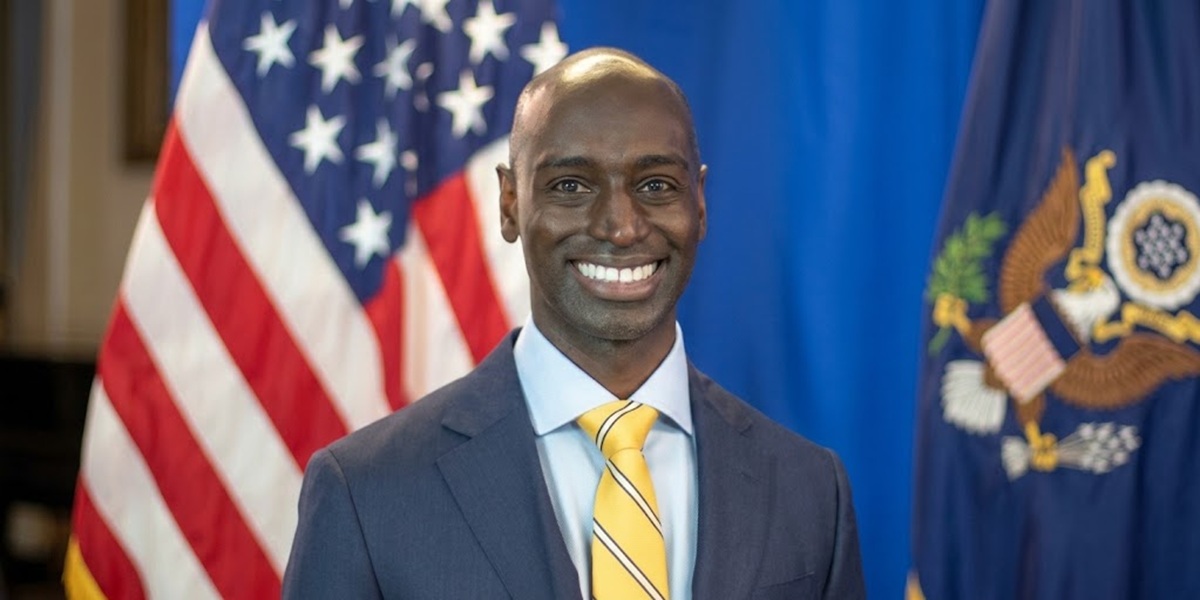
The United States wants a bigger slice of Nigeria’s fintech pie, and it’s putting its money where its mouth is. Speaking at Nigeria Fintech Week 2026 in Lagos, U.S. Consul General Brandon Hudspeth made the case plainly: American capital, infrastructure and know-how have helped turn Nigeria’s fintech scene from a scrappy experiment into the backbone of a digital economy stretching far beyond the country’s borders.
“You are not merely processing payments or writing code; you are propelling the African digital renaissance,” Hudspeth told a room packed with founders, investors and industry heavyweights.
It’s a remarkable arc. What began as a handful of ambitious ideas has matured into infrastructure that now powers daily economic life across Nigeria and much of the continent.
The numbers back it up. Nigeria is now home to roughly 430 fintech firms, accounting for about 30% of all fintech companies in Africa, a sector that has become a cornerstone of the growing economic ties between Abuja and Washington.
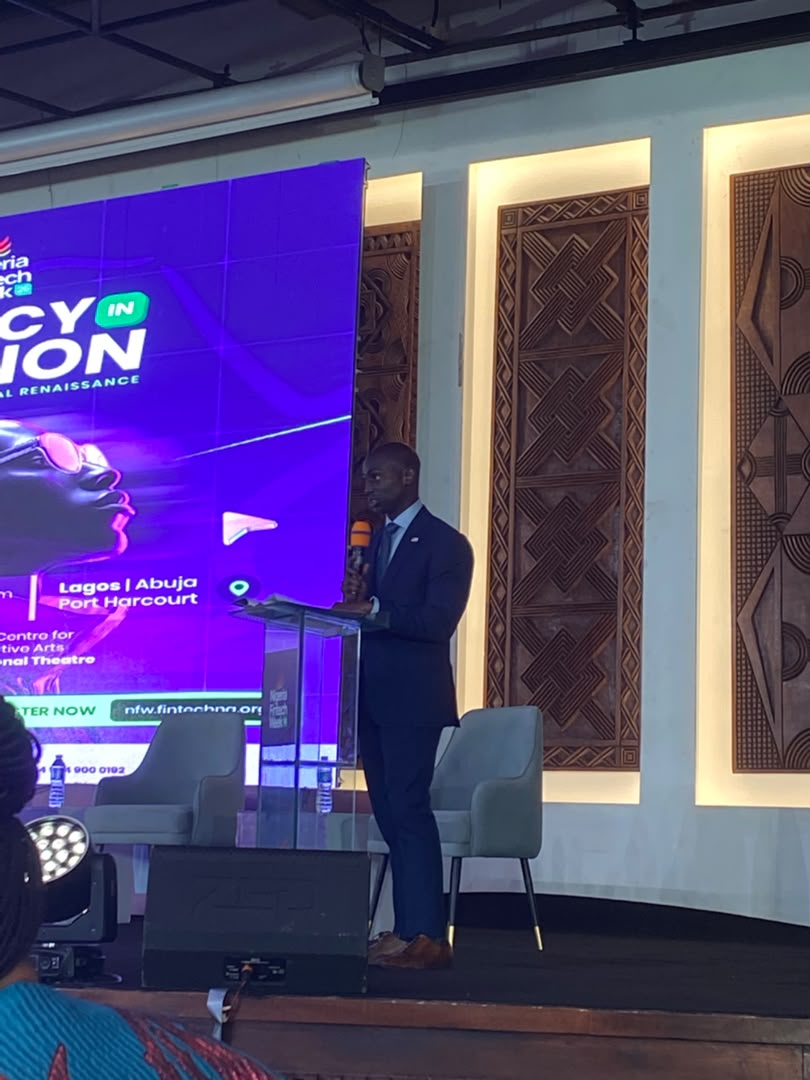
But the headline figure from Hudspeth’s address was the sheer weight of American money flowing into Nigerian technology. Between 2015 and 2025, U.S. venture capital firms and private investors were the single largest source of venture capital equity funding into the country’s tech ecosystem, contributing around 60%, roughly $5 billion.
“For the past 10 years, U.S.-based investors have consistently been the largest source of external capital in the Nigerian tech ecosystem,” he said. That figure covers Nigeria’s wider technology landscape rather than fintech alone, but fintech remains its beating heart.
Nowhere is that clearer than in Flutterwave and Paystack, two Lagos-born companies that Hudspeth held up as proof that Nigerian startups can build at home and win abroad. Both tested their products locally before taking on international markets.
“Lagos is the birthplace of Africa’s leading tech giants: Flutterwave, Paystack, Moove,” he said. “They built and market-tested solutions right here, right down the road, and scaled them to the entire world.”
The message was unmistakable: Nigeria’s fintech story is no longer a local one, and the U.S. intends to stay invested in how it unfolds.
Why U.S. investors matter to Nigerian fintech
For Nigerian fintechs, the U.S. connection runs far deeper than fundraising. Startups with global ambitions need more than cash. They need international investors, the right legal structures, payment networks, cloud infrastructure and a whole stack of technology services to compete beyond Nigeria’s borders.
That’s where America comes in. According to Hudspeth, about 70% of Nigerian startups have incorporated in the United States, drawn by corporate structures, capital markets and intellectual property systems that open doors to international funding and worldwide expansion.
The relationship cuts both ways. American companies gain access to one of Africa’s biggest markets and its fast-growing pool of tech talent. Nigerian startups, in turn, gain the capital, infrastructure and market reach they need to scale.

And U.S. firms aren’t just watching from the sidelines. Hudspeth pointed to Google, Starlink, Equinix and Digital Realty as evidence that American tech giants are already pouring money into Nigeria’s physical and digital foundations, from data centres to talent development.
Also read: Remita moves beyond payments with launch of super fintech app at Nigeria Fintech Week
“U.S. tech leaders are not passive observers here in Nigeria,” he said. “They are active, they are enthusiastic partners, investing directly in the physical and digital foundations of tech growth in this country.”
Fintech is becoming part of a bigger U.S.-Nigeria trade relationship
Fintech is just one strand of a far larger commercial relationship between the two countries. According to Hudspeth, the U.S. and Nigeria trade around $15 billion in goods and services annually, with technology and finance helping drive that momentum. U.S. government data puts total two-way trade at roughly $14.7 billion in 2025, up 13.3% from the year before.
The next phase, Hudspeth said, will lean more on private-sector trade and investment than on aid. “The approach is very straightforward: it is about trade over aid, opportunity over dependency, and investment over assistance,” he said. Both countries will keep using the U.S.-Nigeria Commercial and Investment Partnership to deepen ties, with a ministerial meeting expected later this year.
The timing makes sense. Lagos keeps tightening its grip as one of Africa’s leading tech hubs. Dealroom ranked it first among the world’s Rising Stars in its 2025 Global Tech Ecosystem Index, citing an 11.6x jump in ecosystem valuation since 2017 and the birth of five unicorns.
Fintech has been central to that rise, with Flutterwave and Paystack building products around some of Nigeria’s thorniest financial problems before expanding across Africa and beyond.
That track record shapes the U.S. strategy Hudspeth laid out. Rather than seeing Nigerian tech companies simply as recipients of foreign capital, he described their founders as potential global partners. “The financial and tech solutions you’re engineering here in Lagos are not just solving challenges locally, but they’re building models across the entire world,” he said.
For Nigerian fintech, the next stage of growth could mean more than chasing investment: American firms supplying infrastructure, Nigerian startups building for international markets, and both sides hunting for commercial opportunities beyond Nigeria’s borders. Hudspeth’s message at Nigeria Fintech Week was less about celebrating how far the industry has come and more about where the relationship could go next.
“Nigeria benefits from doing business with U.S. companies, and U.S. companies benefit from Nigeria,” he concluded.
