






Nigeria’s technology ecosystem is increasingly being shaped by people building solutions that go beyond familiar fintech applications. From artificial intelligence (AI) models trained around African languages to blockchain-powered payment infrastructure, autonomous defence systems and cybersecurity tools, Nigerian innovators are taking on problems that affect businesses, governments and everyday users.
Some of these developments have attracted international investment, while others are gradually changing how Nigerians interact with financial services, access technology and participate in the digital economy. Behind many of them are engineers, founders, researchers and technology executives whose contributions often receive less attention than the products and companies they build.
As the world marks International Men’s Day on November 19, 2026, Technext highlights 25 Nigerian men whose work is contributing to the country’s evolving technology landscape. Their contributions span artificial intelligence, fintech, cryptocurrency, cybersecurity, digital infrastructure and robotics.
The list is not a ranking. Instead, it recognises individuals working across different parts of the ecosystem, including established industry leaders and relatively young innovators developing solutions for African markets.
Artificial intelligence: Building technology around African problems
1. Silas Adekunle – Awarri
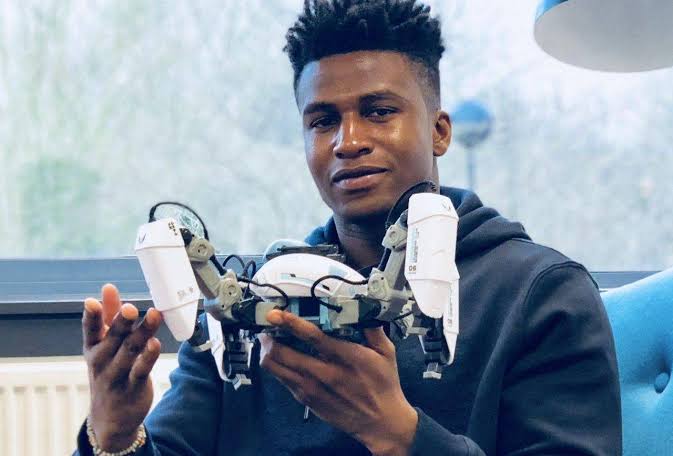
Silas Adekunle is among the Nigerian technology entrepreneurs working to move Africa beyond being a consumer of artificial intelligence into a region capable of developing its own AI systems. The robotics entrepreneur is best known for creating MekaMon, an intelligent gaming robot, but his current work through Awarri extends into artificial intelligence, robotics education and locally developed datasets.
Awarri has worked with the Federal Government to develop N-ATLAS, an open-source multilingual and multimodal large language model designed around Nigerian languages and local contexts. Its other projects include LangEasy, which collects linguistic data, and RootLens, a platform for managing visual datasets used in AI development. The company says it has trained and hired more than 4,200 data operators and engineers, contributing to the talent and data infrastructure needed for locally developed AI systems.
2. Tobi Olatunji – Intron
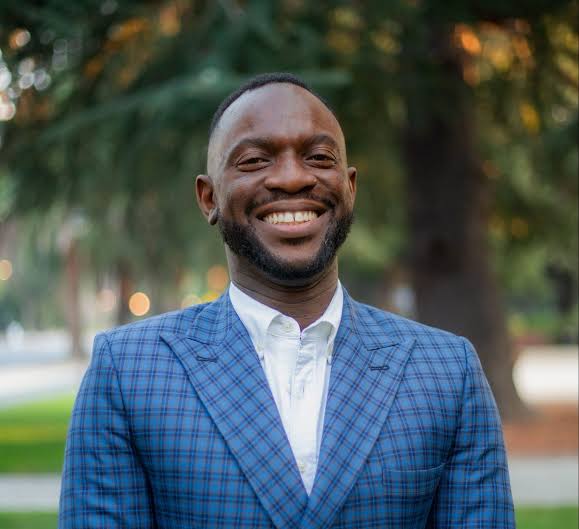
Tobi Olatunji is the founder of Intron, a Nigerian technology company developing speech recognition and text-to-speech systems for African languages and accents. Its technology addresses a significant limitation of many global AI products, which often struggle to accurately understand African accents, local languages and the way people switch between languages during conversations.
Intron’s Sahara model family powers applications across healthcare, financial services, customer support and other sectors. The company has also expanded beyond its initial focus on medical transcription into areas such as courtroom transcription and legal technology. Its work is particularly relevant as businesses increasingly integrate voice-based AI into their services.
3. Obi Ebuka David – Autogon AI

Obi Ebuka David is the founder of Autogon AI, a company developing infrastructure that allows businesses to build and deploy artificial intelligence applications without necessarily having extensive technical expertise.
His work focuses on reducing the barriers that prevent businesses from adopting AI, particularly smaller organisations that cannot afford to build their own machine-learning infrastructure. Before Autogon, David co-founded IdentityPass, now known as Prembly, where he worked on AI-powered identity verification and fraud detection systems.
His contribution reflects an important part of Nigeria’s AI ecosystem: making advanced technology accessible to businesses beyond large technology companies.
4. Abiodun Adetona – Decide

Abiodun Adetona is building AI agents designed to automate complex spreadsheet operations and data analysis for professionals without programming or advanced quantitative backgrounds.
Through Decide, Adetona is targeting everyday enterprise workflows where financial reporting, reconciliation, and operational planning still depend heavily on manual spreadsheet work. The company gained international attention in February 2026 after its spreadsheet agent ranked fourth globally on SpreadsheetBench, and followed that momentum later in the year with the release of its specialised DAX-1 model and Decide Agent 2.0.
5. Bola Banjo – Cencori

Bola Banjo is a Nigerian engineer and the chief executive of Cencori, an AI infrastructure company working on the security and management of applications built with artificial intelligence.
As businesses increasingly use AI models to power their products, developers face challenges involving security, model selection, application monitoring and the management of different AI providers. Cencori is developing infrastructure that sits between applications and AI models, helping developers manage these processes.
Founded in June 2025, the company was bootstrapped by its founders and had attracted more than 200 organic users by April 2026. Banjo’s work highlights the growing need for infrastructure that makes AI applications more reliable and secure as adoption increases.
6. Abiola Ogodo – Modulaw AI

Abiola Ogodo is the founder of Modulaw AI, a legal technology company developing artificial intelligence tools for law firms and legal professionals.
The platform combines AI-powered legal research, document management, automated billing and financial analytics to reduce the administrative work involved in legal practice. Its approach is to build an operating platform for law firms rather than simply provide another chatbot for answering legal questions.
Modulaw has reported onboarding 28 law firms and generating more than ₦4 million in revenue by February 2026. It subsequently announced that its platform went fully live in August, marking another step in its effort to bring AI-powered legal services to Nigerian and international markets.
Fintech: Rebuilding how Nigerians and businesses move money
7. Tosin Eniolorunda – Moniepoint
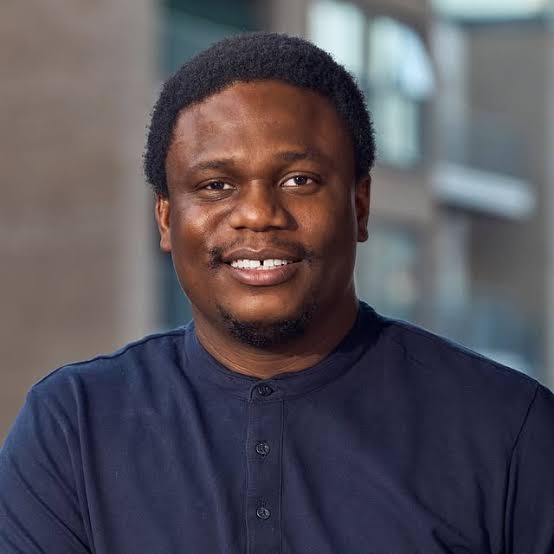
Tosin Eniolorunda is the co-founder and Group Chief Executive Officer of Moniepoint, one of Nigeria’s most prominent financial technology companies.
Through Moniepoint, he has helped build financial infrastructure that supports payments, banking and credit services for individuals and businesses, particularly small and medium-sized enterprises that have historically struggled to access traditional banking services.
In June 2026, Eniolorunda called for greater integration of credit products into existing payment infrastructure, arguing that transaction data could help financial institutions extend credit to businesses that conventional banks often overlook. His recognition on TIME100 Next 2026 also highlighted his growing influence in the global technology and financial services industry.
8. Felix Ike – Moniepoint
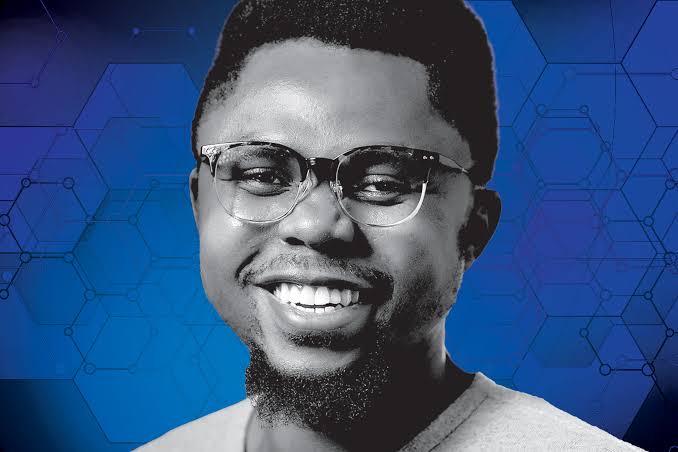
While Eniolorunda provides much of Moniepoint’s public leadership, Felix Ike has played a significant role in building the technology behind the company’s financial infrastructure.
As co-founder and chief technology officer, Ike oversees the engineering systems supporting Moniepoint’s payments and banking operations. His work is particularly important because financial technology platforms must process large volumes of transactions while maintaining reliability, security and speed.
In September 2026, TIME recognised Ike among its technology and data executives of the year, drawing international attention to the engineering leadership behind one of Africa’s largest fintech platforms.
9. Olugbenga Agboola – Flutterwave
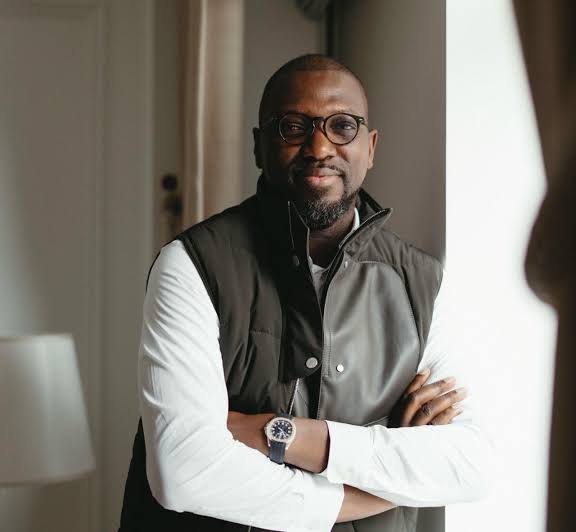
Olugbenga Agboola is the co-founder and chief executive officer of Flutterwave, a Nigerian-founded payments technology company whose infrastructure enables businesses to receive and process payments across multiple markets.
Flutterwave has spent years developing payment systems that simplify transactions for businesses operating across African borders. However, 2026 has marked an important expansion of its ambitions beyond payment processing.
In April, the company announced that it had secured a Nigerian microfinance banking licence, allowing it to hold customer deposits and manage more of its financial services directly. The development followed its acquisition of open-banking company Mono earlier in the year, strengthening its financial connectivity infrastructure.
10. Shola Akinlade – Paystack

Shola Akinlade co-founded Paystack, one of Nigeria’s best-known payment technology companies, which provides infrastructure that allows businesses to accept and process digital payments.
In 2026, Akinlade has been pushing the company beyond conventional payment processing. Paystack announced the launch of Paystack Index, an experimental AI-powered checkout product that allows users to complete everyday transactions through AI assistants.
The product supports activities such as airtime purchases, transfers through Zap and food ordering through Chowdeck. Paystack has also been exploring how its payment infrastructure could connect to blockchain networks to simplify cross-border transactions and make African currencies more accessible within digital financial systems.
11. Tayo Oviosu – Paga
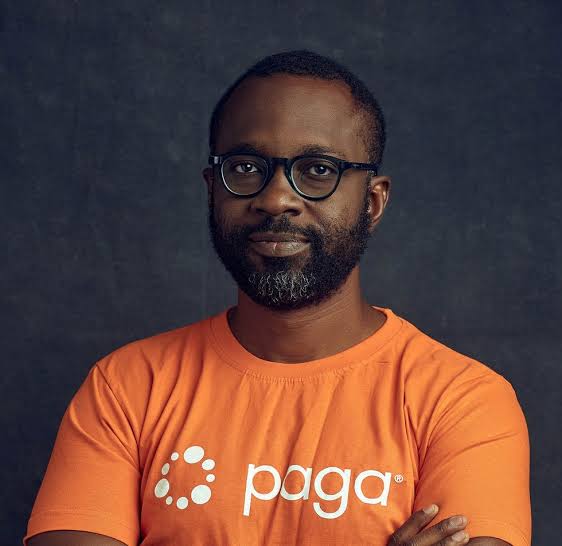
Tayo Oviosu is the founder of Paga, a pioneering Nigerian financial technology company that has spent more than 15 years building digital payment and mobile money infrastructure for consumers and merchants.
In January 2026, Paga partnered with PayPal to enable Nigerians to link their PayPal accounts to Paga wallets and receive and withdraw international funds locally—resolving a major limitation since PayPal introduced send-only access in Nigeria in 2014. Later in April 2026, following the appointment of Dapo Sobowale as CEO of Paga Nigeria, Oviosu transitioned out of day-to-day local operations to focus on group strategy, Paga Labs, stablecoins, and international expansion.
12. Ridwan Olalere – LemFi

Ridwan Olalere is the co-founder and chief executive officer of LemFi, a cross-border financial platform built for immigrants and diaspora communities sending and managing money across international corridors.
In April 2026, LemFi announced a £100 million commitment over five years to expand its United Kingdom operations and formally designated London as its global headquarters. The investment supports engineering research, compliance infrastructure, and hiring as the company evolves from a remittance app into a multi-currency global financial platform.
Cryptocurrency and blockchain: Building the next generation of financial infrastructure
13. Adedeji Owonibi – Convexity Technologies

Adedeji Owonibi is one of the Nigerian technology entrepreneurs working at the intersection of blockchain infrastructure, digital assets and financial crime prevention.
Through Convexity Technologies and A&D Forensics, he has contributed to blockchain-based financial solutions, cryptocurrency investigations and digital asset compliance. His work also extends into regulatory discussions surrounding virtual assets and the development of Nigeria’s blockchain ecosystem.
Owonibi played a role in the development of cNGN, Nigeria’s naira-backed stablecoin, supporting its regulatory compliance and institutional partnerships. In 2026, he was included in the Stablecoins Most Influential list, which recognises people contributing to the development of the global stablecoin industry.
14. Tomiwa ‘Aleph’ Lasebikan – Daya

Tomiwa Lasebikan, popularly known as Aleph, is the co-founder and chief executive officer of Daya, a Nigerian startup building stablecoin-powered payment infrastructure for African businesses.
Daya is designed to help companies receive international payments, access dollar liquidity and settle transactions across borders using stablecoins and banking partners. Its technology targets a persistent challenge for African businesses that often face expensive foreign exchange services, fragmented payment systems and delays when paying overseas suppliers.
In June 2026, Daya raised $2.4 million in pre-seed funding led by Hivemind Capital, with participation from other investors, including Lattice Fund and Alliance DAO. The funding will support the expansion of its cross-border payment network and stablecoin-based financial services.
15. Paul Joe – Daya

Paul Joe is the co-founder and chief operating officer of Daya, where he works alongside Lasebikan to develop payment infrastructure for businesses operating across different markets.
His work focuses on the operational and financial systems behind cross-border transactions, including partnerships, regulatory execution and the processes required to make stablecoin settlements reliable for businesses.
Daya’s $2.4 million funding round in June 2026 represents an important milestone for the company. Joe’s contribution is particularly relevant because stablecoin-based payments require more than blockchain technology. They also depend on reliable banking connections, compliance systems and transaction management.
16. Buchi Okoro – Quidax

Buchi Okoro is the co-founder and chief executive officer of Quidax, a Nigerian cryptocurrency exchange building retail and enterprise digital asset infrastructure across Africa.
Under Nigeria’s Securities and Exchange Commission (SEC) digital asset regulatory framework, Quidax made history in August 2024 as the first cryptocurrency exchange to receive a provisional Digital Assets Exchange licence. Through 2026, Okoro has continued expanding Quidax’s institutional APIs and compliant crypto liquidity rails for African fintechs and businesses.
17. Michael Adeyeri – Busha
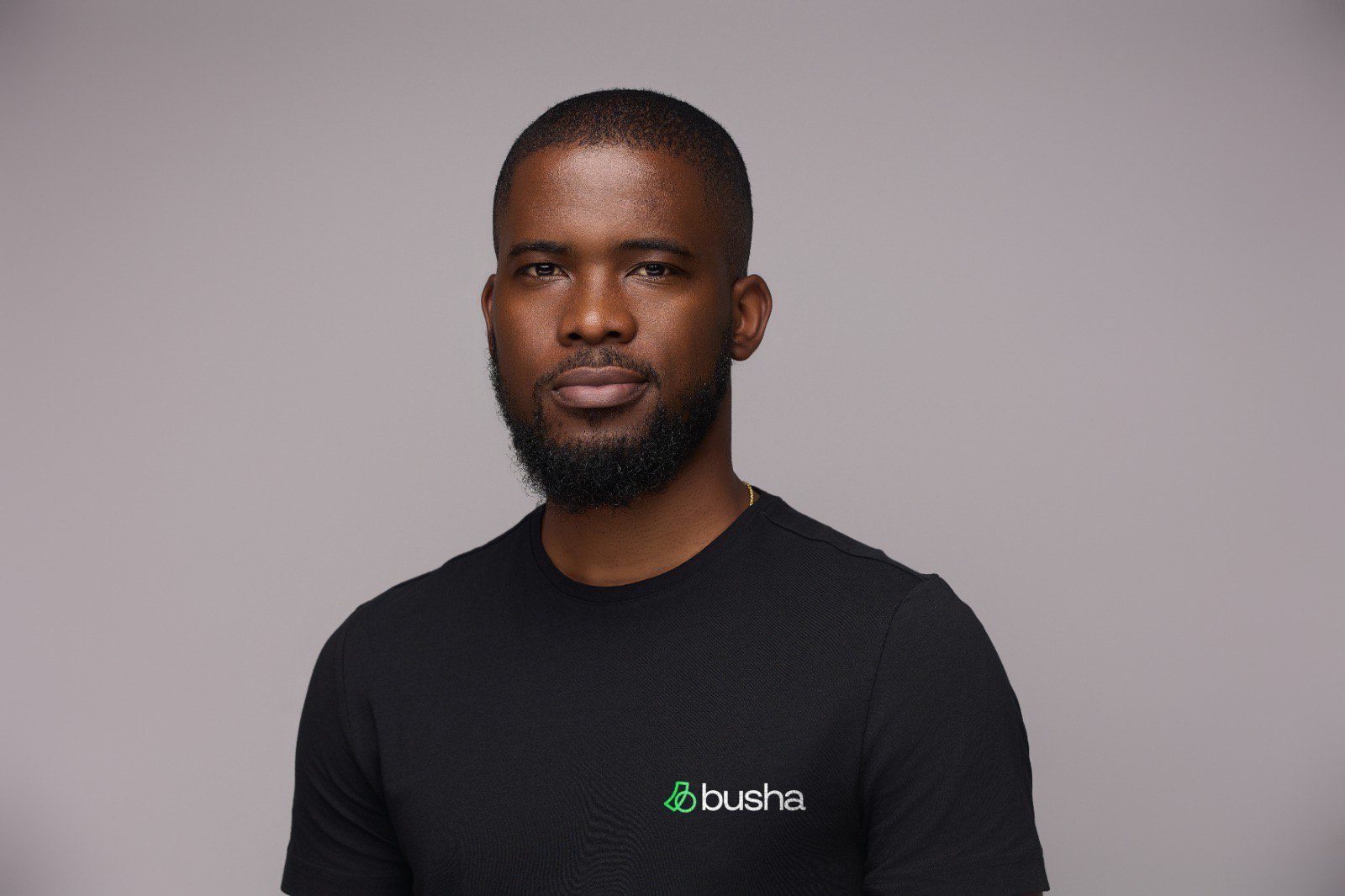
Michael Adeyeri is the co-founder and chief executive officer of Busha, a Nigerian cryptocurrency platform focused on making digital assets easier and safer to access. The company provides services for individuals seeking to buy, sell and manage cryptocurrencies, while also developing financial products for businesses participating in the digital economy.
Busha’s progress is notable in the context of Nigeria’s evolving regulatory environment. The company identifies itself as a licensed digital asset provider under the SEC’s regulatory framework and has continued to build its platform around security, customer support and access to digital financial services.
18. Yele Bademosi – Nestcoin

Yele Bademosi is a technology entrepreneur and investor whose work has contributed to the growth of Africa’s cryptocurrency and blockchain ecosystem.
He is the co-founder and chief executive officer of Nestcoin, a company focused on expanding financial access through blockchain-based products. He also founded Bundle Africa, a social payments platform that combined cash and cryptocurrency services.
Beyond entrepreneurship, Bademosi is a founding partner at Microtraction, an early-stage investment firm that backs technology companies across Africa. His work provides another dimension to the crypto ecosystem, particularly the role of investment and capital in supporting emerging blockchain businesses.
19. Obi Emetarom – Zone
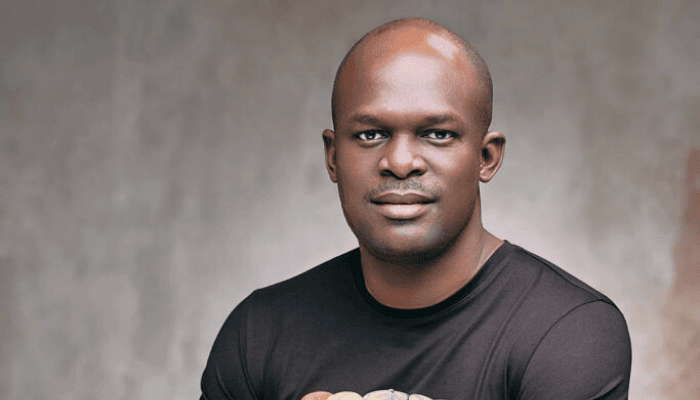
Obi Emetarom is the co-founder and chief executive officer of Zone, a Nigerian financial technology company developing blockchain-based payment infrastructure. Zone describes itself as Africa’s first regulated blockchain network for payments. Its technology is designed to connect financial institutions through a decentralised network that supports secure and compliant transactions.
Rather than concentrating on cryptocurrency trading, the company is applying blockchain technology to the underlying systems that facilitate payments between financial institutions. Its work demonstrates how blockchain can extend beyond speculative digital assets into practical financial infrastructure.
Cybersecurity and responsible AI: Addressing the risks of a digital economy
20. Oluwatomi Obinna Alagbe – Cybersecurity engineering

Oluwatomi Obinna Alagbe is a Nigerian software engineer whose work has focused on cybersecurity, fintech and artificial intelligence.
He has worked with cybersecurity company Malwarebytes, contributing to systems designed to protect digital environments from security threats. His professional experience reflects the growing importance of engineers who understand both software development and the security challenges associated with increasingly connected systems.
As Nigerian businesses adopt digital banking, cloud services and AI-powered applications, cybersecurity expertise is becoming essential to protecting customer information, financial transactions and business infrastructure. Alagbe represents the technical professionals working within this important area of technology.
21. Oluwajuwon Omotayo – Comply54
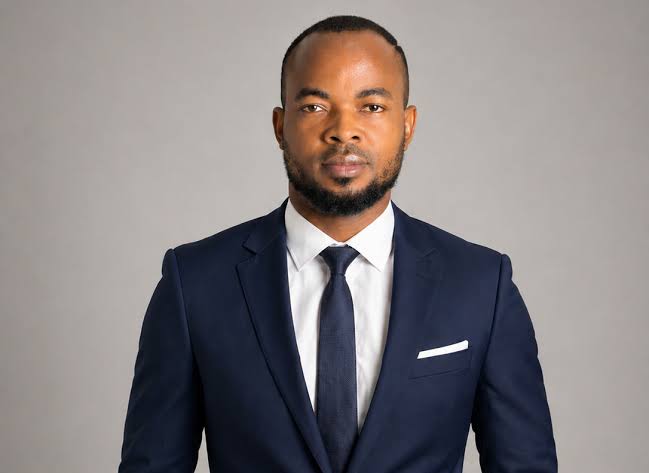
Oluwajuwon Omotayo is the founder of Comply54, an open-source technology project designed to address regulatory compliance in artificial intelligence systems. As AI agents become capable of accessing information, making decisions and carrying out transactions, questions are emerging about how these systems can comply with the laws governing the industries in which they operate.
Comply54 is developing an infrastructure layer that checks the proposed actions of AI agents against applicable regulations before those actions are executed. Its framework covers multiple African jurisdictions, including Nigeria, and is designed to allow developers to build systems with regulatory requirements in mind.
In July 2026, Omotayo published a research paper examining the enforcement challenges surrounding AI regulation in Africa. His work is particularly relevant as the continent seeks to balance AI adoption with accountability and data protection.
Digital infrastructure: Building the foundations of the technology economy
22. Bosun Tijani – Federal Ministry of Communications, Innovation and Digital Economy

Bosun Tijani, Nigeria’s Minister of Communications, Innovation and Digital Economy, is among the people influencing the country’s technology ecosystem through policy and infrastructure development.His work has focused on expanding broadband connectivity, developing technical talent and creating an environment that supports investment in the digital economy.
One of the major developments under his ministry in 2026 was the unveiling of the National Digital Cloud Policy in August. The policy seeks to attract investment into data centres, cloud computing and artificial intelligence infrastructure, while positioning Nigeria as a regional hub for digital services.
The Federal Government has set an initial target of attracting $250 million in private investment within 12 months and $750 million within 24 months. The policy also seeks to strengthen local digital capabilities and reduce Nigeria’s dependence on foreign-hosted infrastructure.
23. Oyaje Idoko – Layer3
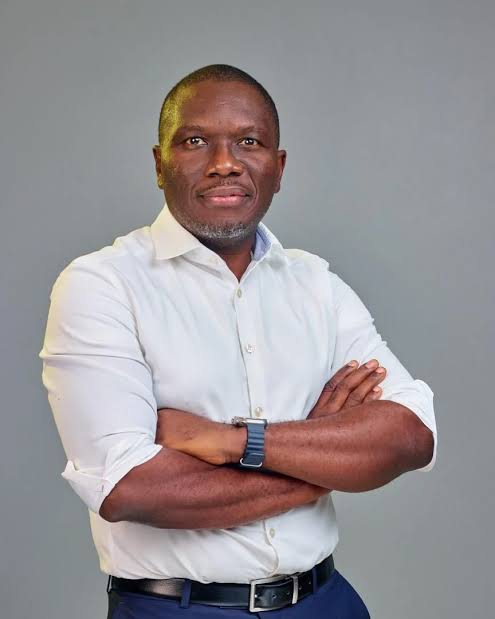
Oyaje Idoko is the co-founder and chief executive officer of Layer3, a Nigerian technology infrastructure company providing enterprise connectivity, cloud computing, cybersecurity and managed technology services.
Founded in 2005, Layer3 has expanded beyond traditional telecommunications and networking services to support businesses that require reliable digital infrastructure.
In October 2026, the company raised ₦1.5 billion through a commercial paper issuance to finance its expansion plans, including investments in locally hosted cloud services and enterprise technology infrastructure. The development is significant as Nigerian businesses increasingly require reliable local infrastructure for data storage, financial services and other digital operations.
Robotics and defence technology: Developing solutions beyond software
24. Nathan Nwachuku – Terra Industries
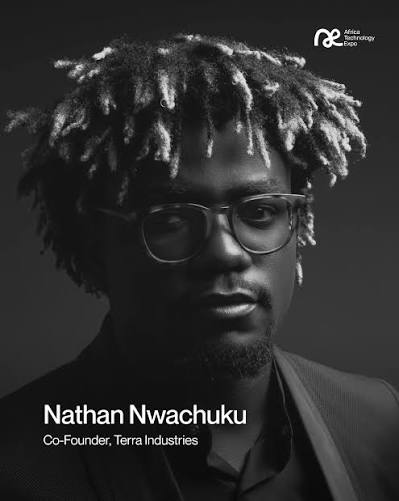
Nathan Nwachuku is the co-founder and chief executive officer of Terra Industries, a Nigerian defence technology company developing autonomous systems and infrastructure protection solutions.
The company is working on technologies that include surveillance drones, ground systems and sensor platforms designed to detect and respond to security threats. Its focus is particularly relevant to African countries facing challenges involving terrorism, infrastructure attacks and the protection of critical facilities.
In January 2026, Terra Industries raised $11.75 million in a funding round led by 8VC to expand its manufacturing capabilities and develop its defence technology operations. The investment brought further international attention to Nigeria’s emerging defence technology sector.
25. Maxwell Maduka – Terra Industries

Maxwell Maduka is the co-founder and chief technology officer of Terra Industries, working alongside Nwachuku to engineer autonomous defence hardware and mission-control software.
Drawing on his background in robotics and embedded systems, Maduka oversees the integration of autonomous air and ground platforms with real-time threat detection, computer vision, and intelligence-gathering software. Following Terra Industries’ $11.75 million raise in January 2026, his technical leadership is central to scaling indigenous robotics manufacturing in Nigeria.
Beyond the headlines
The 25 individuals highlighted demonstrate the different directions in which Nigeria’s technology ecosystem is developing. While fintech continues to provide much of the industry’s established infrastructure, artificial intelligence, blockchain, cybersecurity and robotics are creating new opportunities for local innovation.
Their work also points to a shift in the kinds of problems Nigerian technology companies are attempting to solve. Increasingly, the focus is not simply on adapting international products for local consumers but on building infrastructure, tools and systems that address challenges within African markets.
Read more: The Movers: Inside Moniepoint’s resourceful team of founders and experienced hands
However, the progress of these innovators also raises questions about the wider environment in which technology businesses operate, including access to funding, reliable electricity, computing infrastructure, skilled workers and supportive regulation.
As Nigeria’s digital economy continues to evolve, the contributions of the people building these technologies will remain important to determining whether the country can become more than a major market for global technology products.
For International Men’s Day, their work offers an opportunity to recognise the men contributing to that ambition, not only through the companies they lead but also through the technologies they are helping to develop.
