



Market researcher IDC has reported that global smartphone shipments have suffered their worst quarter yet, after shipments fell by 22% year-on-year in Q3, attributed to rising memory costs and the continued redirection of available chips to AI models.
The latest development poses a more significant threat to smartphone prices, with entry-level phones pegged at $100 expected to suffer the biggest hit. In extreme cases, following the latest dip, this range of smartphones might be washed off the market, at least for now.
The industry report by IDC showed that Chinese brands like Xiaomi Corp and Oppo took the worst hit among the top names, while Apple and Samsung Electronics fared better due to their larger premium handset inventories.
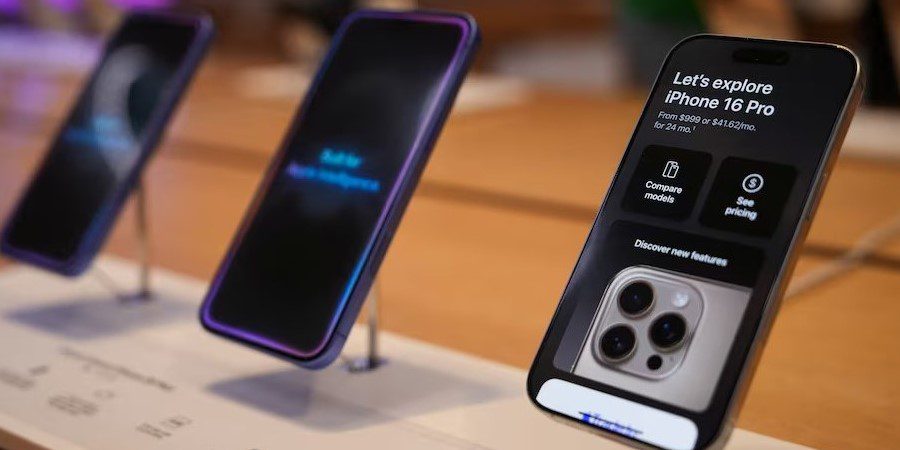
According to new projections, the market is not expected to recover in growth until at least 2028.
Also read: 9 in 10 Nigerians use Android-powered smartphones as of 2025 — report.
Entry-level smartphones are disappearing
Earlier this year, IDC projected global smartphone shipments to decline by 13.9% in 2026. Omdia, another market researcher, said the market is expected to decline by 12.2% YoY in 2026, representing a 153 million unit drop from 1.246 billion units recorded in 2025 to 1.093 billion units.
The higher cost of storage over the past year, driven by rising demand from the AI industry, has hurt profitability across the mobile sector and forced chip-making companies to raise prices, cut back specifications and discard budget-focused/entry level models.
Prices of existing smartphone models have risen by almost 15% globally in 2026, while newly launched models are roughly 25% more expensive than last year.
Xiaomi raised the price of a 128GB Redmi 15C from $140 at launch last December to $190 seven months later in India, a 36% increase. In Southeast Asia, Oppo’s sub-$100 phone shipments surged 96%, and Vivo increased its main entry-level model above $100 in most markets, according to research firm Omdia.

In Africa, 81% of smartphones shipped in 2025 cost less than $200, but shipments of sub-$100 phones fell 34% YoY in Q2 2026.
This increasing cost saw shipments of 5G smartphones increase by 8% YoY across the Middle East and Africa (MEA) in Q2 ’26, as manufacturers are allocating limited microchips and memory to higher-margin premium devices rather than entry-level phones.
As companies increase prices and push consumers toward flagship or ultra models, the long-term trend will see the market shrink and might see vendors with large-scale distribution reduce their inventories.
What’s the fate of Sub-Saharan Africa?
Market leaders have pointed out that the worst is yet to come, marking an urgent case for Sub-Saharan Africa, where the majority still struggle to purchase entry-level phones.
“Current indicators suggest that the market has not yet reached the bottom,” said IDC research director Nabila Popal. “Memory costs have surged approximately 350% since last year and are still rising, creating substantial pressure on vendor margins and shipments. The worst is yet to come.”
GSMA, the global mobile industry association, had earlier noted that nearly 800 million more people will use mobile internet by 2030. But it is becoming alarming that the projection might need to be revisited as increasing smartphone prices are widening the digital inequality gap.
According to GSMA data, about 76% of the population in Sub-Saharan Africa does not own a smartphone, with handset costs relative to income contributing to the affordability barrier. Only about 24% to 25% of the region’s population uses mobile internet.
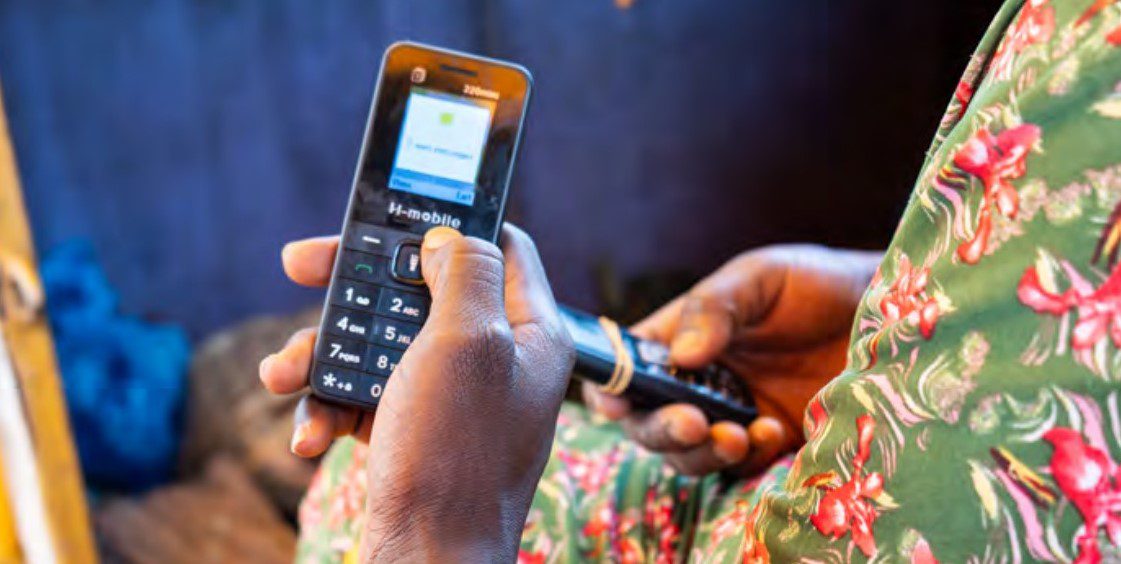
With device affordability as a primary barrier comes the increasing usage gap. Recent reports show that about 60% of people in Sub-Saharan Africa live within range of a mobile broadband network (3G or 4G) but do not use mobile internet, representing roughly 710 million people.
More alarming is how an entry-level smartphone can cost anywhere from 73% to 95% of an average or low-income earner’s monthly wage in the region, and can also cost up to 99% for the poorest 20% of earners.
Component scarcity and surging memory chip costs, driven by global AI data centre demand, have made ultra-budget devices harder to manufacture and more expensive for lower-income consumers to purchase following the increase in price.
Now, people who can’t afford a new smartphone will turn to the buy-now-pay-later (BNPL) model, financing schemes of companies like M-Kopa or patronise the refurbished market.
Also Read: Global smartphone shipments to drop by 152 million units in 2026 as chip prices surge.
