


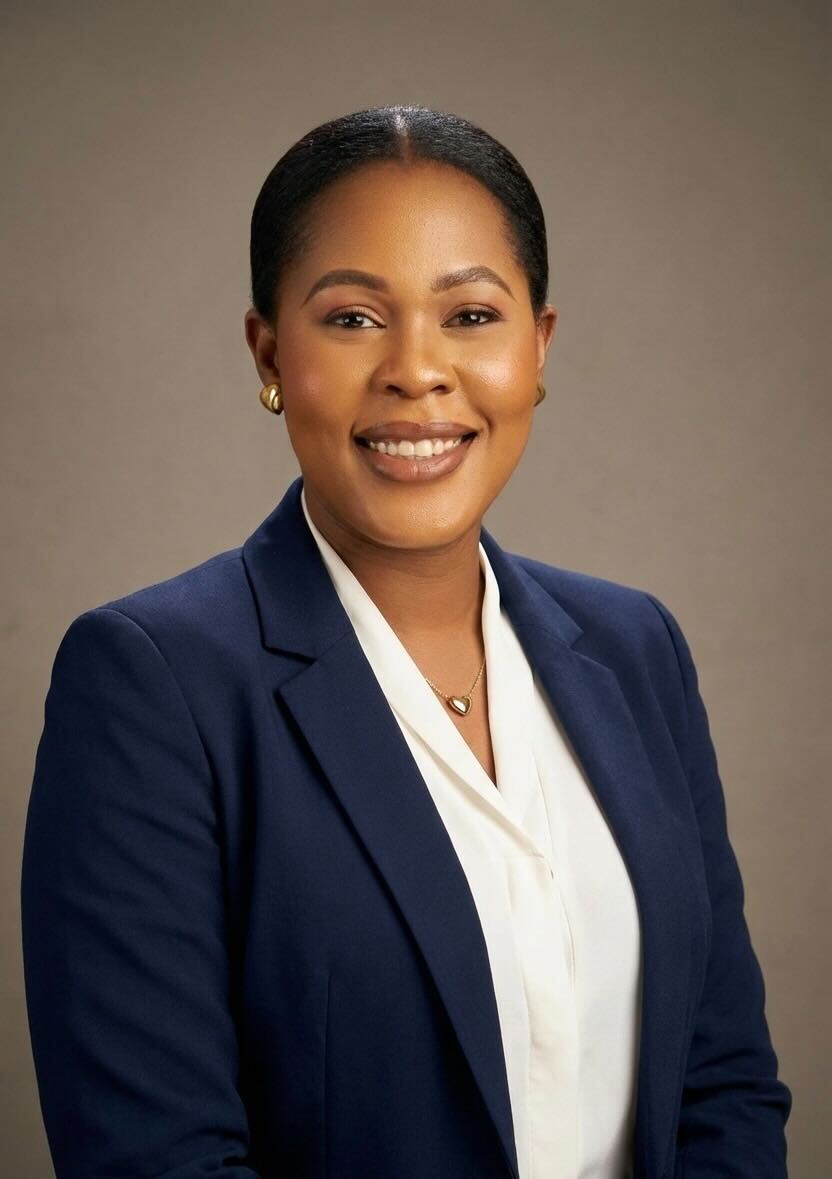
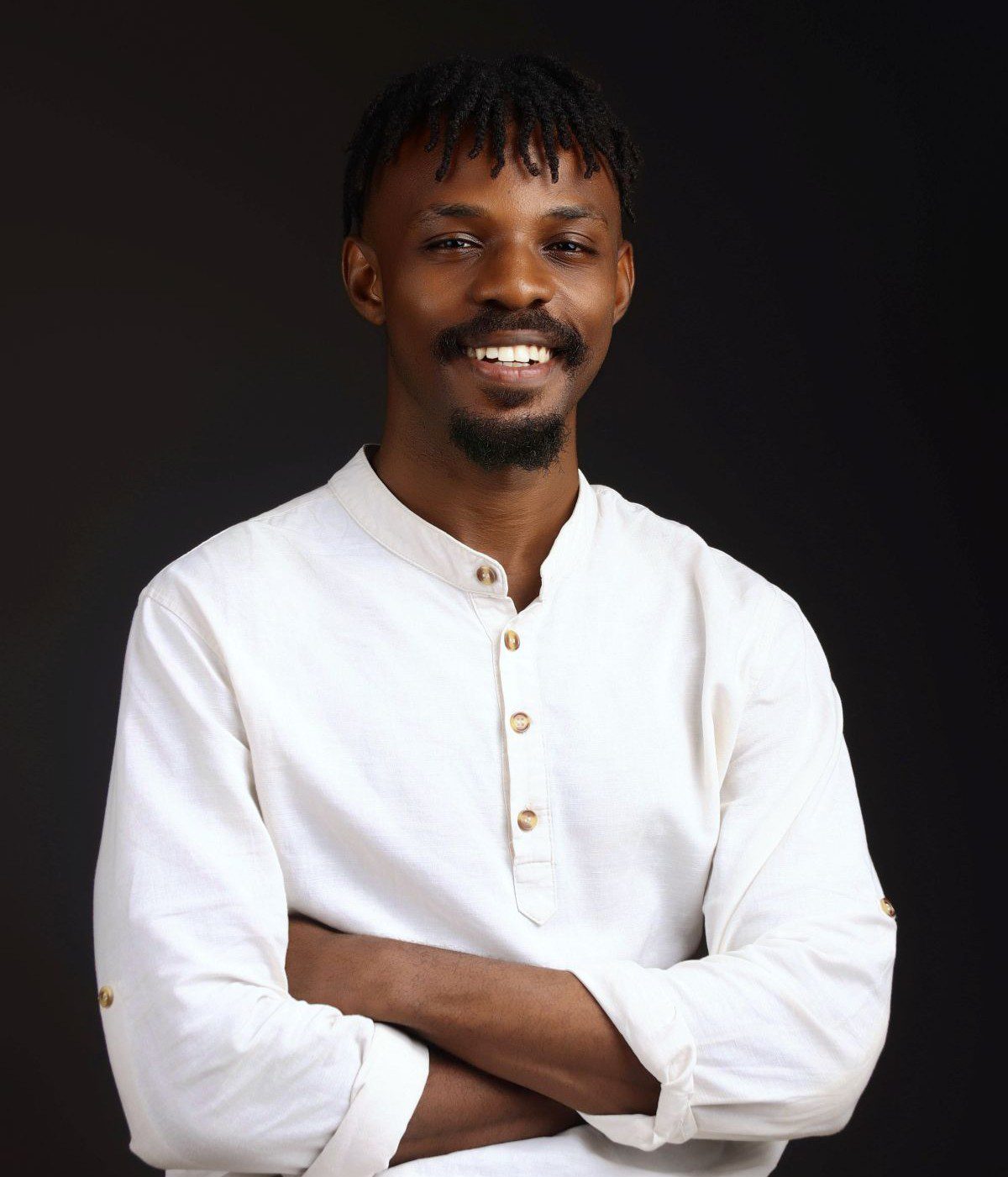
Nigerian AI startup NSKAI wants to train as many as 500,000 people in artificial intelligence across Africa, and it is considering a Guinness World Record attempt to draw global attention to that ambition. Ask founder Ifeanyi Okala how many learners he is realistically targeting, though, and he gives the safer number first: 100,000. Give him another second, and the real ambition comes out.
“Within my heart, I definitely want to get 500,000,” he told Technext in an interview.
It is a bold target for an organisation that runs its biggest programme so far with zero external funding. But Okala believes the Guinness attempt could give the project the kind of visibility that numbers alone may not. NSKAI had initially considered beating an existing record linked to Microsoft. The plan, however, proved unrealistic once NSKAI considered the scale required.
“The reality turned on us that that was not going to be possible,” Okala said.
So the organisation changed the play. Instead of trying to beat a record created elsewhere, NSKAI is now exploring the creation of a new Guinness World Record category around AI education. That distinction matters to Okala.
“Many times we’re always trying to beat what already exists that was not set by us,” he said. The idea, this time, is for the record to start from Africa. But the record is only the attention-grabbing part of a much bigger plan. NSKAI wants to prove that Africans can participate in the AI boom as builders, not just as consumers of tools created elsewhere.
“One of the reasons why we started this project is that we wanted to prove that Africa can be very much involved in AI, not just as consumers, but as builders,” Okala said.

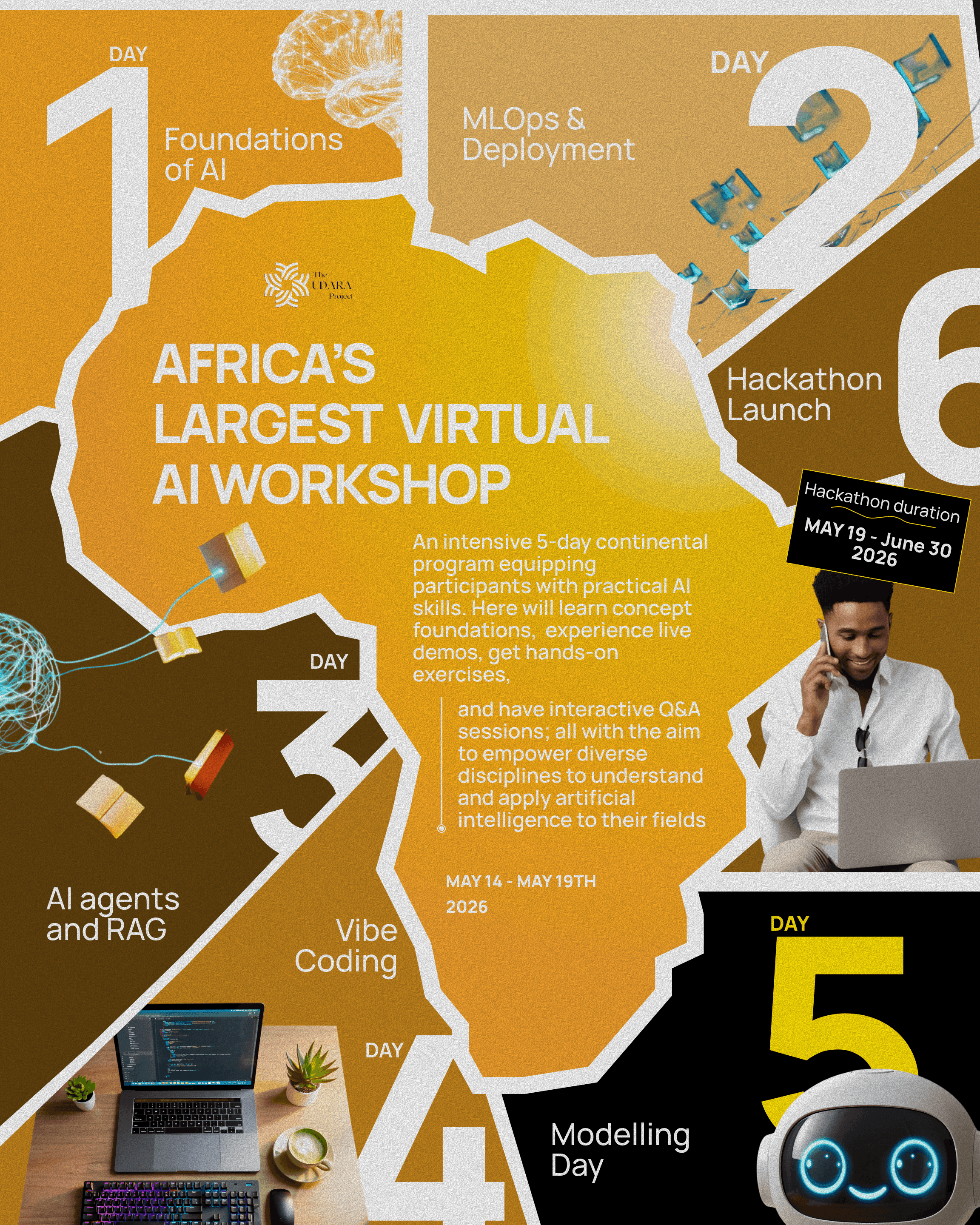
And it already has a number that suggests the interest is there: about 21,000 registrations for its Udara Project across 290 institutions in 30 African countries.
From a nine-person community to 21,000 registrations
NSKAI started in 2021 as a community of nine people trying to learn and build with artificial intelligence. The group later grew to around 30 members, then 150 and 300. Its first major test came in 2025 with a six-week virtual bootcamp focused on Retrieval-Augmented Generation and AI agents.
At the time, AI agents had become one of the industry’s biggest talking points, but Okala wanted the programme to go beyond introductory conversations. NSKAI brought in professionals with experience across organisations including LangChain, Apple, Google and Stanford to train participants. About 1,370 people from 55 countries joined.
Participants were also expected to build products with what they learned. Okala said one later secured a job partly because of the bootcamp experience, while another participant in Kenya continued developing a product started during the programme and used it to pursue accelerators and other opportunities.
“That end-to-end cycle really exposed me to the impact we can have,” he said.
The experience became the foundation for Udara.
Unlike the earlier bootcamp, where participation outside Nigeria grew almost unexpectedly, NSKAI was deliberate about reaching more African countries.
“We wanted everybody,” Okala said. “We were confident that we had something that was valuable.”
The organisation recruited about 2,000 ambassadors across universities and institutions to promote the programme. According to Okala, just 20 of its strongest ambassadors generated more than 10,000 registrations, nearly half of Udara’s total.
21,000 registrations exposed the challenge of scaling AI education
Of the roughly 22,000 people who registered, only a little over 2,000 eventually completed the Udara programme and received certificates.
Okala said one of the biggest mistakes was overestimating how reliably people would follow programme updates through email. Because NSKAI had little funding, email became its main communication channel.
That worked unevenly.
In Ethiopia, many participants were more active on Telegram. In Nigeria, too, Okala found that some learners did not check their emails frequently enough to follow classes and announcements.
Language also created another problem.
The training was delivered mainly in English, making it difficult for some participants in countries such as Togo and Burundi to keep up.
“People in Togo could not follow. People in Burundi could not follow,” Okala said.
For the next programme, NSKAI plans to make more sessions available on YouTube, where participants can use translation tools, and introduce French-speaking leads to support learners in Francophone countries.
Okala also believes physical training will eventually be necessary. Some learners need someone who can explain technical concepts in a familiar language, help them navigate digital tools or simply provide more direct support.
That is why NSKAI is considering partnerships with universities that would allow local representatives to organise physical training. The model could solve part of the participation problem. It would also make the programme far more expensive.
Reaching 500,000 learners could cost up to $1 million
Okala estimates that scaling NSKAI’s programme largely online could require between ₦300 million and ₦500 million, while a model involving physical training across multiple African countries could require around $1 million.
The funding would go beyond recruitment. NSKAI would need to compensate ambassadors, pay organisers currently working as volunteers, improve communication systems and support physical training teams across different markets.
“I can’t pay only ambassadors,” Okala said. “I have to pay the organisers and ambassadors.”
The organisation has experimented with selling courses to generate revenue, but Okala said the experience exposed some of the same problems facing African edtech companies.

People may want to learn, but not all of them can afford to pay for courses at scale. That has made NSKAI cautious about depending on course sales as its main revenue model.
Instead, the organisation is now looking more seriously at partnerships and institutional funding. Okala believes the organisation is in a stronger position than it was a year ago because it can now point to traction.
The 21,000 registrations show that the interest exists. The 2,000 completions show where the real work begins. For NSKAI, reaching 500,000 learners is no longer just about convincing people to sign up. It is about building enough support around them to keep them learning long enough to actually build with AI.
The Guinness World Record may bring attention. Turning hundreds of thousands of Africans into active AI builders would be the bigger achievement.
Read also: Nigerian edtech platform aptLearn shuts down after 4 years, to focus on strategic reset and AI pivot
