



For years, the conversation around artificial intelligence (AI) in Africa has largely been passive. While Silicon Valley and Shenzhen sprinted ahead, African innovators often found themselves sidelined, not by a lack of talent, but due to a compute gap that made local AI model training prohibitively expensive and technically inaccessible..
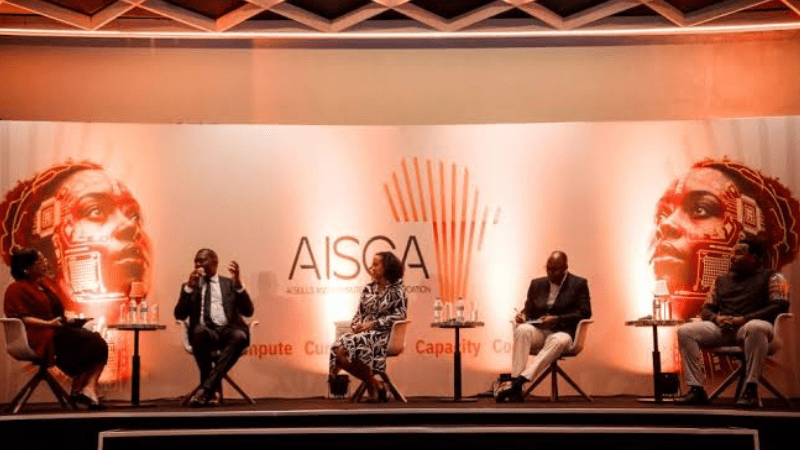
The launch of the AI Skills and Compute Africa Foundation (AISCA) in Kigali this week marks a decisive shift in that narrative. Backed by seed funding from Cassava Technologies, AISCA is a strategic attempt to build the sovereign rails for an African AI revolution.
AISCA aims to transition 1 million African youth into dignified economic opportunities across the AI value chain. On a continent where the median age is 19, this is an economic necessity and a credible attempt to address the missing middle of the African tech stack. The continent has the connectivity (fibre) and the data centres but has lacked the dedicated high-performance computing (HPC) grants that allow a researcher in Nairobi or a startup in Lagos to compete without a credit card tethered to a US-based hyperscaler.
The four pillars of AISCA’s strategy:
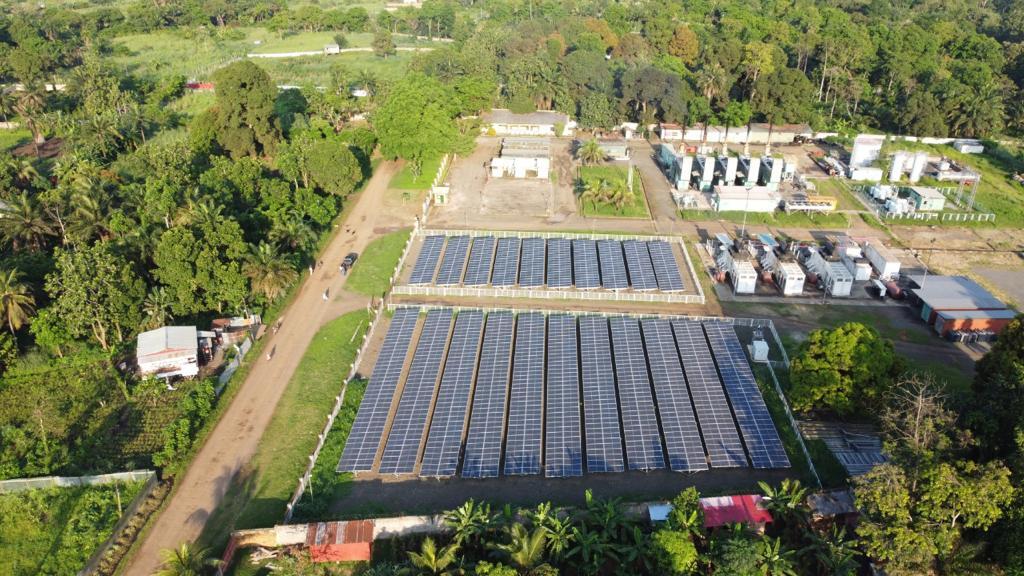
Sovereign Compute: Providing localised infrastructure in partnership with Cassava Technologies to ensure data and processing never leaves African borders.
Curated Data: Developing high-quality African datasets in critical sectors like agriculture, health, and climate, to name a few.
Capacity Building: Scaling AI skills across the entire value chain.
Community: Creating a pan-African network to identify, mentor, and anchor top-tier technical talent.
Why the AISCA Foundation’s launch matters
The most intriguing element of the launch is the emphasis on ‘sovereign compute’. Isobel Acquah, CEO of AISCA, said, “Africa has the talent, ideas, and urgency to lead in applied AI. What has often been missing is access to compute, coordinated ecosystem support, contextualised data sets, and scalable pathways into dignified economic opportunities. AISCA Foundation is designed to help close those interconnected gaps.”
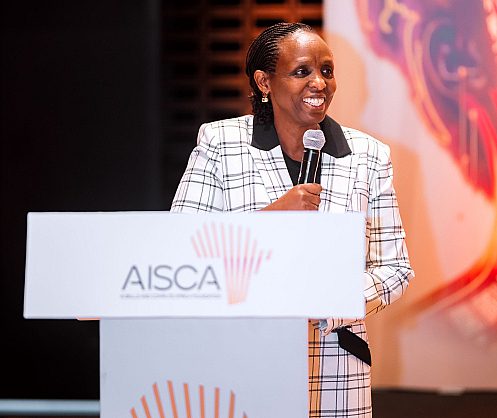
Dr Agnes Kalibata, Chairperson of the AISCA Board, in her remarks stressed that “Africa must begin developing technologies that respond to its own challenges rather than relying on imported solutions that often fail to address local needs.”
This is the “Sovereign AI” argument in action. If you train a crop-disease model on Iowan cornfields, it will likely fail a cassava farmer in Rwanda. By providing 25,000 AI-native innovators and 10,000 researchers with compute grants, AISCA is effectively subsidising the R&D required to build models that actually understand African soil, languages, and logistics.
The timing couldn’t be more critical. Projections for 2026 suggest that AI could add as much as $2.9 trillion to Africa’s GDP by 2030, provided the infrastructure is in place. Without initiatives like AISCA, Africa risks digital neocolonialism, a state where the continent provides the raw data while the value and intelligence are manufactured elsewhere.
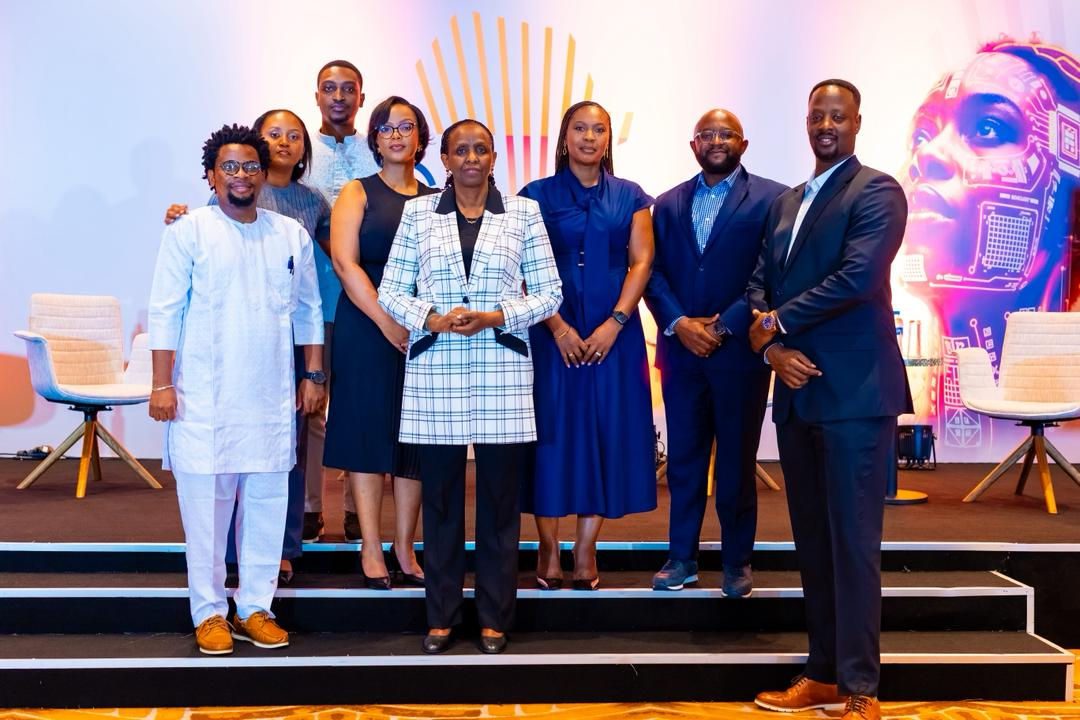
Hardy Pemhiwa, President and Group CEO of Cassava Technologies, put it bluntly: “While Cassava has invested millions of dollars in setting up AI infrastructure, supporting AISCA through enabling access to dedicated compute ensures that we are empowering African youth in utilising the rails to create localised value for their communities in practical and impactful ways.”
Meanwhile, the choice of Kigali as a headquarters is a calculated move. Rwanda has positioned itself as the continent’s regulatory sandbox for frontier tech. By anchoring the foundation there, AISCA benefits from a government that has already fast-tracked AI policy frameworks, making it the ideal staging ground for a pan-African rollout.
Also read: MEST Africa opens applications for $100k AI startup programme
By securing the compute, the data, and the talent pipeline in one fell swoop, AISCA is attempting to leapfrog the traditional developmental hurdles. If they hit their target of 1 million jobs, they won’t just have accelerated Africa’s AI future; they will have secured its economic present.
