




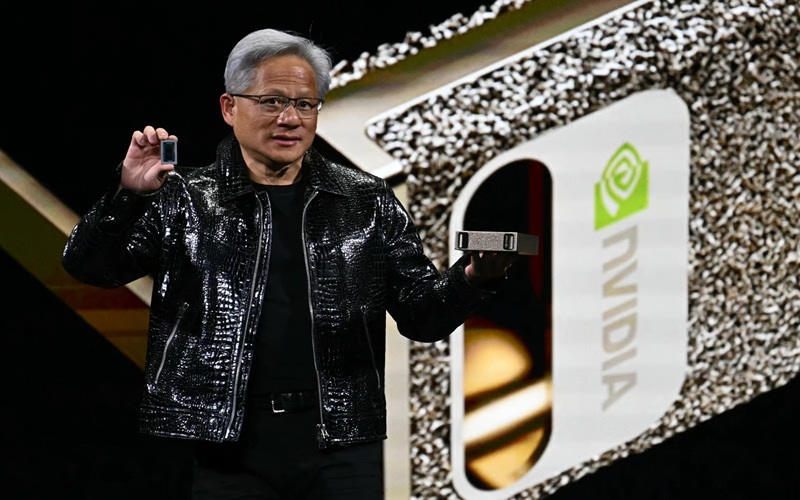
Nvidia has unveiled its first processor designed specifically for Windows laptops. With this, the global chipmaker is entering a market long dominated by Intel and AMD with a chip it says will redefine what a laptop can do for AI, gaming, and content creation.
Called the RTX Spark, the new superchip combines Nvidia’s Blackwell GPU, the same architecture powering its most advanced AI data centre chips, with an Arm-based Grace CPU in a single package. Laptops running the chip will come from major manufacturers, including ASUS, Dell, HP, and Microsoft, with availability expected this autumn.
The chip, which was unveiled at Nvidia’s GTC Taipei event, is also coming to small desktop computers. Nvidia says the RTX Spark will support up to 128GB of memory, a figure that puts it firmly in a different category from most laptops on the market, which typically ship with 16GB.

Even Apple’s top-of-the-line MacBook Pro requires a $5,099 configuration to reach 128GB. Nvidia has not announced pricing yet, though it confirmed the first RTX Spark laptops will target the premium segment, with lower-memory, more affordable versions to follow.
The laptops will be approximately 14 millimetres thin, include high-definition webcams, and offer all-day battery life, a design profile that signals Nvidia is aiming for the kind of sleek, professional form factor that has made MacBooks aspirational for a generation of users.
Why gaming and software compatibility are the real tests for Nvidia
The company got its start as a gaming company and built its global reputation on graphics chips that power the world’s most demanding games. The RTX Spark carries that legacy, but it also carries a real challenge: the Grace processor inside it is built on Arm architecture, not the x86 architecture that Intel and AMD use and that the vast majority of Windows software has been built to run on.
That is not a new problem. Qualcomm’s Arm-based chips already power a growing range of Windows laptops and can run most apps well, but it took years of work with Microsoft and developers to get there.

Nvidia says it has been doing the same groundwork, partnering with software companies to ensure their applications run natively or through emulation on RTX Spark systems.
Gaming is the sharpest test. Anti-cheat software, the technology game developers use to stop hackers, has historically been one of the hardest things to get working on non-x86 chips. Nvidia says it is working directly with major game studios to ensure both their titles and their anti-cheat systems function properly on the new chip.
Similar read: Nvidia raises the bar with strong Q2 revenue forecast
The company is also bringing its DLSS technology to RTX Spark laptops. This AI-powered feature boosts game performance by generating frames intelligently rather than rendering every one from scratch.
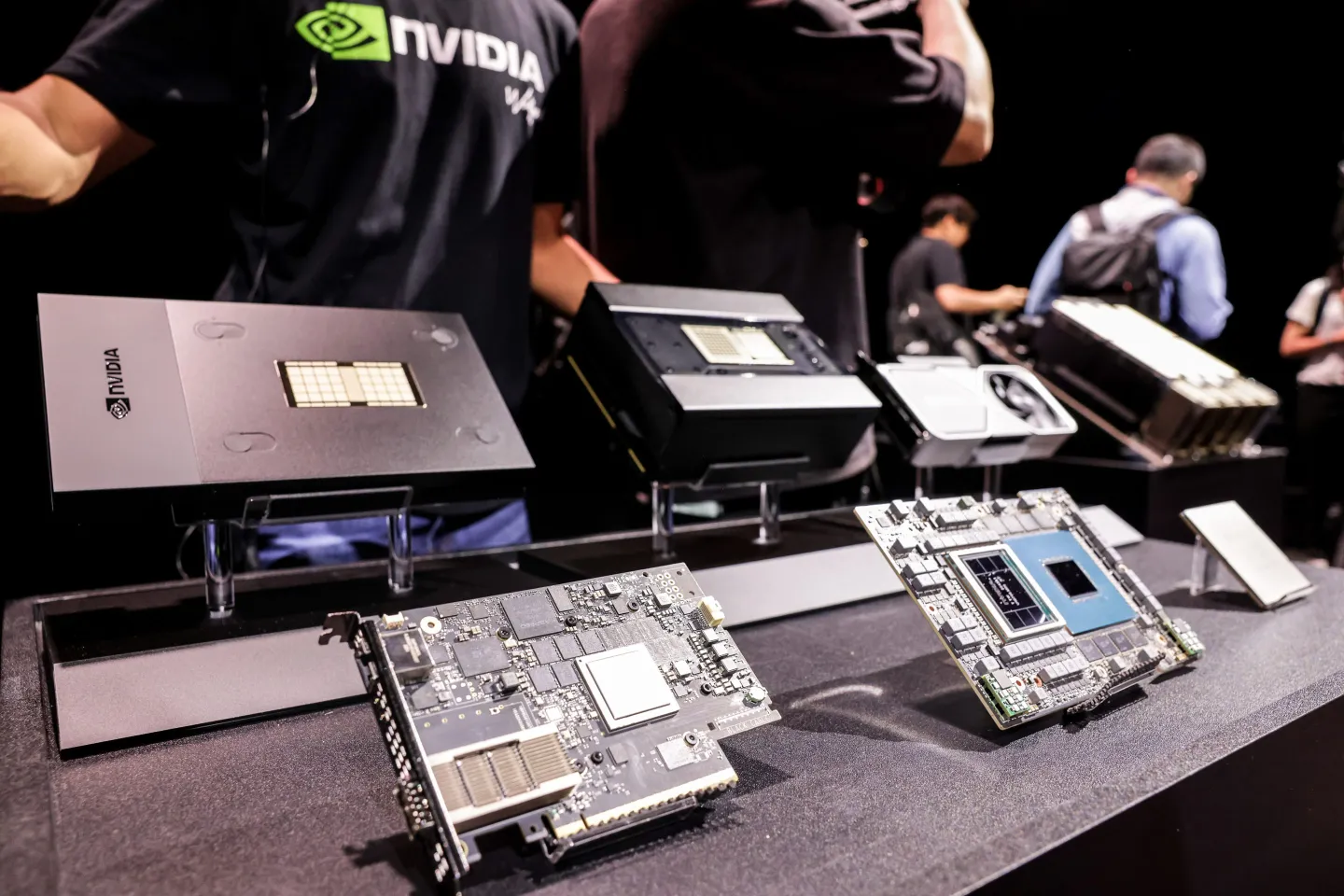
If Nvidia can deliver on gaming, AI workloads, battery life, and software compatibility simultaneously, the RTX Spark could represent the most significant shift in the Windows laptop market in years. That is a lot of promises to keep, but it is exactly the kind of bet that has made Nvidia the most valuable chipmaker in the world.
