



The National Identification Number (NIN) and Bank Verification Number (BVN) have become key identifiers as Nigeria continues to strengthen its financial and national security frameworks. They have also become essential for everyday transactions and know-your-customer (KYC) processes.
While these systems are primarily associated with identifying Nigerians, questions have increasingly emerged about how they apply to foreigners living, studying, or working in Nigeria. This becomes particularly important for foreigners who work, invest, or conduct business in Nigeria.
Notably, the acquisition of NIN and BVN by foreigners has always drawn significant national conversation and public controversy. This stems from the unlawful and fraudulent use of these identifiers and from how unqualified foreigners obtain them through dubious means.
In early 2025, the Federal Government, through the National Identity Management Commission (NIMC), sparked intense debate after revealing that over 6,000 citizens from the Niger Republic had successfully registered for and obtained Nigerian NINs. Then, critics raised alarms, fearing that foreigners were infiltrating the database to illegally access social intervention funds, student loans, or claim Nigerian citizenship.
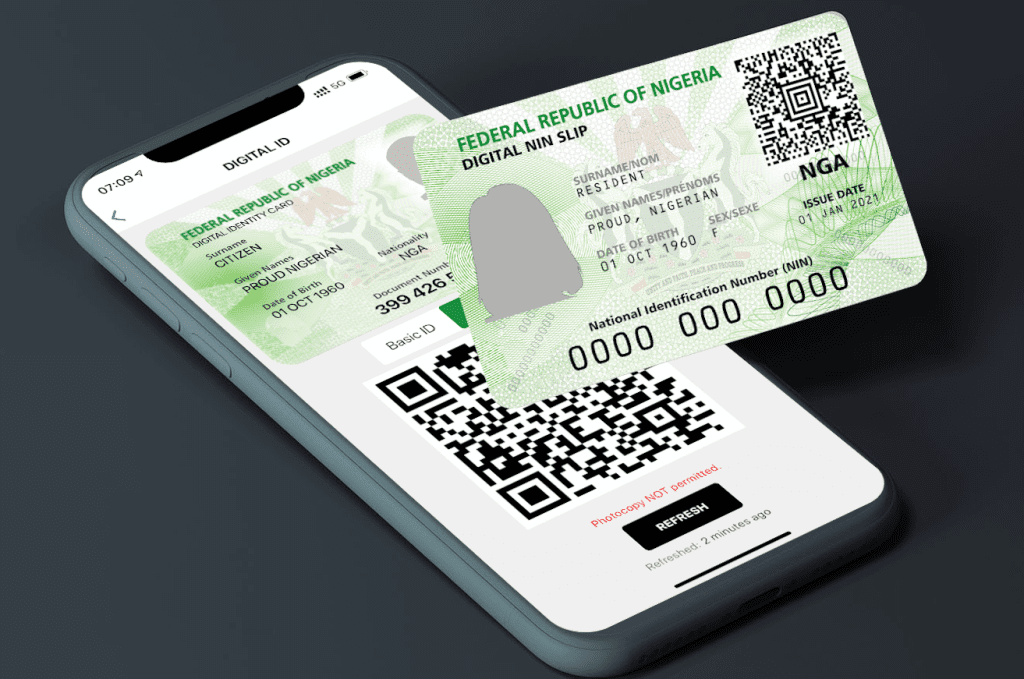
In response, President Bola Tinubu ordered an immediate audit and directed the NIMC to eliminate the illegal entries. Months later, Interior Minister Olubunmi Tunji-Ojo confirmed that the NINs had been revoked and removed from the affected records.
Also, around the same period, a separate financial system controversy emerged when a report by the Nigeria Inter-Bank Settlement System (NIBSS) revealed that fraudulent actors had looted ₦329 million using fake BVN registrations.
In their mode of operation, unscrupulous enrollment agents had bypassed security by using static photos of both Nigerians and foreign individuals to generate active BVNs. This allowed bad actors to open fraudulent bank accounts across various microfinance and fintech platforms.
Also Read: Why Nigeria’s ₦2 trillion NIN-SIM project falls short in tracing kidnappers and terrorists.
The biometric abuse triggered stricter Central Bank of Nigeria (CBN) regulations. While fraudulent and unauthorised use of NINs and BVNs has raised concerns about identity verification, including eligible foreign residents in Nigeria’s identity and financial systems is important in an increasingly connected economy.
In addition, including every resident in its database allows for proper intervention plans towards achieving a $1 trillion economy by 2030.
Can foreigners own Nigeria’s NIN and BVN?
Legitimate foreigners who legally reside and do business inside Nigeria can legally own both NIN and BVN, but they must do so following rigid, live biometric protocols.
In an increasingly interconnected economy where layers are required for building digital infrastructure and connecting citizens to government and private projects, compliance with local identification frameworks is vital for foreign nationals operating within Nigeria.
On NIN
According to the National Identity Management Commission (NIMC), all legally resident foreigners are required to register and obtain a NIN.
Who is eligible: Foreigners holding valid residence and work permits, such as the Combined Expatriate Residence Permit and Aliens Card (CERPAC).
Statements on the Nigerian Communications Commission’s (NCC) website provide more clarification.
“All legally resident foreigners (i.e. non-Nigerians living and working in Nigeria) are to obtain a NIN just like Nigerian citizens. They can do this by submitting valid resident/work permits at NIMC enrolment centres. However, foreigners on tourist or visiting visas are to tender their international passports to acquire a SIM. But where such a visiting foreigner or tourist’s immigration status changes to residency or a work permit, he/she will be required to obtain a NIN and link the registered SIM.”
Who is exempt: Short-term visitors or tourists on short stays do not qualify for a NIN. They use their international passports for identification, such as when buying a temporary SIM card.
Identification requirements for obtaining a NIN: A valid international passport and a valid residence/work permit. However, having a NIN does not confer Nigerian citizenship but simply serves as a legal identification number within the country.
On BVN
A foreigner can obtain a BVN if they intend to open and operate a personal bank account within Nigeria.
Who is eligible: Any foreigner legally living in Nigeria who needs to open a standard commercial bank account.
Requirements: A valid international passport, residence/work permits (CERPAC), passport photographs, and a filled enrollment form from any local bank branch of choice.

For Nigerians living outside Nigeria, the CBN’s Non-Resident BVN (NRBVN) platform allows them to obtain a BVN remotely. Foreign nationals residing in Nigeria should follow the applicable in-country banking and BVN enrolment requirements of their financial institution.
Also read: CBN launches NRBVN to streamline BVN enrollment for non-resident Nigerians; See how to apply here.
The current state of the national identity system
The drive to build a single Nigerian database gained new heights after the signed National Identity Management Commission Act 2026 took effect, replacing the 2007 law. This comes after the NIMC noted that more than 136 million Nigerians and legal residents have now been enrolled on the Nigerian Identity Database.
The law is an effort to build a digital economy where citizens can access government services, empowerment programmes and various social intervention funds using a single trusted identity.

In addition, the “one person, one identity” policy solidifies the NIMC’s role as the only Nigerian authority for digital identity, with the power to enforce digital protection and cybersecurity measures and to prosecute persons or businesses printing fake NIN plastic cards.
While the push for nationwide digital identity continues, more than 136 million people are enrolled in the database, leaving Nigeria with a significant gap to close against its broader population. Nigeria aims to enrol 180 million people for their NIN by December 2026, meaning the country is still short of that target with about three months and 2 weeks left.
