




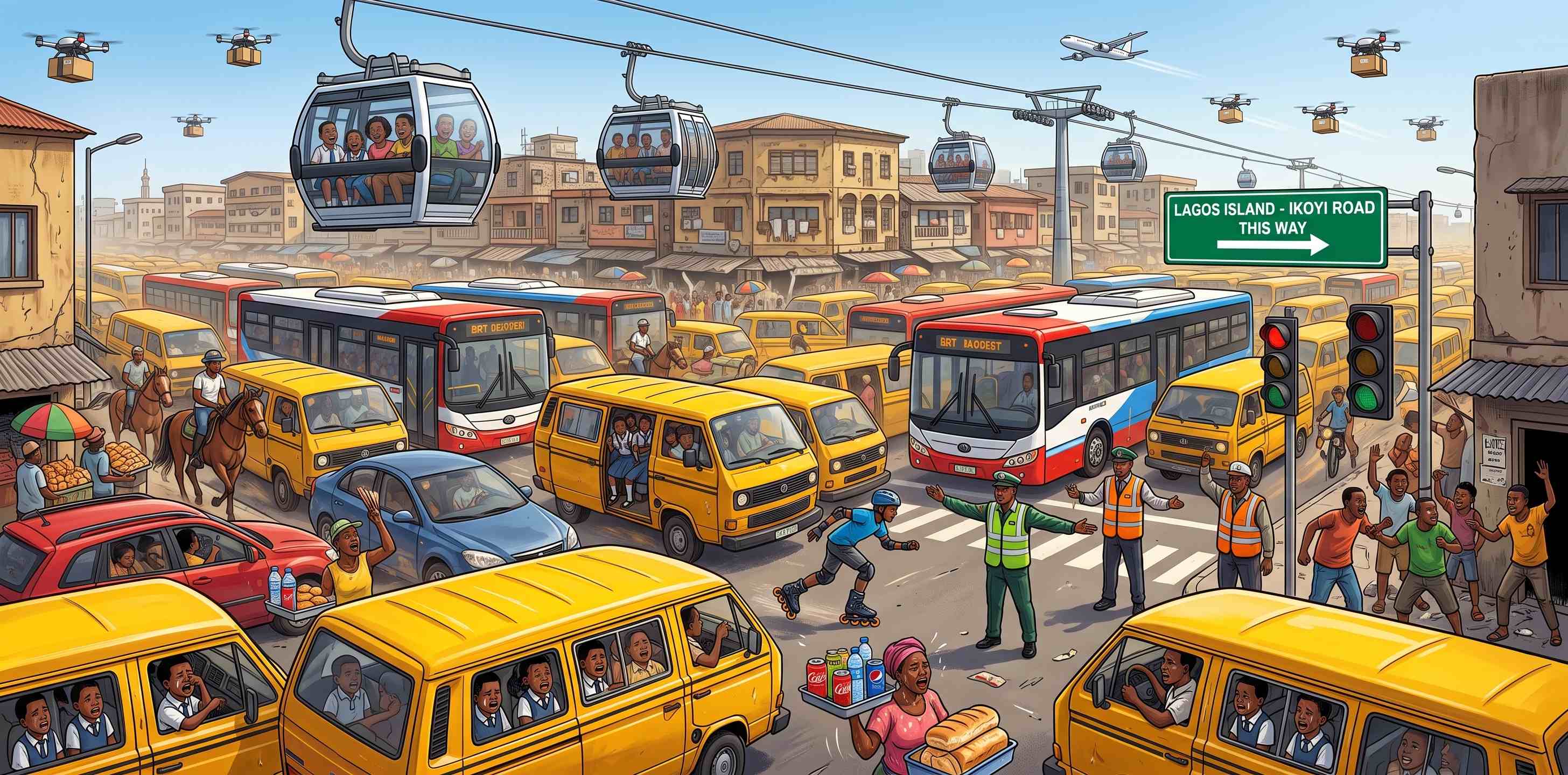
Lagos traffic has a way of making Nigerians question every transportation decision they have ever made.
You leave home as early as 5:00 A.M. because you have an 8:00 A.M. meeting. You check Google Maps, see a sea of red, and tell yourself, “Let me just enter the road first.” Three hours later, you are still somewhere between Ojota and Maryland, watching the same danfo, the same billboard and, somehow, the same person in the next car.
In September, that frustration reached another level when repairs on the Kara Bridge coincided with a major accident, sending traffic spilling far beyond the Lagos-Ibadan Expressway. Berger, Ojota, Maryland, Ikeja and other major routes became caught in the chaos, leaving some commuters stranded for hours while others abandoned their vehicles and trekked to their destinations.
TheCable reported motorists spending between six and 14 hours in traffic, with one commuter saying a journey that normally took 20 to 30 minutes had stretched to nine hours. Some people trekked to escape the gridlock, while others reportedly slept in their vehicles.
And then there was the cost of escaping the traffic.
PUNCH reported that the fare from Iyana-Oworo to Berger rose to ₦2,000 from the usual ₦500–₦700, while the fare from Iyana-Oworo to Mowe reportedly increased to ₦3,000 from about ₦1,200. Channels also reported fares reaching ₦4,000 from Berger to Oshodi and ₦3,500 from Berger to Mowe.
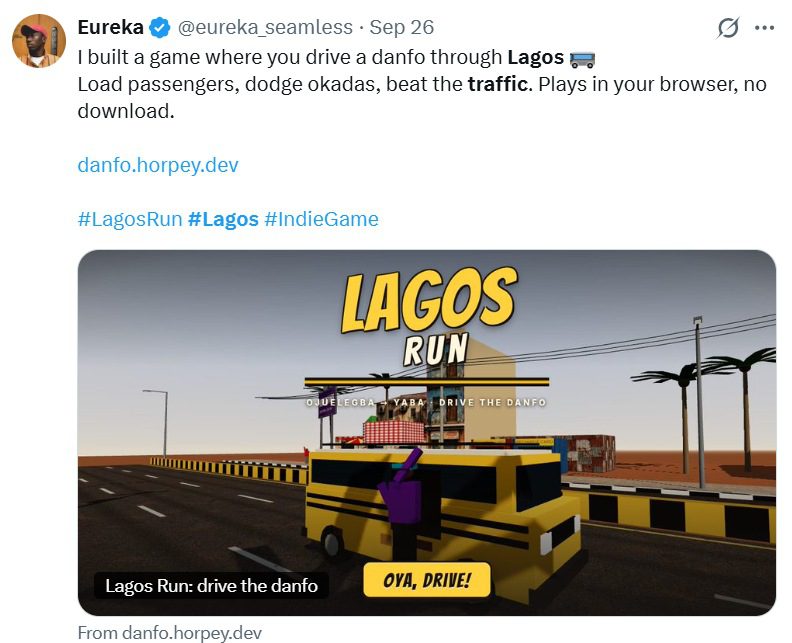
Amidst all of these, Eureka Seamless launched Lagos Run, a browser game that lets players drive a danfo through Lagos, load passengers, dodge okadas and battle the city’s infamous traffic — without downloading anything. It is almost the most Lagos thing possible: if you cannot escape the traffic in real life, you can at least try to beat it in a game.
For many Lagos residents, the experience raised the same familiar question: what if there was simply another way to move around the city?
We asked Nigerians what alternative forms of transportation they would choose if they could escape Lagos’ roads altogether. If you have ever thought of flying to the office when you’re stuck in Lagos traffic, maybe you can explore these options.
1. Horses

This may sound like a journey back in time, but horses are still seen in cities such as Rome, Vienna and Salzburg. However, they are now largely associated with tourism rather than everyday commuting.
Interestingly, a few people said they spotted Lagosians using horses during the September traffic chaos. Even when the roads are moving normally, horse riding and horse-drawn transport can still be seen in parts of Nigeria.
It may not be the most realistic solution for a busy city like Lagos, but the idea shows that not every form of transportation needs petrol, diesel or a battery to get you moving. And of course, Lagosians would need to consider road safety, animal welfare and whether such a system makes practical sense before expanding its use.
2. Metro or subway systems
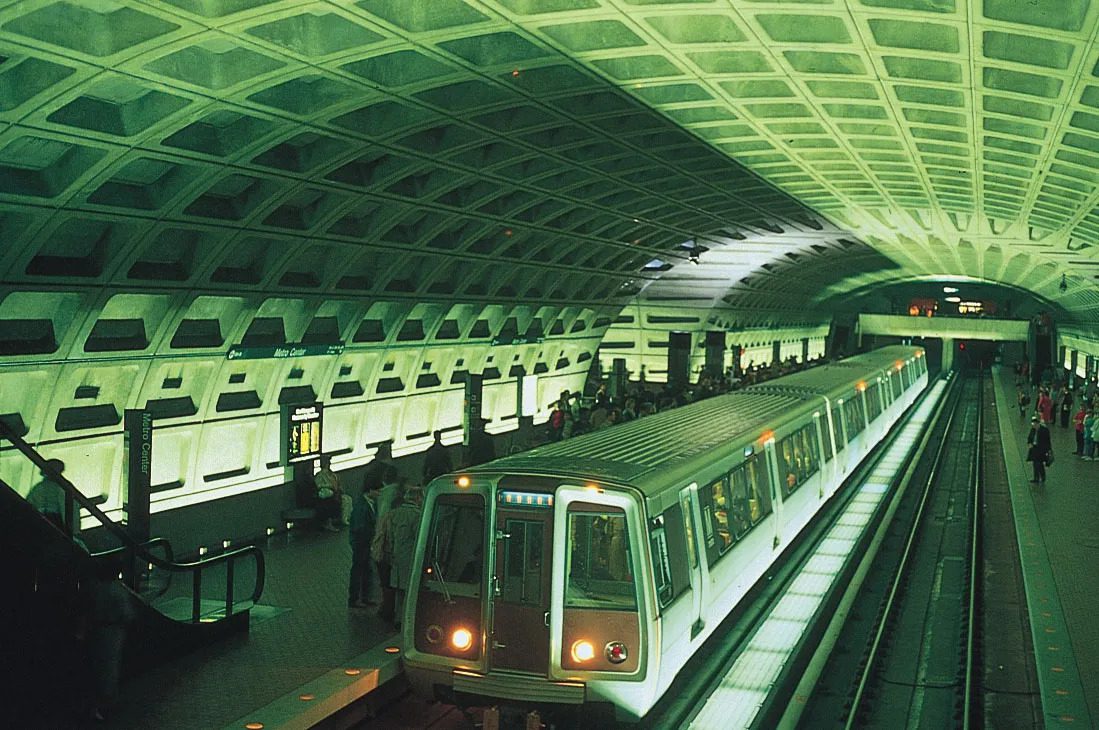
This is the ultimate “let the traffic happen above you” option. A metro transports passengers along dedicated rail lines, either underground or on elevated routes.
Instead of sitting behind hundreds of cars on the road, commuters can travel beneath or above them. Building a subway is expensive and technically demanding, but cities around the world use metro systems to move huge numbers of people every day.
3. Bicycle taxi
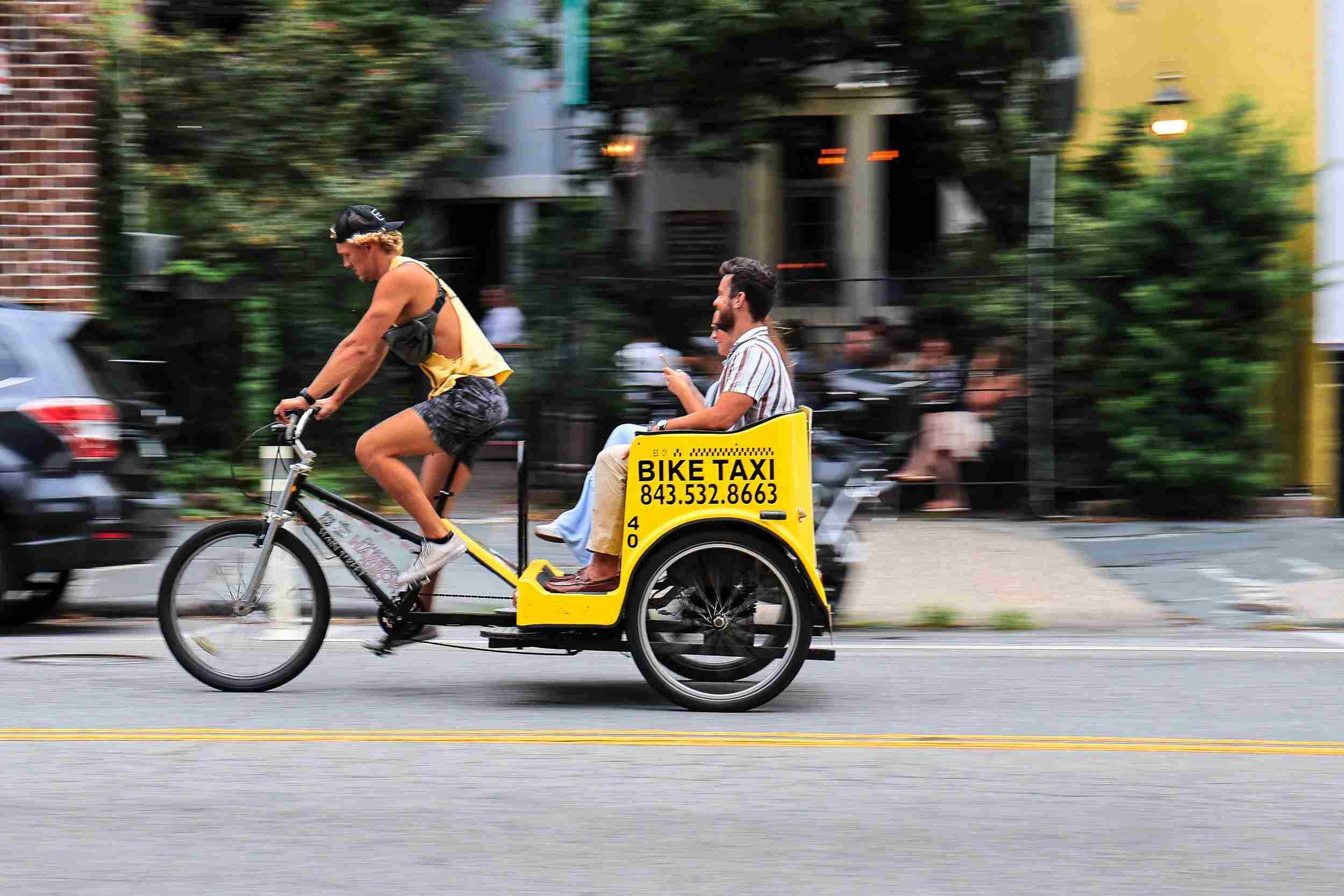
A bicycle taxi is exactly what it sounds like: a passenger gets on a bicycle, and a rider takes them to their destination. Because bicycles are small, they can take up far less space than cars and can be useful for short journeys through congested areas.
A few people also mentioned seeing bicycles being used to move around during the September gridlock. And this is hardly a strange concept globally. Bicycle taxis and cycle rickshaws are used in countries including Bangladesh, Indonesia, Vietnam, Cambodia, the Philippines and parts of Africa.
For Lagos, the bigger question would be whether safer cycling infrastructure could make this more practical. If more people could use bicycles for short trips without having to worry about competing with cars and buses, it could take some pressure off the roads.
4. Trams
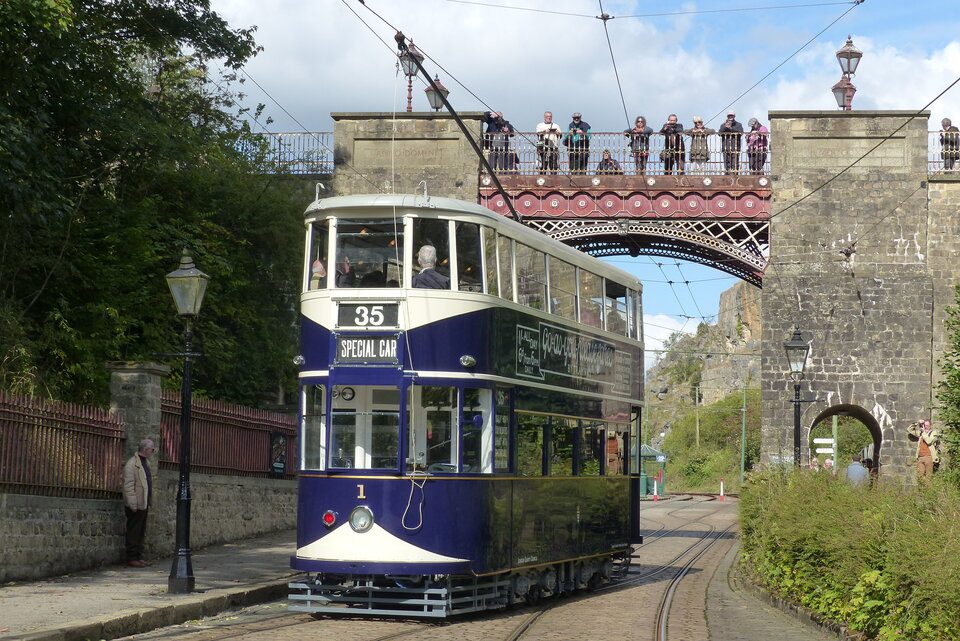
Think of a tram as a train designed for the city. It usually runs on its own tracks along urban streets or on a dedicated route and can carry many passengers at once.
A well-planned tram network could connect busy parts of Lagos while reducing the number of private cars competing for major road spaces.
5. Skating
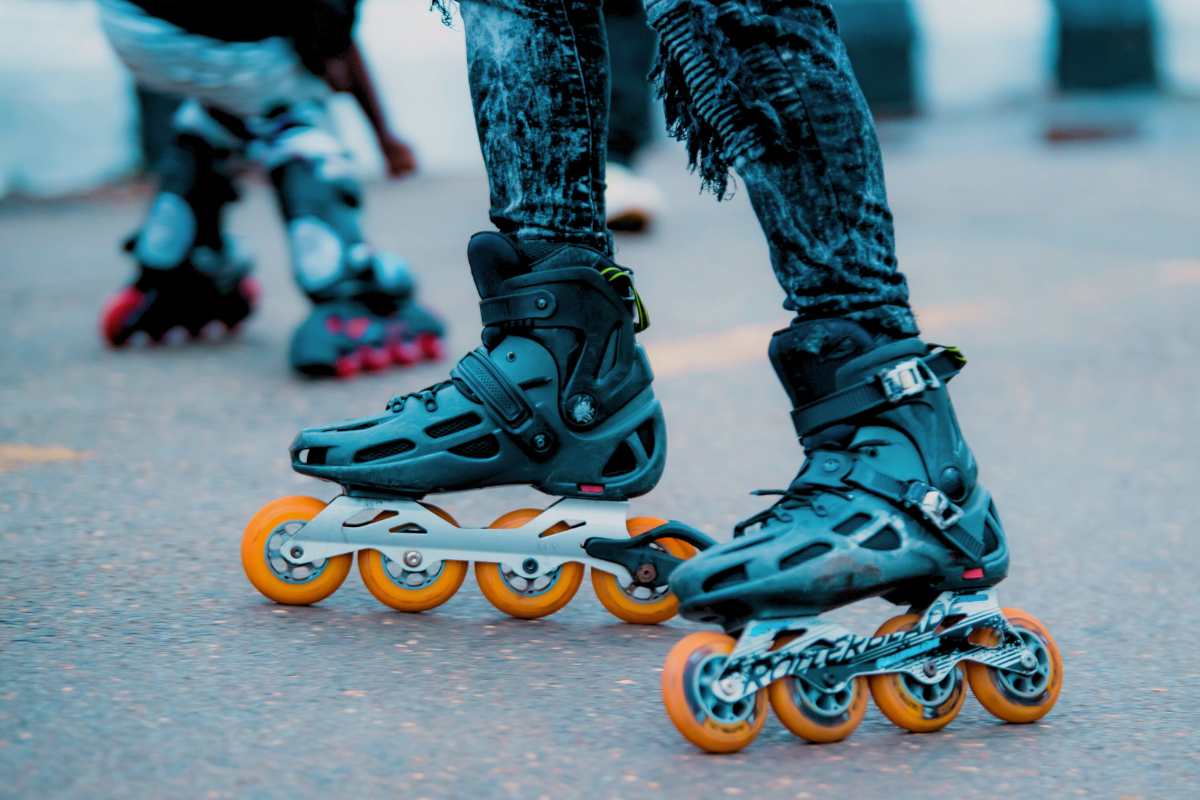
Now this is where the list gets interesting. A skateboard takes very little space, needs no fuel and can get someone across a relatively short distance without adding another car to the road. The same applies to skating shoes or roller skates, which allow people to move on foot while still travelling faster than they would normally walk.
Some people may laugh at the idea of skating to work in Lagos, but skateboarding and roller sports are increasingly recognised as forms of urban mobility, particularly for the first and last parts of a journey.
So, no, we are not suggesting that someone should skateboard from Ikeja to Lekki. But if you live a few kilometres from work, school, a train station or a bus stop, a skateboard or a pair of skating shoes could become another way to cover that final stretch. Make sure you learn how to skate first, anyways.
6. Trains
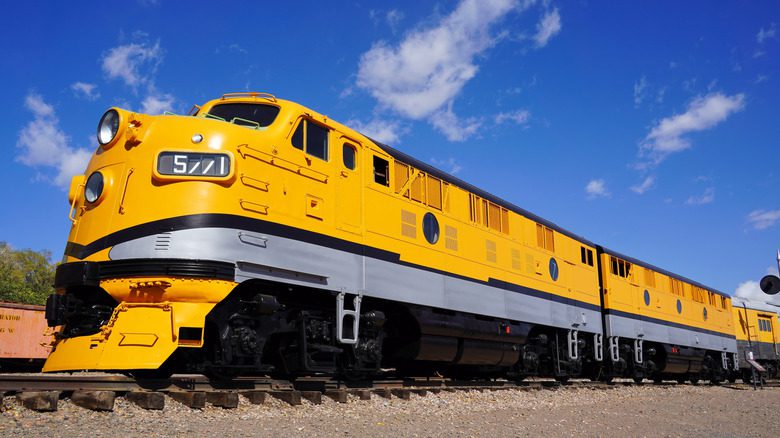
This is perhaps the option Nigeria should consider more seriously. Unlike cars and buses, trains can move large numbers of people without putting hundreds of additional vehicles on the road.
Nigeria already has railway infrastructure and trains, but expanding and upgrading the rail network could give Lagosians another reliable way to travel long distances without putting another car on the road.
If Nigeria can make trains more available, reliable and connected to buses, people would have more reasons to leave their cars at home.
7. Scooters
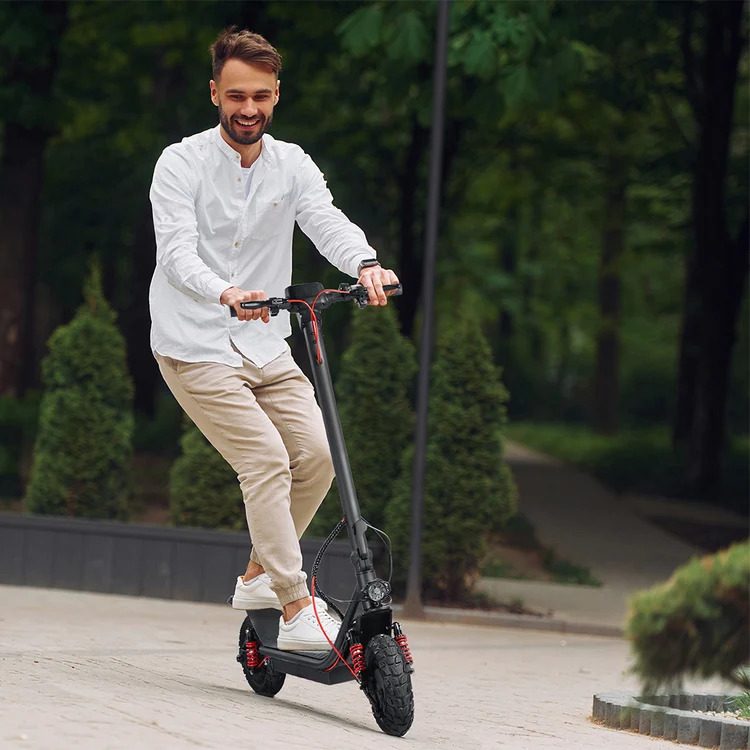
Scooters offer another personal way to move around. They are smaller than cars, require less space and can be particularly useful for short trips or for covering the distance between a major transport stop and your final destination.
Some Lagosians reportedly turned to smaller, two-wheeled options during the September traffic chaos, precisely because being stuck inside a car was becoming unbearable. And scooters are already part of urban transport systems in cities around the world.
For Nigeria, scooters could be useful as a personal and relatively low-cost option, particularly for short distances. The challenge, again, is creating roads and regulations that allow people to use them safely.
8. Aerial cable cars
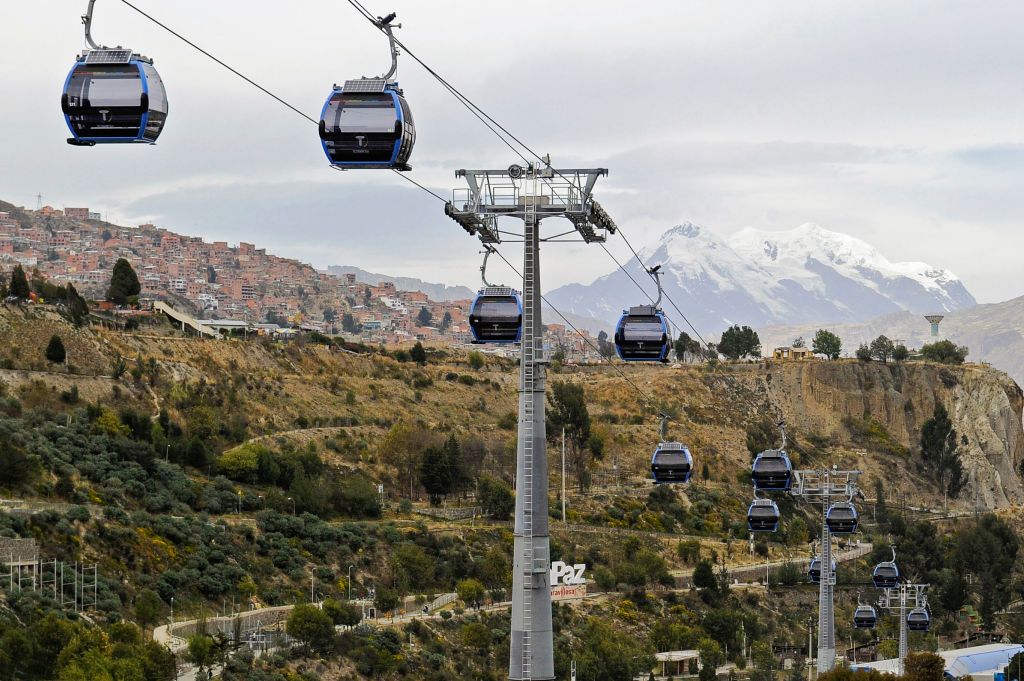
Imagine getting into a small cabin and travelling above the traffic instead of sitting in it. That is essentially what an aerial cable car does. The cabins are suspended from cables and move between stations, making them useful for connecting places where building another road or rail line could be difficult.
Building one, however, requires more than simply putting cables across the city; it needs strong supporting towers, stations, electric drive systems and a reliable power supply to keep the system running.
Nigeria could explore a mix of grid electricity, solar power and battery storage to support such systems, particularly in areas where power supply is unreliable. Depending on the design, each cabin can carry several passengers at a time, allowing hundreds or even thousands of people to be moved along a route every hour without adding more vehicles to the road.
9. Powerbikes
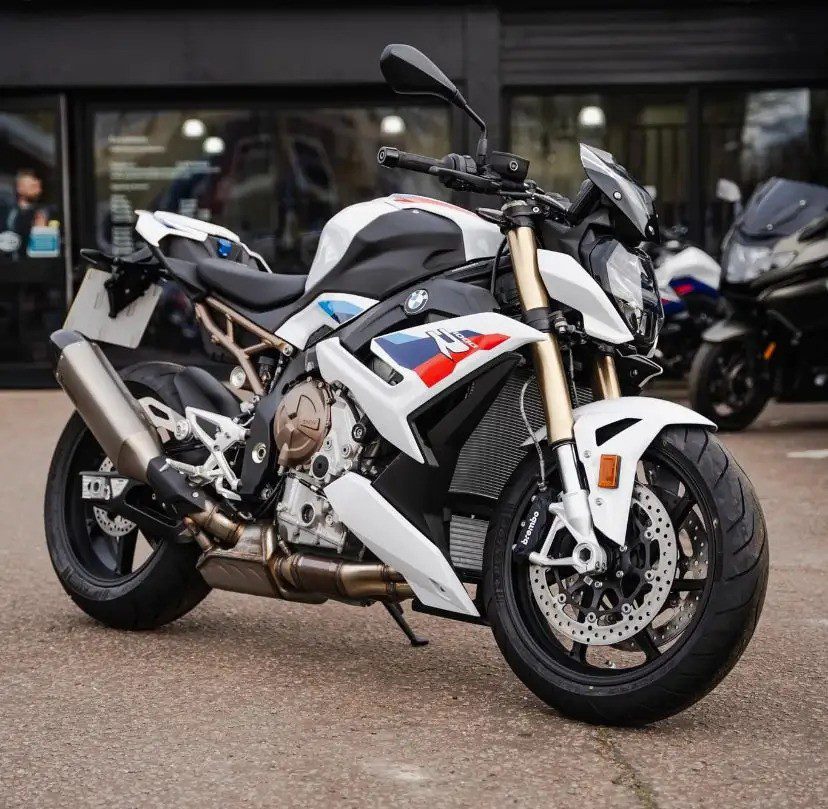
When Lagos traffic becomes impossible, the smaller the vehicle, the more tempting it becomes. Powerbikes can carry one or two people while taking up considerably less road space than a car or bus. This is why motorcycles have become such a familiar part of Nigeria’s urban transport story.
Electric powerbikes could make the idea even more interesting by reducing dependence on petrol. They are not a solution to every transport problem when it comes to safety, regulation, charging and road infrastructure, but for short trips, a personal two-wheeler can give commuters more flexibility than sitting in a car that has barely moved for an hour.
10. Drones
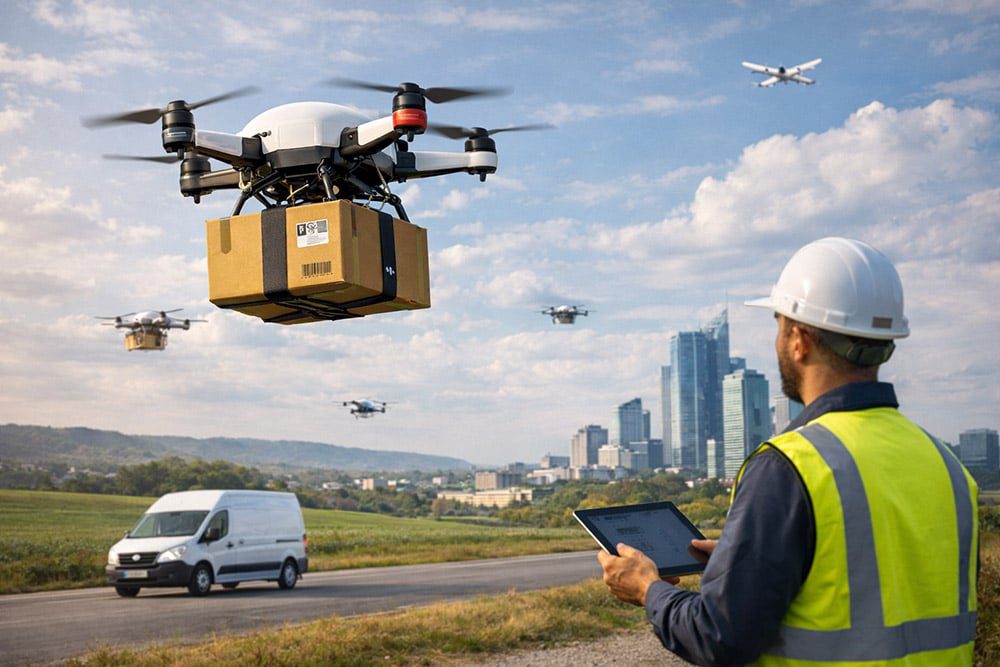
This is where the list gets properly futuristic. Rather than having thousands of dispatch riders on the roads at the same time, Nigeria could make greater use of drones to deliver light items like documents, medical supplies, small packages or other urgent deliveries.
If a document needs to move from one part of Lagos to another, a drone would not need to sit in traffic at all. This would not solve the commuter problem directly, but it could reduce some of the delivery traffic clogging up the roads.
Read also: Identity theft: How roadside SIM vendors could land you in jail for crimes you didn’t commit
