


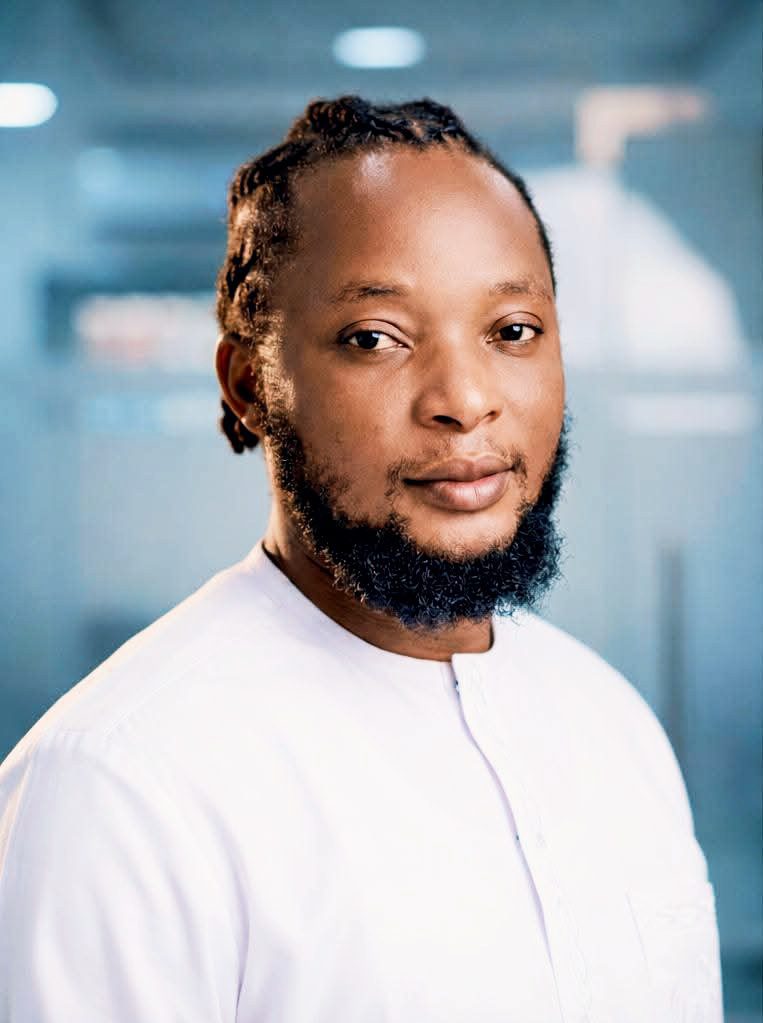
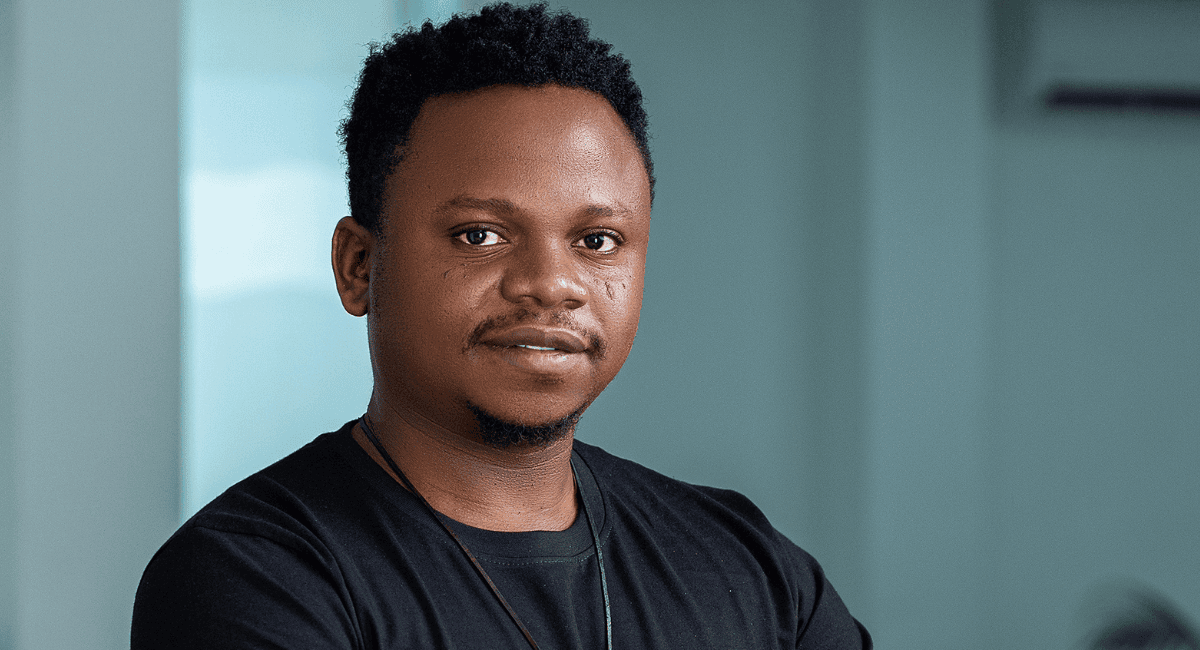
Adewale Yusuf, the chief executive officer and co-founder of pan-African edtech startup AltSchool Africa, has stepped down as CEO. Yusuf is transitioning to a seat on the company’s board of directors and handing over the operational reins to his co-founder, Sultan Akintunde, who will officially become the new CEO.
The leadership transition marks a watershed moment for the five-year-old company, which originally launched as a technical recruitment and outsourcing firm, TalentQL, in late 2020 alongside fellow co-founder Opeyemi Awoyemi before pivoting into digital education in October 2021.
For Yusuf, the decision to step back from daily operations is primarily personal: after more than three years of constantly commuting between the United States and Africa, he is prioritising stability and time with his growing family.
“I’m still with AltSchool, but simply transitioning into the board,” Yusuf said in an exclusive chat with Technext.
“Personally, I just want to spend more time in the US now with my family. For the last three years, I’ve gone back and forth a lot, and personally, it’s not sustainable for me. My children are also getting to a stage where I want to spend more time with them. Of course, the team is capable. We’ve been testing this transition for a while now, and honestly speaking, they have been the ones leading the team and driving all the innovations.”

Despite the change at the top, Yusuf emphasised that both the corporate structure and the foundational vision of the business remain intact. TalentQL will continue to operate as the parent corporate institution, the entity that “writes the checks”, underpinning AltSchool Africa.
Because Akintunde has helped build the business since day one, Yusuf noted that the handover represents operational continuity rather than a disruptive strategic overhaul.
“The direction will be improved; it’s not a new direction,” Yusuf explained. “Sultan is my co-founder; he’s been there since day one. There’s no decision I make that we don’t agree on; he is just now at the forefront of it. He also has some exciting things he’s launching, and we are using this opportunity to roll them out.”
AltSchool is becoming the “edX of Africa” with global degree pathways
Coinciding with Akintunde’s appointment as CEO, AltSchool Africa is unveiling its most ambitious academic expansion to date: a formal degree pathway designed to position the startup as the “edX of Africa”.
Under the new model, AltSchool has already onboarded two partner universities, enabling learners to complete their foundational diploma at AltSchool and seamlessly transfer their credits to partner local and international universities to earn full bachelor’s degrees.
Crucially, the partnerships are structured around localised tuition pricing, removing the prohibitive financial barriers and relocation costs typically associated with studying abroad while giving African students access to global curricula and faculty from their home countries.
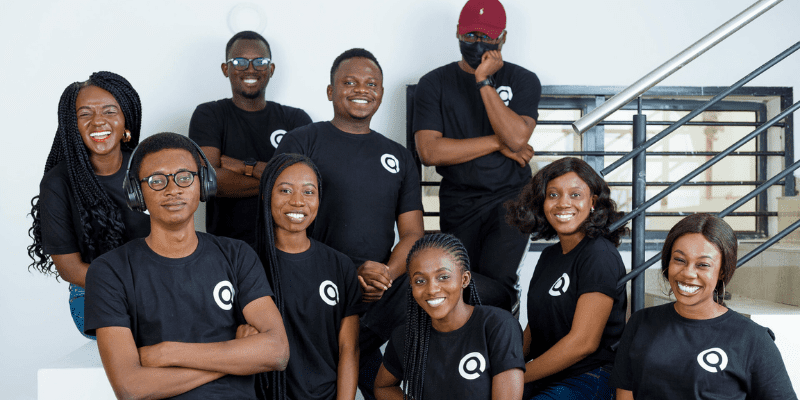
“We’ve already onboarded two universities, and we are moving towards becoming like the edX of Africa,” Akintunde, the new CEO, shared during the interview.
“Students can come to AltSchool first, finish their diploma, and then transfer to any of our partner universities to continue their degree. Schools that are ordinarily out of reach will be attainable at affordable prices because our partnerships allow for local pricing. Instead of moving to the UK and paying £20,000 for a degree, imagine paying only around £8,000 while you’re still in Nigeria, getting the same degree and the same lecturers.”
Five years at the helm: Yusuf’s AltSchool legacy
Yusuf steps aside from daily operations after transforming AltSchool from an experimental coding bootcamp, born out of TalentQL’s realisation that competing for a small pool of senior African engineers was unsustainable without training entry-level talent, into an accredited, multi-disciplinary digital institution.
Under his tenure, AltSchool scaled from its initial 2021 cohort to training over 100,000 learners across more than 75 countries, establishing strong operational footprints in Nigeria, Kenya, Rwanda, and Ghana.
To fuel that expansion, Yusuf led the startup to raise over $4 million in venture and community backing, beginning with a $1 million pre-seed round in February 2022 backed by Voltron Capital, Nestcoin, Pledges, and Odunayo Eweniyi, followed by a $3 million seed round in April 2023 involving Techstars and Angaza Investment Management.
In February 2024, AltSchool solved a major cultural hurdle for African parents who demand formal credentials by securing full international accreditation from the UK’s Accreditation Service for International Schools, Colleges, and Universities (ASIC), alongside local university partnerships.
Under Yusuf, the startup also expanded its curriculum beyond software engineering into data, product, business, and the creative economy, enlisting industry figures like Falz, Mr Macaroni, and Joey Akan in late 2023, before launching AltSchool Europe in December 2024 to offer AI-focused hybrid programmes across more than 12 European markets.

His tenure was equally defined by B2B infrastructure plays and rapid product agility. Alongside launching an education API in 2023 for institutional partners across West Africa and striking a December 2025 partnership with crypto exchange Luno to train 15,000 Nigerians in blockchain and digital assets, Yusuf steered a decisive product pivot in September 2025 by launching self-paced $30 “Nano-Diplomas” and localising coursework into Hausa, Yoruba, Igbo, Swahili, and French.
Yusuf’s exit from day-to-day management of AltSchool Africa mirrors his founder playbook.
In November 2020, after spending nearly six years building Techpoint Africa into one of the continent’s most influential technology publications and event organisers, he stepped down as CEO to tackle Africa’s tech talent deficit, a cycle he now repeats as he hands AltSchool’s next institutional chapter over to Akintunde.
