





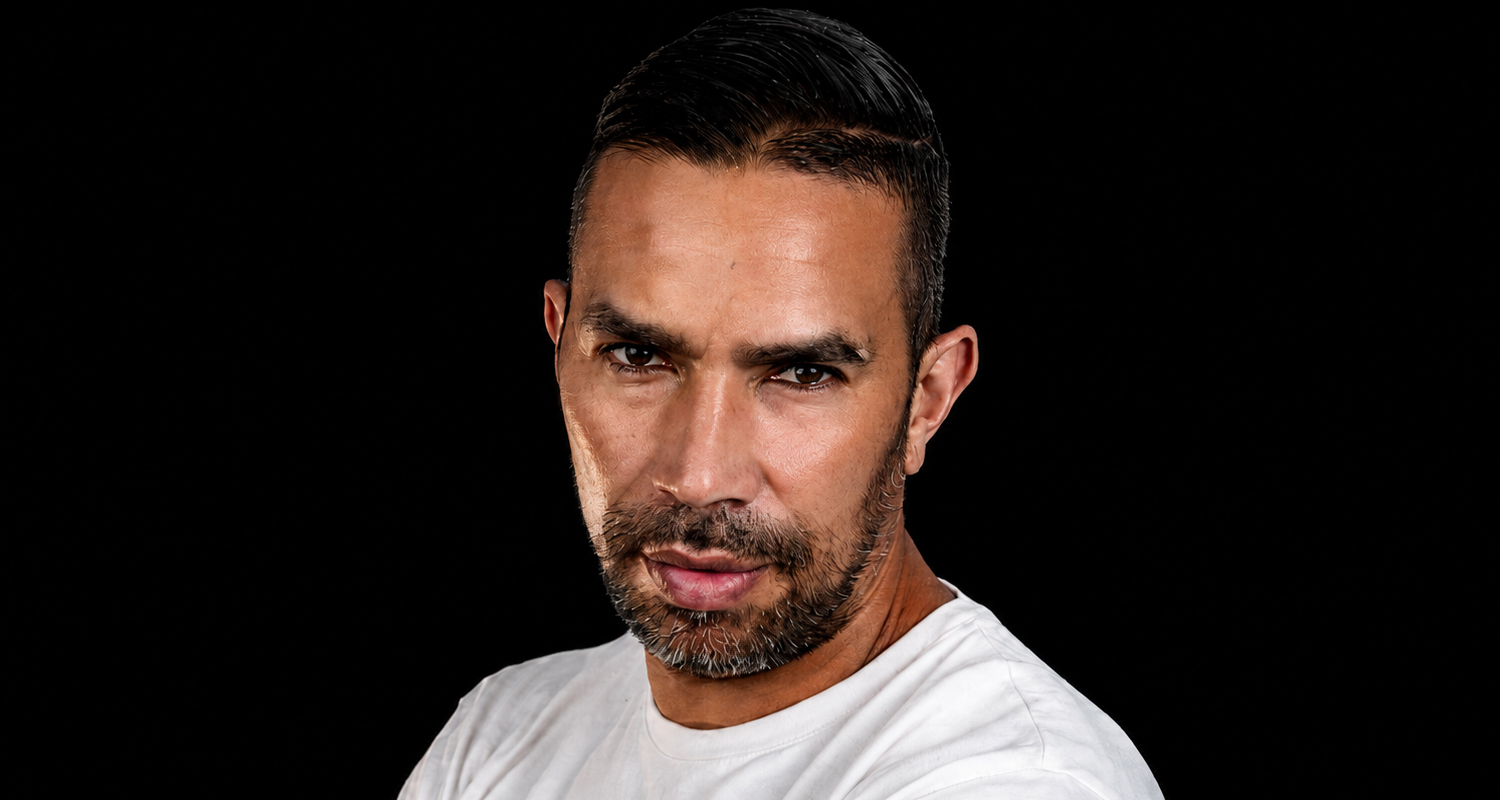
Africa Bitcoin Corporation co-founder and CEO Warren Wheatley has resigned after South Africa’s Financial Sector Conduct Authority fined him $307,750 and debarred him from the financial services industry for 20 years. This stems from three trades involving 50 shares, worth a combined $18.53, executed in September 2022. The case has raised pointed questions about how Africa regulates its crypto and listed companies, and whether the punishment fits the offence.
The FSCA also debarred Wheatley’s wife, Tatum Keshwar-Wheatley, and the company’s Chief Investment Officer, Akshay Karan, imposing fines of $123,100 and $184,650 on them, respectively. The regulator’s position is direct.
“Through their coordinated conduct, they created an artificially inflated share price and a deceptive appearance of the demand for, supply of, or trading activity in Altvest shares,” the FSCA said.
At the time of the alleged conduct, the company was listed on the Cape Town Stock Exchange as Altvest Capital. It has since transferred its primary listing to the JSE AltX and rebranded as Africa Bitcoin Corporation, building a Bitcoin treasury strategy at the centre of its investment model.
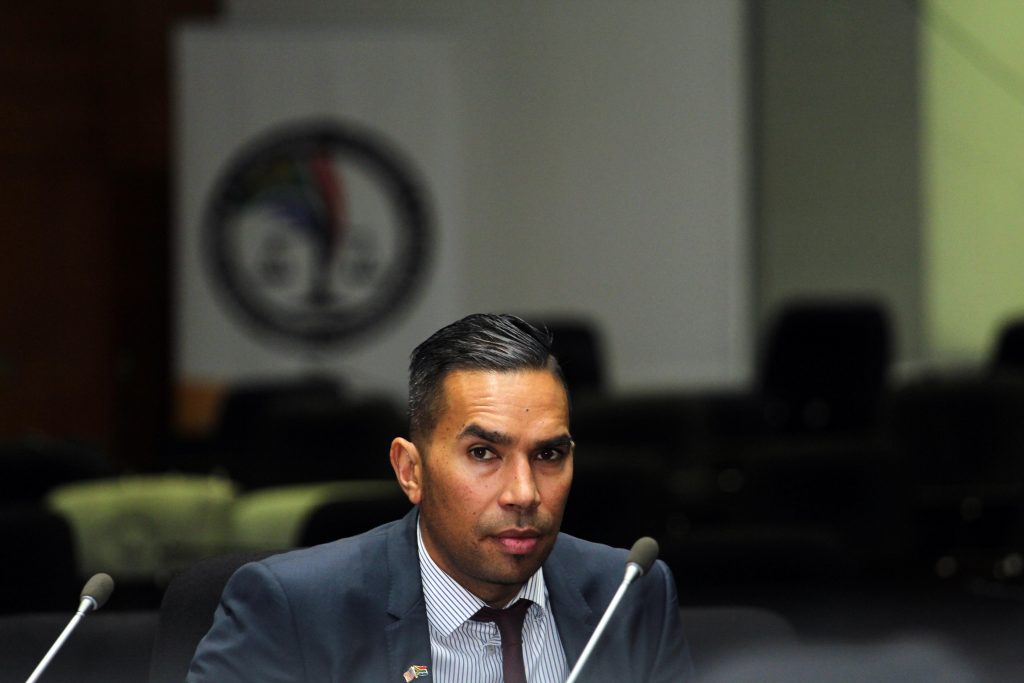
Wheatley’s account tells a different story. In an open letter to staff, the board, and investors following his resignation, he said the trades were made while testing a stockbroker platform that had historically not functioned correctly. The test resulted in three trades for a combined 50 shares worth $18.53 in total, and he has not sold shares in the company since.
“That 50-share trade worth a total of $18.53 has resulted in a fine of millions and debarment from the industry just as I was about to enter the most productive period of my career,” he said.
What the case reveals about crypto regulation in Africa
The FSCA’s mandate under the Financial Markets Act gives it broad powers to investigate and sanction market abuse, including market manipulation and the creation of false impressions of trading activity. The regulator can impose administrative penalties of up to $3.08 million per contravention and debar individuals from the financial services industry for extended periods. The sanctions imposed on Wheatley sit well within those legal limits.
But the Wheatley case has surfaced something more uncomfortable than a single enforcement action. South Africa is currently one of the most active crypto regulatory environments on the continent. The FSCA has been licensing crypto asset service providers since 2023, and its enforcement activity has grown alongside that licensing regime.

The Wheatley case is among the most high-profile enforcement actions the regulator has taken against a listed company with explicit crypto exposure, and its outcome will be watched closely by founders, investors, and boards building crypto-adjacent businesses across the continent.
The challenge for African regulators is one of calibration. Crypto markets move fast, attract retail investors who are often first-time market participants, and operate across jurisdictions in ways that traditional listed companies do not.
Building regulatory frameworks that protect those investors without creating an environment where disproportionate sanctions deter legitimate innovation is a balance that no African regulator has yet fully struck. Wheatley has confirmed he will apply to the Financial Services Tribunal to reconsider the FSCA’s decision and to have the sanction suspended while that reconsideration is under way.
The board has appointed Stafford Masie as acting CEO while it searches for a permanent replacement. Africa Bitcoin Corporation, incorporated in April 2021 and built through what Wheatley described as a pandemic and countless hours of personal investment, now enters its next chapter without its cofounder in the chair.
“Our team believed in its purpose long before success was assured. That same commitment is why the company’s best interests must come before my interests,” he said.
The Financial Services Tribunal will now decide whether South Africa’s most prominent Bitcoin company CEO was sanctioned appropriately or whether an $18.53 test trade was made to carry a weight it was never meant to bear. Either way, the case has already done something Africa’s crypto markets needed: it has forced a conversation about what fair regulation actually looks like on this continent.
