



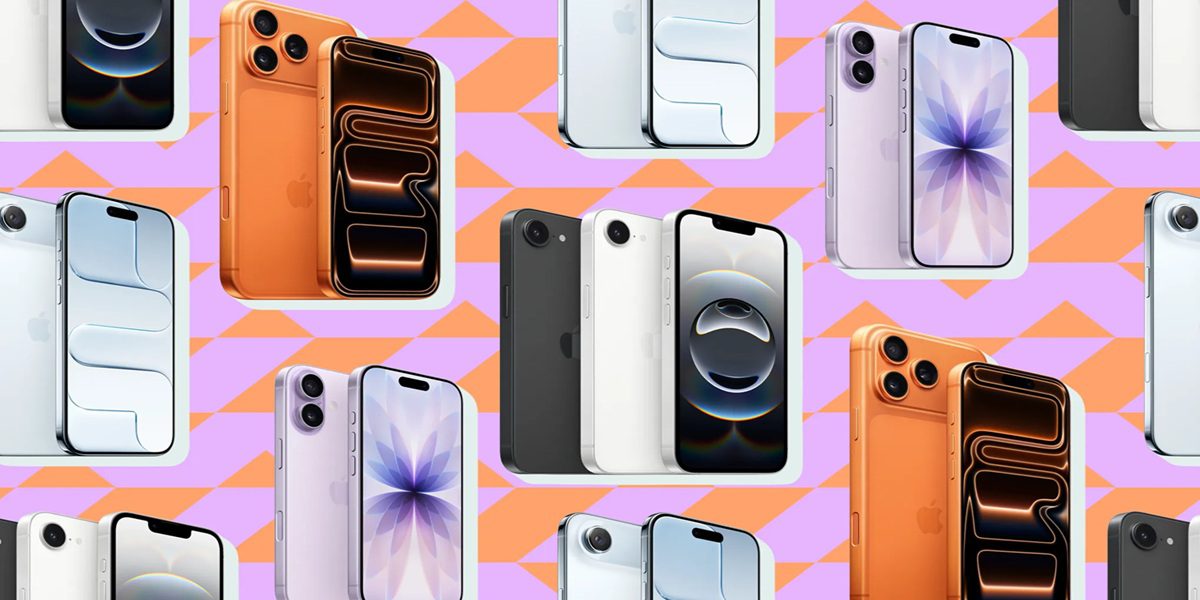
Apple drove a 7% year-on-year increase in global smartphone revenue in the second quarter of 2026, even as the total number of phones sold declined, according to new data from Counterpoint Research.
The average selling price of a smartphone rose 17% to hit a second-quarter record of $400, meaning that people are buying fewer phones but spending significantly more on the ones they do buy.
The shift reflects a broader consumer preference for premium devices, where buyers see greater long-term value over cheaper handsets whose prices have been pushed higher anyway by rising memory chip costs.

Apple and Samsung, the top two players in the premium market outside China, both posted strong revenue growth last quarter.
Apple, in particular, has been lifted by steady demand for the iPhone 17 series and its expanding services business, which earned $30.98 billion in the three months ending March 2026, making it one of the most profitable software and digital distribution operations in the world.
The Counterpoint data adds to a picture of the company’s financial strength that has been building all year. In Q2 FY2026, the company made $29.6 billion in profit in a single quarter, roughly $224,000 every minute. Total revenue for that quarter reached $111.2 billion, up from $95.4 billion in the same period a year earlier.
Why fewer phones but more money makes sense for Apple and Samsung
The numbers seem counterintuitive at first: fewer phones sold, but more revenue. The explanation is straightforward. A budget smartphone that costs $150 generates far less revenue per unit than a flagship iPhone or Samsung Galaxy that costs $1,000 or more. When consumers trade up, the revenue impact is significant even if shipment volumes fall.
Rising memory chip costs have made the budget end of the market increasingly difficult to sustain at attractive price points, pushing some entry-level buyers either toward mid-range devices or out of the upgrade cycle entirely. That has had the effect of concentrating spending at the premium end, where Apple and Samsung have the strongest positions.
For Apple specifically, the premium shift aligns with a broader transformation the company has been executing for years, moving from a hardware company into a services-led business that generates recurring revenue from payments, subscriptions, storage, and digital content.

The more consumers spend on an iPhone, the more deeply they tend to embed themselves in Apple’s ecosystem, and the more they pay for services over time. The $400 average selling price record in Q2 2026 is not just a smartphone market statistic; it is partly a reflection of how successfully Apple has moved the entire premium tier upward.
Also read: Apple raises MacBook and iPad prices as AI memory chip shortage worsens
