




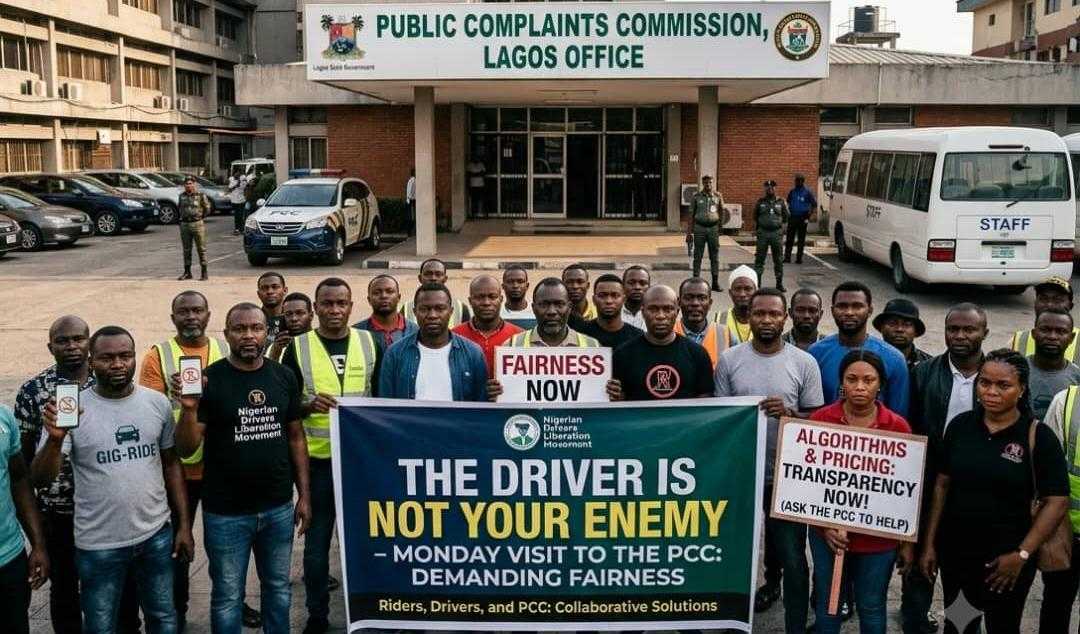
The Amalgamated Union of App-based Transporters of Nigeria (AUATON) has pushed back on inDrive’s declaration of a “long-term commitment to Nigeria,” demanding that the platform back its words with concrete gains for drivers.
The response, issued in a written statement by the union’s Lagos State Public Relations Officer, Comrade Steven Iwindoye, follows inDrive’s statement to Technext confirming it would remain in the country after Uber’s exit.
Uber wound down operations in Nigeria and Uganda from 2 September 2026, after more than a decade in the market, citing evolving business priorities across the continent.
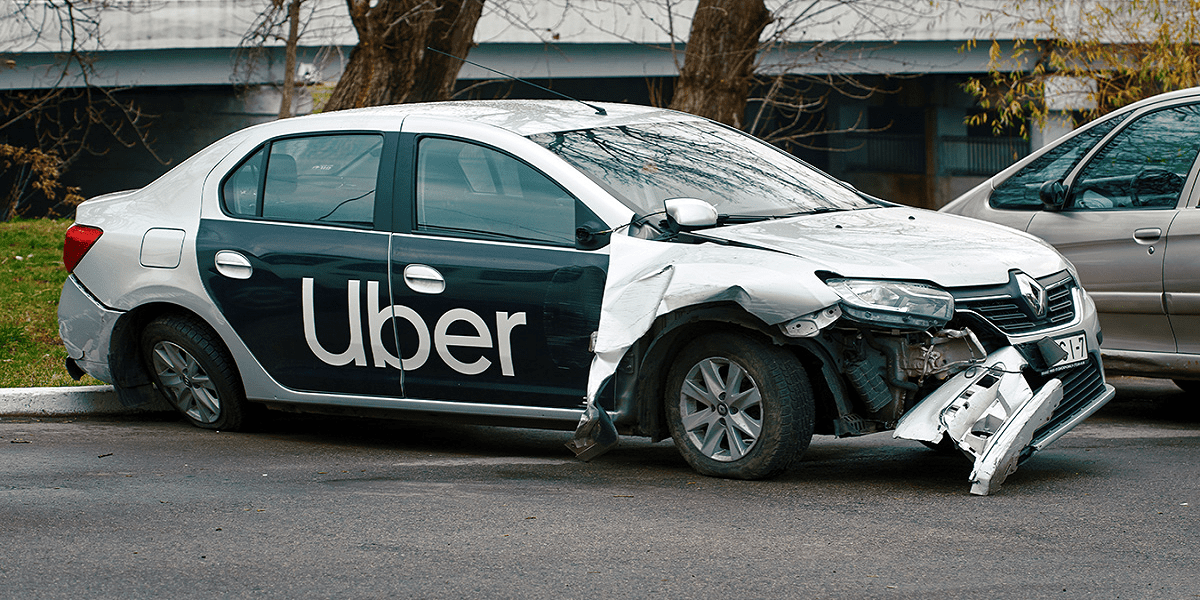
AUATON‘s national leadership had already blamed that exit on what it called Uber’s exploitative model, and warned Bolt and inDrive they would suffer the same fate without genuine collective bargaining with drivers.
What AUATON is asking for?
Iwindoye said in the statement that a commitment that does not improve driver welfare is “simply a commitment to the market, not necessarily to the people.”
He listed fair and sustainable fares, improved earnings, transparent commissions and meaningful driver representation as the real markers of commitment, not corporate statements.

Drivers absorb most of the financial burden in the ride-hailing model, Iwindoye said, covering fuel, maintenance, insurance and vehicle depreciation, while platforms retain control over pricing and access to passengers. “A cheap ride for the passenger must not become a poverty ride for the driver,” he said.
Also read: Uber Nigeria’s exit: Drivers’ union blames exploitative model, warns Bolt, inDrive, others
A warning shot at the industry
Iwindoye pointed to Uber’s exit as a cautionary tale, warning inDrive and Bolt against assuming today’s market position guarantees future driver loyalty.
He called on platforms to engage, listen to and negotiate with organised drivers “now,” rather than wait until dissatisfaction becomes unmanageable.
He also described the current platform model as resembling “modern-day economic exploitation.”
Read also: Following Uber Nigeria’s exit, Moove permits drivers to operate on Bolt and inDrive
The bigger picture
inDrive has told Technext it charges one of the lowest service fees in the market, at around 10%, and leaves final pricing to be agreed directly between drivers and passengers rather than through an algorithm.
It operates in Lagos, Abuja, Port Harcourt, Benin City, Ibadan, Owerri and Enugu. Iwindoye’s statement does not dispute that pricing model directly but insists that fairness must show up in driver earnings, not just mechanics.
The union closed its statement with a direct question to inDrive: “What exactly will your commitment do to put more money in the pockets of Nigerian drivers and give them a more dignified life?”
