




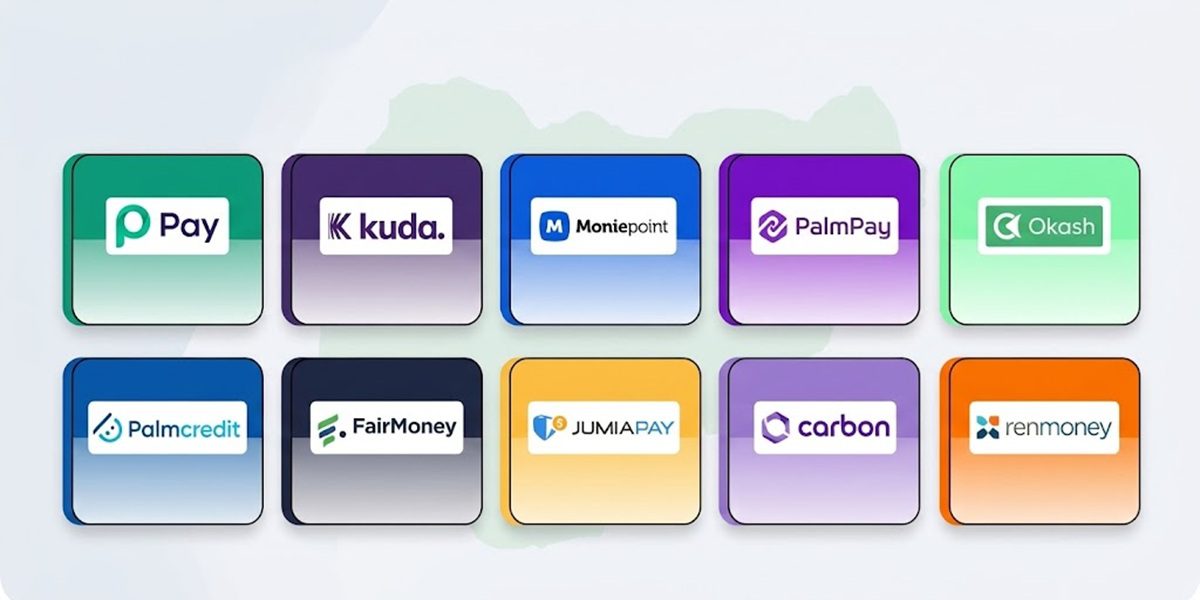
Nigeria’s National Assembly has approved a new bill that may enable the Central Bank of Nigeria (CBN) to have increased oversight over major fintech companies such as OPay, Moniepoint, PalmPay, and Kuda.
This bill amends the Banks and Other Financial Institutions Act (BOFIA) of 2020. If signed into law, it would enable the CBN to classify specific non-bank financial institutions as Systemically Important Institutions (SIIs), which would subject them to stricter regulation.
The Senate passed its version of the bill on November 10, and the House of Representatives followed suit on November 18. The bill is now awaiting the president’s signature to become law.

Under the new framework, the CBN governor would have the authority to label a financial institution as systemically important based on factors such as transaction volumes, market share, customer numbers, and links to banks or other financial systems. An institution could earn this designation if its failure or disruption might pose a risk to overall financial stability, or if the CBN deems it necessary for the public good.
Similar read: I tried GTBank’s new 737 app: It is easy to use, but can it beat OPay, PiggyVest, Cowrywise, and other fintechs?
Notably, the legislation does not mention OPay, Moniepoint, PalmPay, or Kuda by name. Instead, it allows the CBN to decide which licensed non-bank financial institutions fit these criteria.
CBN could inspect fintech systems and suspend operations
The proposed changes to regulations for fintech companies are set to have a significant impact on the industry. Under these new rules, companies that are designated as systemically important would face tougher requirements in areas like corporate governance, cybersecurity, and technology risk management.
The Central Bank of Nigeria (CBN) may conduct regular stress tests to see how well these companies can handle financial crises, cyberattacks, or system failures. Additionally, the CBN will have the authority to access the platforms, algorithms, and data that these companies use.

These designated fintech companies will also need to provide more detailed reports about their transactions, any cybersecurity incidents, operational risks, and their plans for emergencies. If a company does not comply with these requirements, the CBN can impose penalties, suspend operations, or take other disciplinary actions.
However, companies will have the right to challenge their designation in the Federal High Court within 30 days. The bill also aims to create a public register of systemically important institutions, which will require these companies to disclose who ultimately benefits from their operations.
What this means for fintech customers and businesses
The proposed legislation reflects how important fintech companies have become to Nigeria’s financial system. A notable example is OPay, which reported around 50 million active users monthly as of July 2026 and processed a whopping $358 billion in transactions in 2025. With these new regulations, there are potential benefits for customers, such as enhanced protection against cyberattacks and fewer service disruptions.
This means that users might have a safer experience and can expect fintech operators to be more accountable to regulators. However, these changes could also come with downsides.
Companies may face higher costs related to compliance and technology upgrades. This might impact their plans for growth, affect product pricing, and slow down investment in necessary infrastructure. It is also important to note that these new rules will not automatically change fintech companies into commercial banks.

The Central Bank of Nigeria (CBN) will decide which companies need to follow the new guidelines and what additional requirements they must meet. If President Bola Tinubu approves the bill, the CBN will have a stronger framework to oversee these financial companies. As fintech firms continue to grow in importance, ensuring their stability will be crucial for the overall health of Nigeria’s financial system.
