


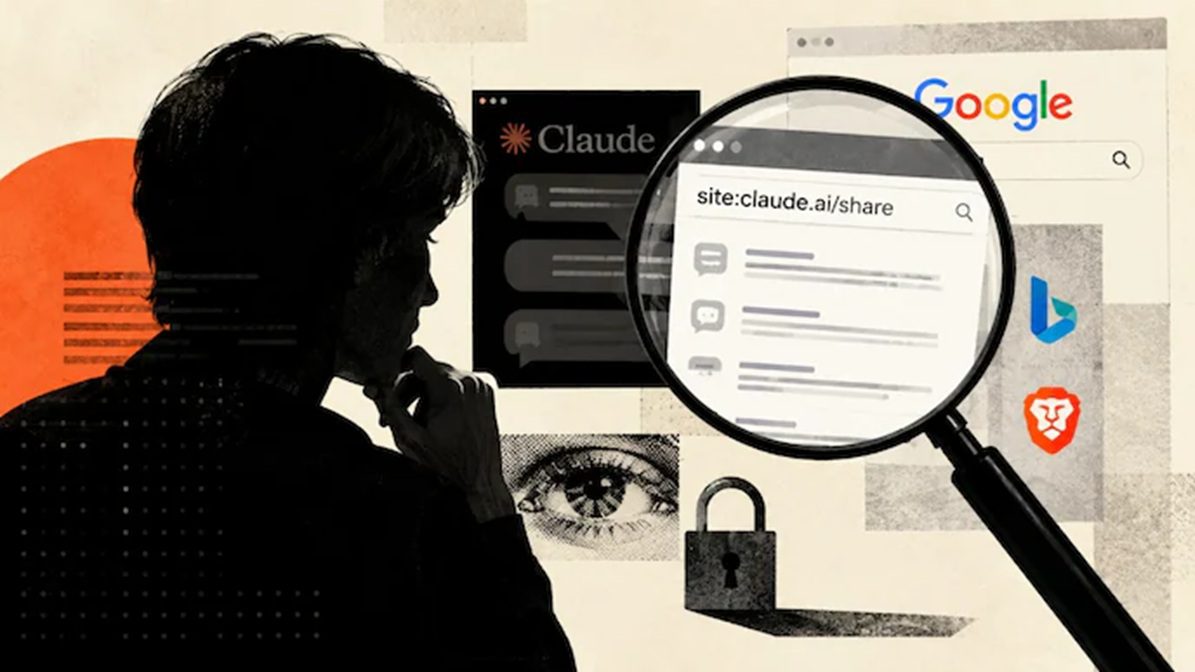
If you have ever shared a Claude conversation with a colleague or friend, you probably assumed only people with the link could see it. That assumption is now being questioned.
A viral Reddit discussion, which has attracted thousands of upvotes and hundreds of comments, claims that some publicly shared Claude conversations were appearing in search engine results. The discussion quickly spread to X, where developers and AI users warned others to review any conversations or Artifacts they had previously shared.
The central concern is that users may have understood “share with anyone who has the link” very differently from “publicly accessible on the web.”
As the claims spread, Technext attempted to verify them by searching across five different search engines using the query: site:claude.ai/share. Google returned no indexed Claude share pages at the time of writing, suggesting the pages are either no longer indexed or have already been removed from Google’s search results.
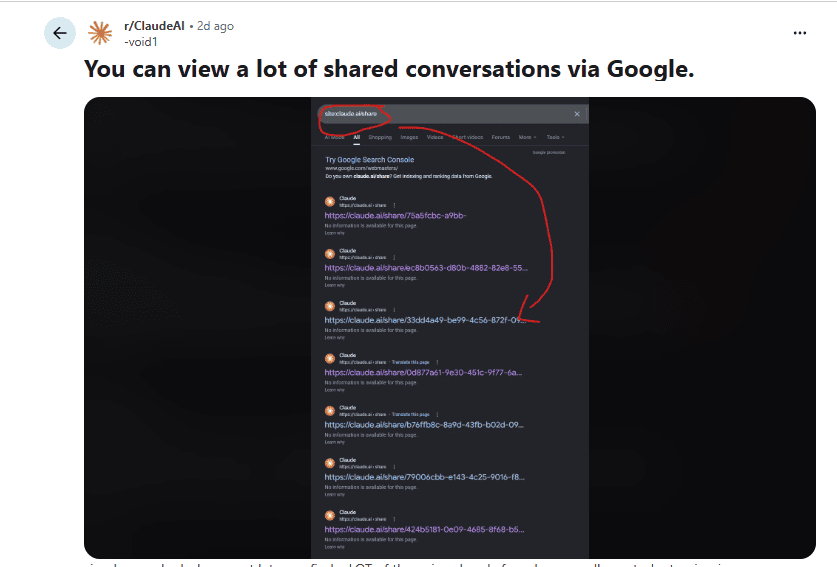
One X user reported seeing the same thing and asked software developer Om Patel, whose posts helped amplify the issue, whether the claims were still valid. Patel responded: “They just patched it on Google; use a different search engine.” Technext could not independently verify whether other search engines continued to index shared Claude pages.
Anthropic had also not publicly commented on the reports at the time of publication.
Concerns extend beyond Claude chats
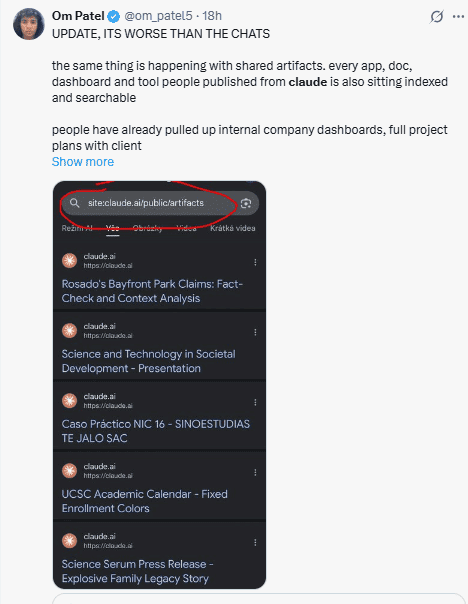
The discussion expanded after Patel claimed the issue was not limited to conversations.
In a follow-up post, he alleged that published Claude Artefacts, interactive apps, dashboards, documents and other projects created inside the AI could also appear in search engine results. He claimed users had found internal dashboards, client project documents and even medical research summaries among searchable Artefacts.
Patel further argued that many people misunderstood Claude’s sharing options because published Artifacts typically present only two choices: “Only me” or “Anyone with the link.” According to him, many users interpreted the second option as an unlisted link shared privately with selected people, rather than a webpage that search engines might crawl if indexing were allowed.
Technext could not independently verify those specific claims.
The discussion highlights a broader issue affecting AI platforms, not just Claude.
Sharing a conversation through an AI chatbot is different from keeping it inside your private account. Once a page is published on the public web, whether search engines index it depends on the platform’s settings and technical controls. That distinction is often lost on users.
Similar read: Claude AI didn’t hack Bitcoin: The truth behind the viral crypto wallet recovery
For example, someone might share a Claude conversation containing business plans, financial models or research notes with a colleague, believing the link is effectively private because it was sent directly. If that page later becomes searchable, the audience changes dramatically.
Security researchers have long advised users not to include passwords, API keys, customer databases, confidential contracts or sensitive personal information in publicly shared AI conversations, regardless of whether those pages are indexed.

Although the extent of the reported indexing remains unclear, users who have shared Claude conversations or Artefacts can review those links from their Claude account and unpublish anything they no longer want publicly accessible.
Until Anthropic provides further clarification, the incident serves as a reminder that sharing a link is not the same as keeping information private, especially when AI-generated content is published on the open web.
