




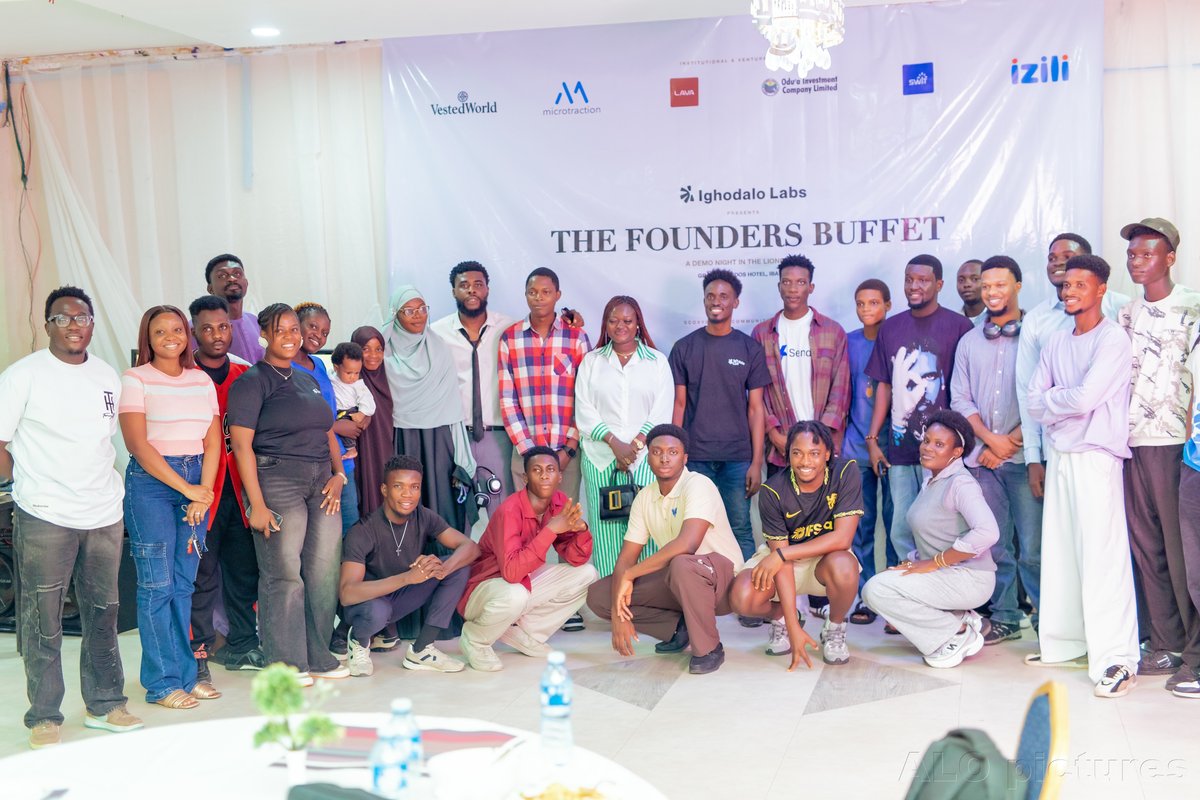
Nine early-stage startups presented their products to investors and tech leaders at The Founders Buffet: A Demo Night in the Lions Den, organised by Ighodalo Labs in Ibadan on November 7, 2026. The event attracted over 60 participants, including founders, angel investors, and technology professionals.
The startups showcased live software demonstrations and made pitches to a panel of investors from VestedWorld, Microtraction, Lagos Angel Venture Associates (LAVA), and SWIT, the tech investment arm of Odua Investment Company. This event was unique, as it emphasised product demonstrations and discussions about business operations, revenue models, customer retention, and growth potential, rather than just traditional pitches.
The nine startups brought a wide range of ideas to the stage, reflecting the different problems young African companies are trying to solve.
In the retail sector, Adewale Peter Tomiwa introduced STOCKSABI, a platform designed to help neighbourhood merchants manage their inventory, track sales, and monitor business performance. The demonstration showcased how merchants could scan product barcodes and synchronise stock records across different devices.
Transitioning to facility management, David Aguiyi presented cleanse.ng, a platform that manages commercial cleaning services. This tool allows facility managers to track cleaning schedules, inspect service quality, and monitor supplies, providing businesses with greater visibility in an industry often dominated by fragmented contractors.
Similar read: Ighodalo Labs to bring 10 startup founders before investors at Ibadan pitch event
Two other founders focused on simplifying access to everyday services. Ayileka Samuel Boluwatife unveiled Plan Ariya, a marketplace that connects event organisers with vetted vendors such as caterers, decorators, and photographers, complete with tools for managing bookings, budgets, and payments. Meanwhile, Alao Heritage pitched Sendit, a peer-to-peer logistics platform that utilises available space in verified commuters’ vehicles to transport parcels between cities. This system employs digital verification codes to authenticate parcel pickups and deliveries.
Housing and customer service were also prominent themes. Qudus Oyedeji showcased Housmata Technologies, which is developing a property platform featuring verified listings, digital tenancy agreements, and rental processes aimed at minimising fraud and exploitation in the housing market. Glory Olorunfemi Opeoluwa presented Intellinx, an AI-powered customer support solution designed to assist businesses in responding to product inquiries, tracking orders, and handling customer complaints across digital channels.
Other pitches explored opportunities in the creative economy, recruitment, and sports. Ubaidah Bint Shaakir presented BISH Creatives, which combines brand identity and creative communications services with a line of consumer products. Iyanuoluwa Temitope Akintilebo demonstrated Pair2mock, an AI-powered interview preparation platform that assesses candidates’ coding abilities and communication skills through simulated technical interviews.
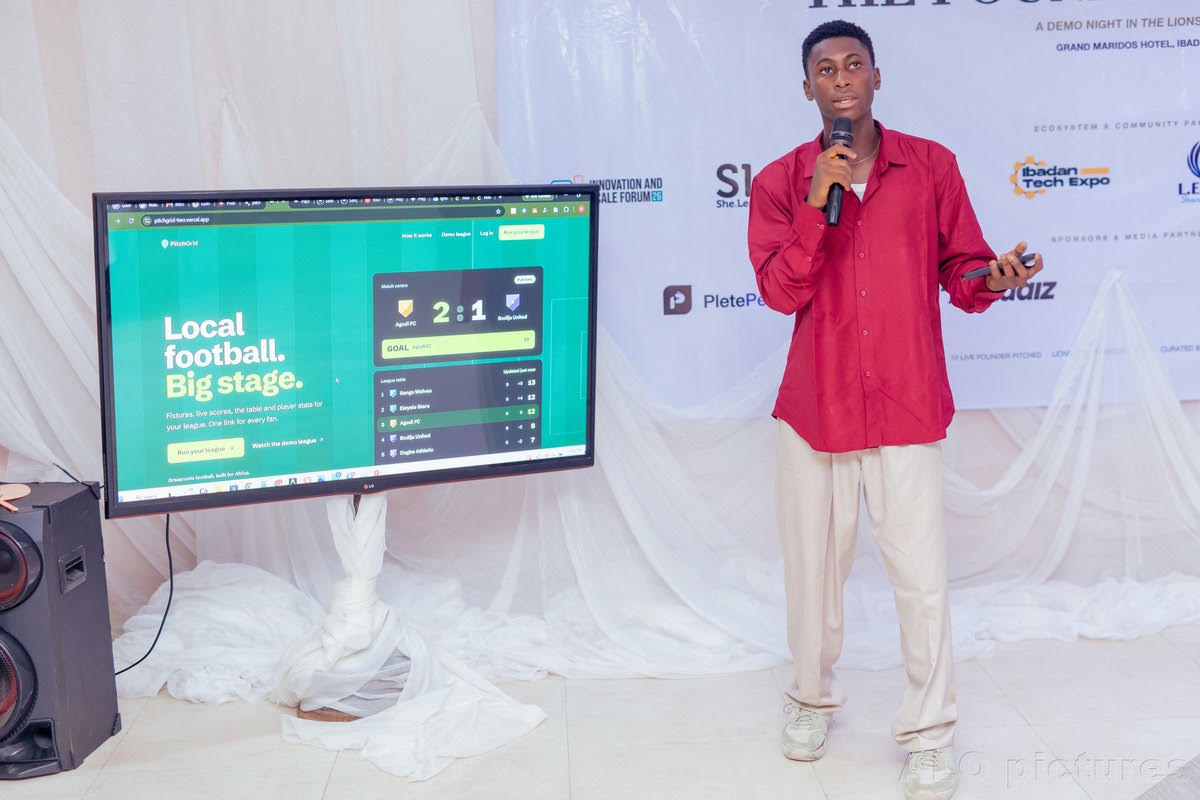
Emmanuel Bassey concluded the showcase with PitchGrid, a platform focused on providing data for grassroots African football. His demonstration featured digital player profiles, match records, and performance statistics, designed to help clubs and scouts assess emerging football talent more effectively.
Investors challenge founders on business models and growth
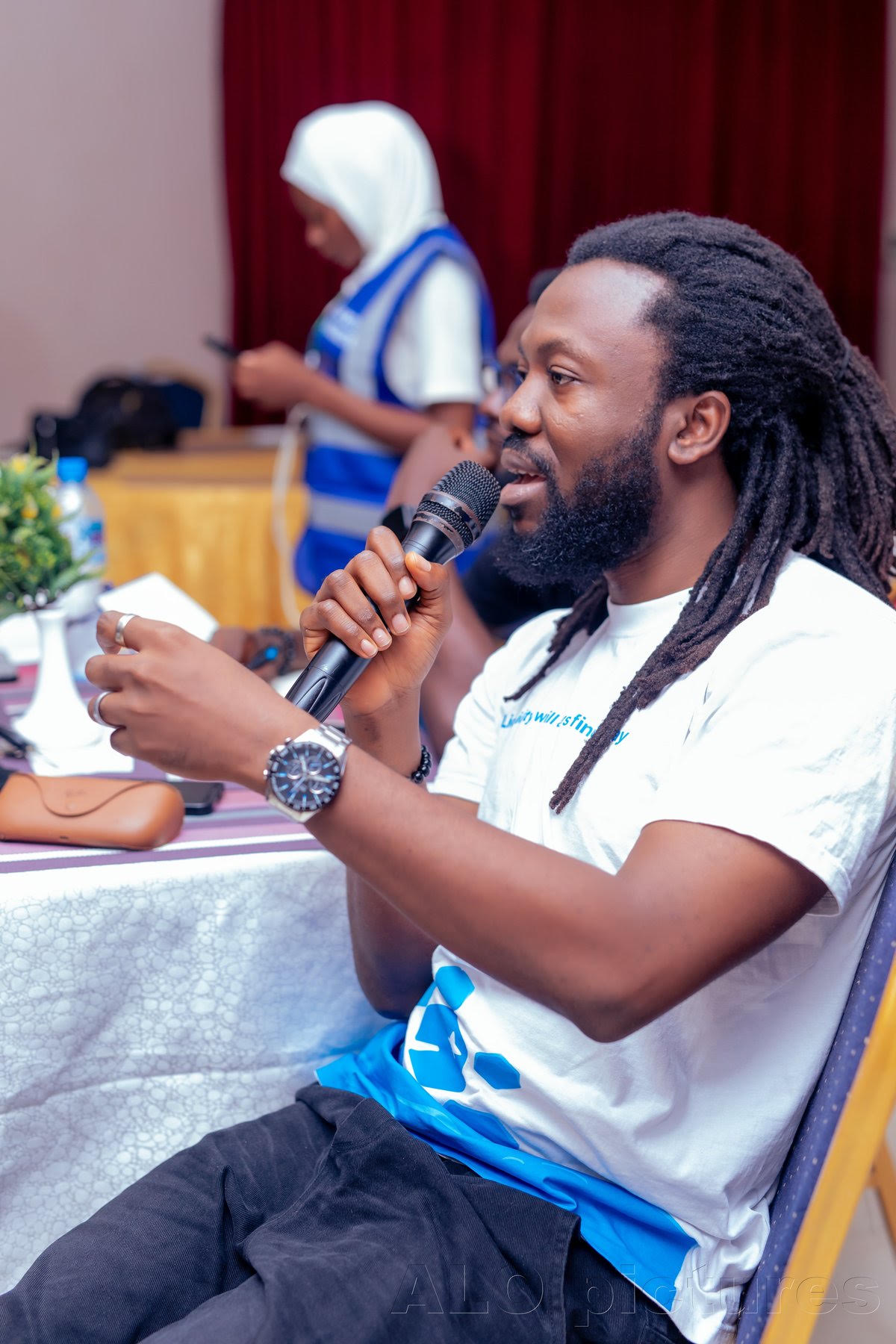
At the event, startups showcased their products to a panel of investors, who asked critical questions about the commercial viability of their offerings.
STOCKSABI faced inquiries regarding the costs associated with replacing hardware, financing options for merchants, and concerns about customer retention. Similarly, Intellinx was scrutinised over the expenses related to its AI services, including server infrastructure and API usage, with a focus on how these integrations could be streamlined for businesses.
For Sendit, discussions centred on parcel security, verification processes, and insurance liabilities. Housmata received questions about acquiring landlords and enforcing rental agreements, while PitchGrid was encouraged to pursue partnerships with football associations to enhance the credibility of its player data.
Other topics included customer acquisition costs, retention strategies, working capital needs, and the pursuit of sustainable revenue. The event also featured an executive buffet, providing an informal setting for founders and investors to engage in meaningful conversations about mentorship, pilot programs, and potential investment opportunities.
“We build companies because companies create opportunities. Opportunities create choices. And people deserve the dignity of choice,” said Desmond Aghughu, studio lead at Ighodalo Labs. He emphasised that the event aimed to assist early-stage founders in showcasing their progress and connecting with potential partners within a thriving ecosystem that extends beyond Lagos.

Organised with the support of an 18-member coalition of investors, tech organisations, and ecosystem partners, the event allowed startups to present their innovations to potential collaborators and investors, highlighting the ongoing challenge for early-stage companies: having a product is not enough to ensure sustainable success.
Also read: First Circle Capital closes $26m fund to back AI-powered African fintech startups
