





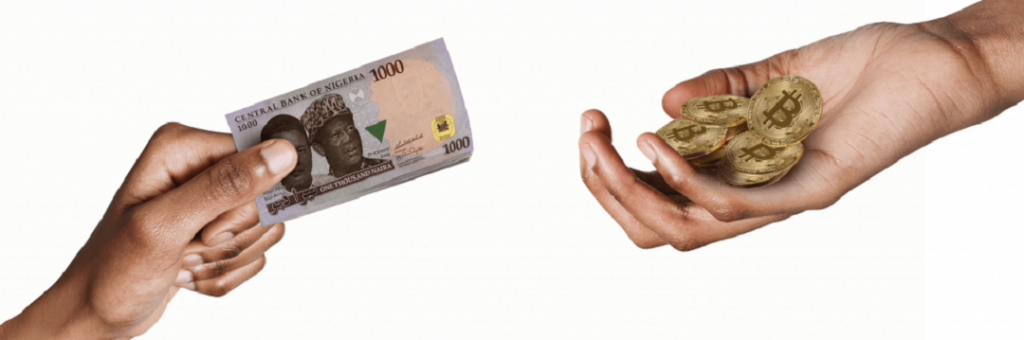
A Lagos businessman, Vincent*, has lamented the slow adoption of Bitcoin payments in Nigeria, explaining that while many people have crypto wallets capable of making payments in Bitcoin, they still prefer to pay in cash or via bank transfers.
The businessman disclosed this in a chat with Technext about the adoption of Bitcoin as a means of payment.
“People with Bitcoin wallets, they come, they will show me their crypto wallets and still pay me in cash or by bank transfer. A few of them still pay in crypto, but many of them would rather pay with cash instead of transferring crypto,” he said.
Vincent, a young man in his mid-twenties, deals in electrical appliances. He noted that while crypto adoption is high in Nigeria, its use as a means of payment remains quite low compared with the overall adoption rate, a phenomenon he still finds hard to reconcile.
He, however, noted that crypto adoption as a form of payment is rising albeit slowly.
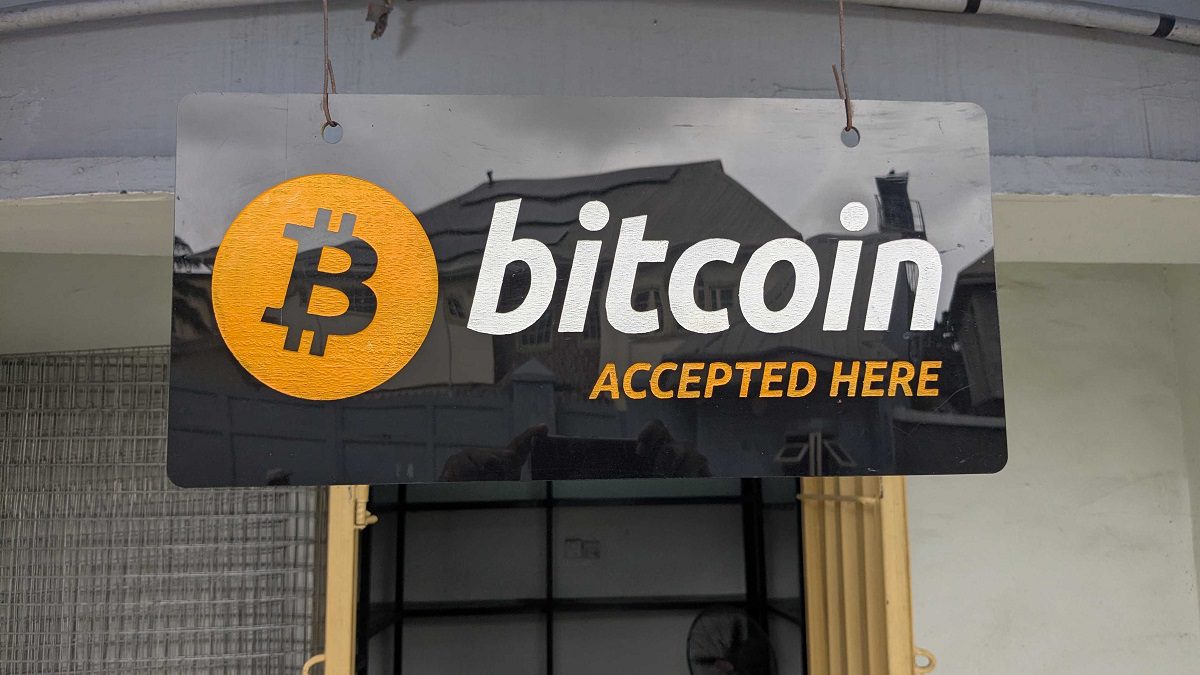
“Of all the customers who buy from me, about 30 per cent of them pay in crypto. Most of them come out of curiosity because of the Bitcoin sign I put up that I accept crypto. They make enquiries. Some of them end up buying and paying with crypto,” he said.
He also explained that there are some who have never used crypto before. Those ones come in to ask questions about whether crypto payment is quicker, cheaper and more convenient than paying through platforms like Opay and Palmpay, etc. Some of them end up asking him to open crypto wallets for them and even buy some Bitcoin while at it.
Improving acceptance of Bitcoin payments
The Nigerian digital assets space is highly regulated, with the government keeping a tight leash on individuals and operators. Some provisions include a one per cent withholding tax on transactions carried out on approved exchanges, as well as taxes on profits from individual transactions that could rise to 25 per cent.
For exchanges, the conditions are steeper, including a minimum capital base of ₦2 billion, a separate ₦30 million registration fee and a fidelity insurance bond covering at least a quarter of that paid-up capital. The rule also requires 80 per cent of clients’ digital assets to be held offline, in cold storage. These restrictions make operating in the crypto space seem very tedious and cumbersome.
To improve Bitcoin acceptance as a payment method, Vincent said there is a need for businesses accepting Bitcoin payments to put up signs indicating that they accept crypto.
“Bitcoin is a digital asset, and no company owns it. Therefore, Bitcoin can’t run advertisements for itself. But we that accept it, we are the ones that will do the publicity for it. Many businesses around this area accept crypto payments, but they don’t want to put a signboard outside their shops and offices like me. They treat it as a need-to-know and only if the customer asks to pay Bitcoin. Crypto payment won’t grow like that,” he said.
He also encouraged digital asset companies cleared to operate in Nigeria, like Busha, Quidax and Yellow Card, to start running advertisements the way Opay, Moniepoint and other payments fintechs do. He said if there are advertisements around crypto payments and acceptance on such a bigger scale, people will start coming around, even though it may take a while.
“Everybody knows what is Bitcoin. They just don’t know how to use it, whether they can use it or if it is safe. We need to educate them, and that is the only way we can make them come around. When it starts growing, peer pressure will push other people to follow,” he said.
He acknowledged that the Nigerian environment has not been kind to crypto traders overall, which explains the scepticism. But cryptos are already here; millions of people use them, so “how long are we going to keep pretending?”
In Nigeria, cryptocurrencies are still considered digital assets, not a means of payment. However, many people trade them informally while also using them for payment.
*The name of the trader was changed for privacy purposes
Read also: 80% cold storage mandate: Can Nigerian crypto startups survive the SEC?
