


The Independent National Electoral Commission (INEC) has pledged not to tamper with the metadata attached to election results uploaded to its Result Viewing Portal (IReV) during the 2027 general elections. The assurance matters because that hidden data is what lets observers check when, where and how each result reached the portal.
The commission’s Director of Information and Communication Technology, Lawrence Bayode, gave the assurance on Tuesday in Abuja at a stakeholder roundtable on results tabulation organised by Yiaga Africa, according to Premium Times. A participant from MundX, an election observatory technology platform, had asked whether the commission would preserve the data, fearing it could be deleted.
“I can assure you those metadata will remain intact,” Bayode replied.
What is IReV metadata, and why does it matter?
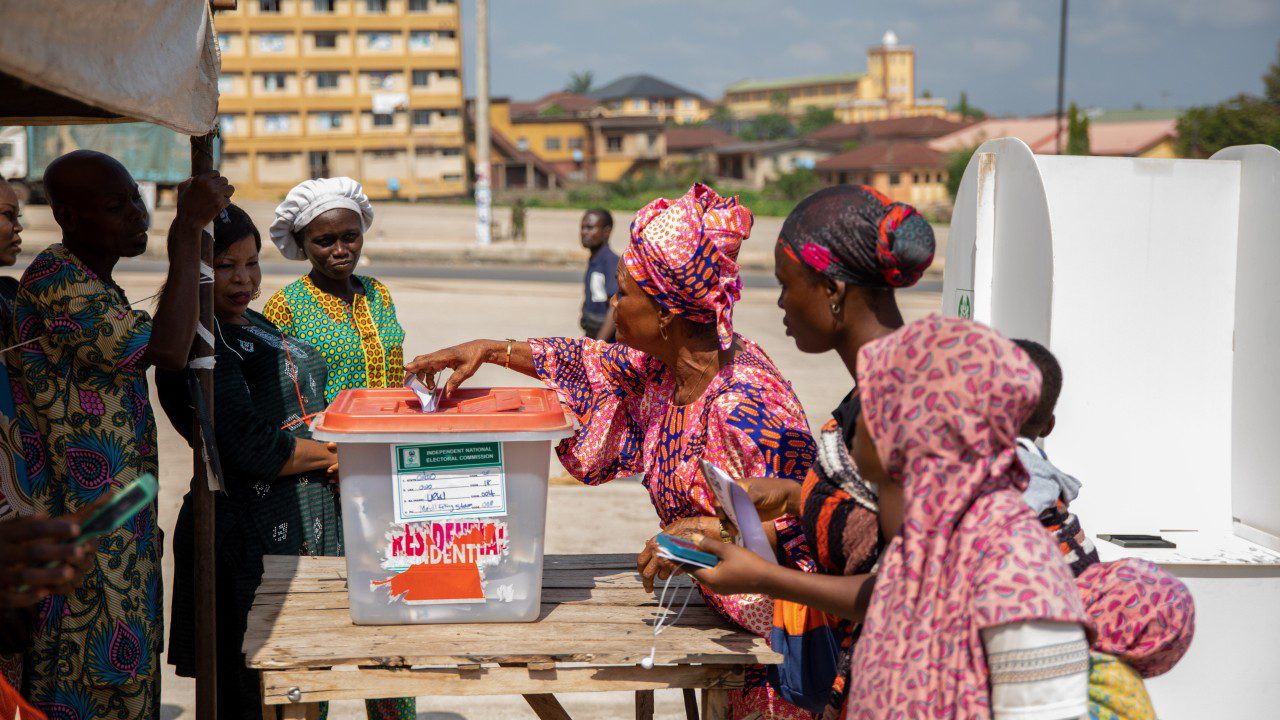
At the end of voting, presiding officers scan polling unit result sheets, known as Form EC8A, and upload them to IReV, where the public can view them. The portal was first used in the Nasarawa Central constituency by-election in 2020.
Metadata is the information attached to each uploaded file. It can show the time of the upload, the device used and the location from which it was sent.
The result sheet shows what was recorded at a polling unit. The metadata shows how that sheet travelled. That difference lets independent analysts test whether the portal’s contents match what happened on election day.

Bayode told the roundtable he could not speak for previous elections. He disclosed that the commission still holds the metadata for the Federal Capital Territory (FCT), Ekiti and Osun elections, and that results uploaded in those polls showed greater consistency, with no discrepancies identified on the portal.
Also read: How Pawavox is using cryptography to make Nigerian elections evidence court-proof ahead of 2027
Can INEC alter the metadata?
Technically, yes. As with any digital record, whoever administers the system that stores it can edit or delete the data. The commission operates the portal, so the pledge rests largely on trust rather than on an outside check.
Alteration need not be dramatic. Recorded values can be changed, records can be deleted, or files can be replaced with re-saved copies that carry new details. Some details, such as location, can also be lost by accident when files are compressed or converted.
Nothing reported from the roundtable suggests the commission has done any of this. Bayode assured participants that it will not tamper with the raw data of the uploaded results.
What would be at stake if it did?
If records were changed, observers would lose their main tool for checking how results reached the portal. An upload time could be moved to look as though it happened after voting began. The device trail could be erased, and evidence of repeated uploads from one phone could disappear.
Lawyers preparing election petitions and analysts rely on such records too. Without them, a dispute over a result could come down to the commission’s word alone. The damage would fall on public confidence, whether or not any result was actually changed.
Metadata also proves little by itself. An odd timestamp can point to a faulty device clock or a test upload, so it calls for investigation, not an automatic verdict.
Also read: How to monitor the 2023 presidential election results with the INEC Result Viewing portal (IReV)
What the MundX review flagged
The participant cited a review of results uploaded during earlier elections, which allegedly found some uploads made before voting began. Some were reportedly uploaded as early as 5 a.m. on election day, while multiple results came from the same mobile device. Technext could not independently verify these findings.
The participant argued that such patterns raised concerns about possible irregularities. They also underscored, he said, why metadata must be preserved so that results can be scrutinised independently.
A portal that has faced scrutiny before. The portal has drawn criticism in the past. The commission’s own report on the 2023 elections stated that the presidential results failed to upload and returned a server error, even though Senate and House results uploaded successfully.
Access has also been a sore point. Ahead of the 2023 elections, a commission official insisted that political parties would not be allowed to inspect the portal.

That history leaves a gap in the latest pledge. The commission has promised to keep the metadata for 2027, but reports from the roundtable do not say whether observers will be allowed to examine it. Until they can, a promise to keep the data intact can only be taken on trust.
