






Jumia has spent 14 years growing its e-commerce business in Africa, but this journey has come at a steep price. By the end of 2025, the company reported losses of around $2.2 billion, according to its annual report.
During a live discussion on the Broken Signals podcast with host Clinton, Temidayo Ojo, the CEO of Jumia Nigeria, shared some hard-earned lessons from the company’s journey. He mentioned that one significant mistake was trying to apply Western business methods to African markets.
“We’ve made a lot of mistakes and lost a lot of money by trying to fit a Western approach into the African context. We’ve learned that doesn’t work,” Ojo stated during the podcast.
This challenge is common for many businesses trying to grow in Africa. A strategy that works well in wealthier countries may not be effective in places where people have lower purchasing power, the infrastructure is weaker, and serving customers can be expensive.

Jumia’s total losses are not due to just one mistake or decision. They represent years of investment in technology, logistics, operations, and attracting customers, along with the unique challenges of building an e-commerce market across diverse countries. However, Ojo’s insights shed light on some of the assumptions the company has had to rethink.
Jumia had to rethink what Nigerians could afford
One of the first changes Jumia made was in its product selection. Ojo pointed out that Jumia initially offered well-known international brands like Samsung and LG. While these brands were popular, their prices often didn’t match what many Nigerian consumers could afford.
He emphasised that businesses entering African markets must realise that consumers aren’t just looking for well-known brands. They have to weigh their purchases against household expenses and often work with limited money. “Once you understand that the typical African consumer’s spending is different from the West, you see that they are very price-sensitive,” he explained.
This understanding led Jumia to adjust its product offerings. Instead of focusing solely on pricier brands, the company started stocking more affordable alternatives like TCL, Hisense, and Aeon, which Ojo believed were better suited for its customers.

He also remembered a visit to a factory in Shenzhen, China, where he noticed brands like LG and TCL being manufactured side by side. This experience reinforced for him the importance of looking beyond just brand names when figuring out what customers can afford.
Within six months, Jumia’s inventory and fulfilment centres had changed significantly. The company also reevaluated its delivery costs. Ojo likened their logistics strategy to choosing between building a luxury car, like a Rolls-Royce, or a more reliable and cost-effective option like a Toyota.
Similar read: Jumia raises $50 million as it tries to turn growth into profit
“We asked ourselves: are we building a Rolls-Royce, or are we building a Toyota?” he said. The goal was not to say that customers did not want convenience, but to determine which aspects of convenience mattered most to them and how much they were willing to spend.
For shoppers outside major cities, getting products at reasonable prices often holds more importance than receiving an order in just a few hours. Ojo noted that customers in smaller towns typically have fewer brands available to them and might need to travel long distances to buy everyday items.
Therefore, Jumia’s strategy has been to make products available in more locations without imposing high delivery costs on customers.
The challenge goes beyond getting products online
Jumia’s recent changes highlight the challenges of running an e-commerce business in areas where online shopping is still growing. Unlike traditional retailers, Jumia connects buyers with independent sellers on its platform. It also handles logistics and payment services to facilitate transactions. This unique business model can be misunderstood by authorities who are more accustomed to traditional retail setups.
Jumia’s CEO, Ojo, said the company has had to engage actively with regulators. They have organised workshops to help revenue authorities understand how Jumia operates. He shared instances where authorities mistakenly classified the entire value of transactions on Jumia as the company’s revenue, not recognising that a portion belongs to the sellers.
The company also faces challenges with data protection laws. Ojo expressed a desire to comply with local regulations but noted the difficulty due to unclear guidelines and the threat of strict penalties.
Additionally, Ojo pointed out the impact of economic instability and shifting government policies as significant hurdles for long-term planning.
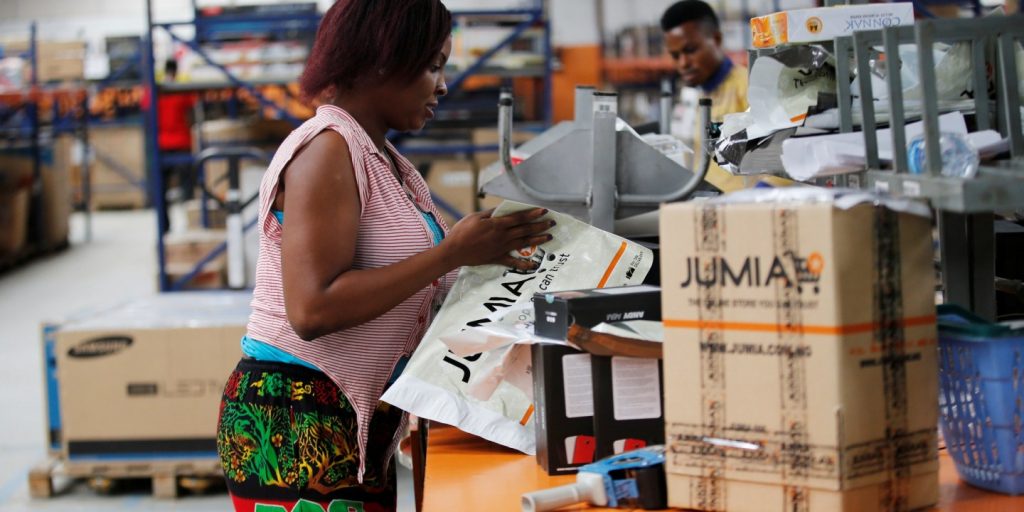
Despite these challenges, there are encouraging signs that Jumia’s platform can offer more than just online shopping. Ojo highlighted JForce, a network of trained agents who introduce people to e-commerce and earn commissions for the sales they generate. He shared a success story of a seller who started as a JForce agent and built a business making over $100,000 each month. This seller began from his home, set up an online store on Jumia, and purchased products only after receiving customer orders.
This example illustrates how an online marketplace can lower the cost of starting a retail business, enabling sellers to reach customers and manage logistics without needing a physical storefront or large inventory.
Can the new model make Jumia profitable?
Jumia has shown signs of progress in its financial performance, though it still has not reached profitability. In 2025, the company reported revenues of $188.9 million, a 13% increase from $167.5 million in 2024. Additionally, its net loss decreased to $61.5 million, down from $99.1 million the previous year. In the fourth quarter, Nigeria experienced a remarkable 50% year-on-year increase in gross merchandise value, with orders rising by 33%.
These results indicate that Jumia is successfully increasing transactions and reducing losses. However, growth alone doesn’t guarantee profitability. The company still faces challenges in managing product delivery costs, customer service, and technology maintenance, all while expanding into areas with untapped demand.
Ojo mentioned that the next growth phase will concentrate on reaching more customers in the countries where Jumia currently operates, rather than quickly entering new markets. In Nigeria, he announced plans for a new fulfilment centre in Abuja to better serve the northern region. He also noted encouraging growth in southern cities like Calabar, Bayelsa, and Delta.
Read as well: I tried GTBank’s new 737 app: It is easy to use, but can it beat OPay, PiggyVest, Cowrywise, and other fintechs?
Ojo estimates that e-commerce penetration in Nigeria is about 5% to 6%, indicating significant room for expansion. Jumia aims to triple its Nigerian business over the next three to four years. He highlighted that the company’s operations have improved markedly over the past four years, especially in areas like deliveries, returns, and refunds. He encouraged customers who last used Jumia before the pandemic to give the platform another try.

This is an important statement for a company that has faced years of customer complaints and operational hurdles. However, rebuilding customer trust will require more than just a better product selection or increased delivery coverage. Customers need to consistently receive what they order, get refunds when necessary, and find competitive prices.
Jumia’s accumulated losses of $2.2 billion illustrate the high costs of building e-commerce infrastructure and changing shopping habits across Africa. The company’s revised strategy indicates that it recognises the need to understand local consumers instead of merely importing a business model and hoping for adaptation.
The true test will be whether Jumia can turn its understanding of local markets, expand access, and control operational costs into a sustainable business model that doesn’t rely on outside funding.
