



Kalvia has announced plans to launch a digital marketplace that will connect households and businesses with trained technicians, while offering a three-month warranty on services. This forms part of its efforts to improve trust and professionalism in Nigeria’s skilled trades sector.
The proposed platform will let customers access electricians, plumbers, carpenters, and other technical professionals who have completed training or skills assessments. Unlike traditional artisan marketplaces, Kalvia intends to combine vocational education, professional certification and job opportunities within one system.
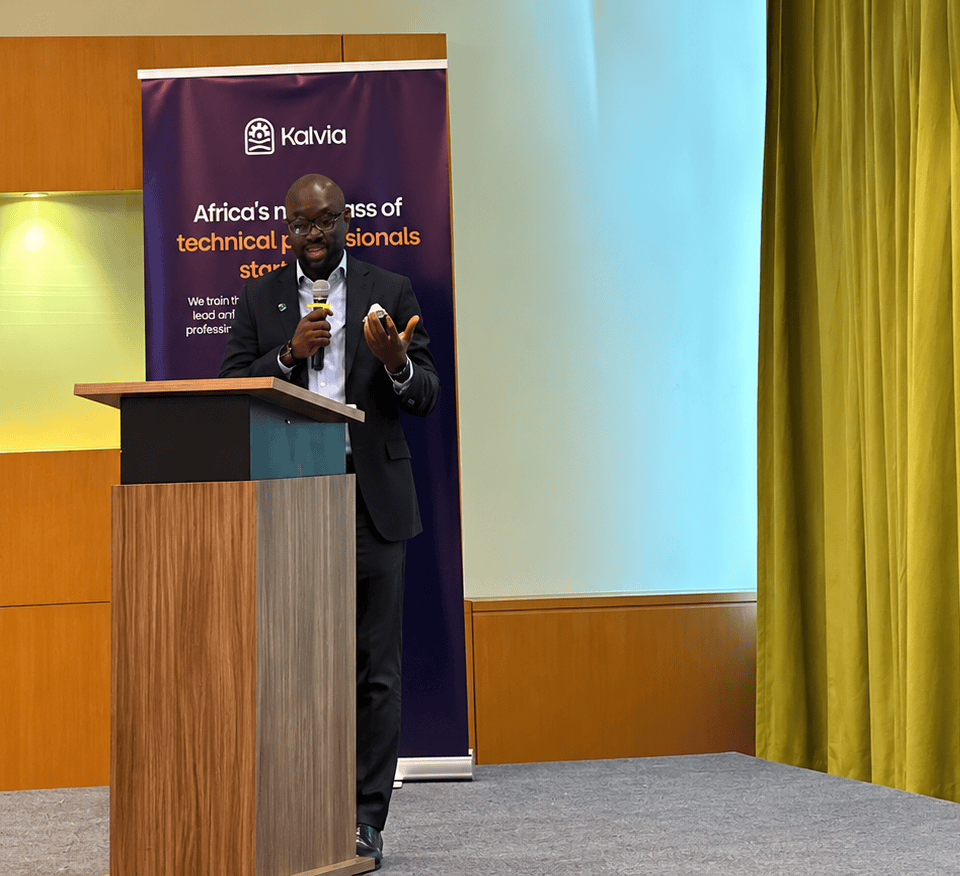
Speaking at the stakeholder conference today, Kalvia’s founder and Chief Executive Officer, Khafid Gbadamosi, explained that the company was established to address a problem many Nigerians face when hiring artisans: finding skilled professionals who can deliver quality work, communicate effectively and take responsibility when something goes wrong.
According to him, Nigeria has no shortage of artisans. The bigger challenge is finding professionals who can deliver reliable services without constant supervision.
“What we have is too few professionals. People who can diagnose a fault, price it honestly, fix it and close it without supervision,” he said.

He explained that existing artisan marketplaces often recruit technicians without addressing gaps in their training or professional conduct, leaving customers exposed to the same problems they experience when hiring artisans independently. Kalvia hopes to change this by ensuring that technicians joining its marketplace have either completed its training programme or passed a skills assessment, with additional training provided where necessary.
How Kalvia’s digital marketplace will work
Beyond connecting customers with available technicians, Kalvia plans to introduce a service management system that oversees jobs from the initial request to completion. Customers will be required to provide details of the problem they need resolved, allowing the company to match each request with a technician who has the appropriate skills and experience. The system will also support job documentation, customer feedback, service supervision and quality checks to ensure technicians meet the company’s professional standards.
One of the major features will be a three-month warranty covering faults directly linked to previously completed work.
“Our services are going to be insured and warranted,” Gbadamosi said.
He explained that if a repair fails within three months because of the work carried out by a Kalvia technician, the company will fix the problem at no additional cost. The arrangement, he said, is intended to encourage technicians to get jobs right the first time while giving customers greater confidence in the services they pay for.
Kalvia also plans to employ some of its technicians directly, allowing it to supervise service delivery and maintain consistent standards.
Gbadamosi noted that the company is already engaging residential estates and exploring other ways to generate demand for its services ahead of the marketplace’s rollout. However, the platform’s commercial structure, including how customers will be charged and how technicians will earn from completed jobs, is still being developed.
Kalvia inaugurates three councils ahead of February 2027 training launch
The stakeholder engagement also marked the inauguration of three advisory councils comprising young people, technical experts and employers, who will contribute to the development of Kalvia’s training programmes and employment model.
The Youth Council will represent the interests of prospective trainees, helping the company understand what attracts young Nigerians to vocational careers and the challenges that could discourage them from participating.
The Trade Experts Council will provide technical guidance on training standards, industry requirements and the practical skills graduates need to succeed in their chosen professions.
Meanwhile, the Hiring Council, made up of employers and industry representatives, will help align the training programme with workplace expectations and identify employment opportunities for graduates.
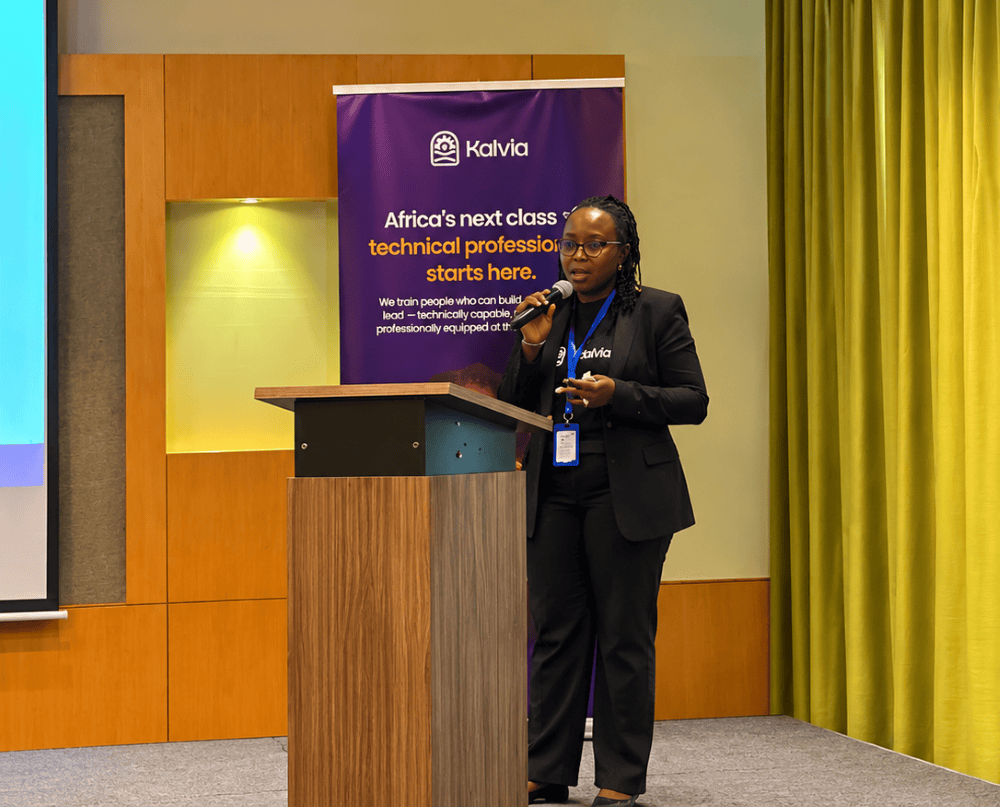
Kalvia COO, Toun Roberts, explained that the councils were established to ensure that Kalvia’s programmes reflect the needs of the people who will receive the training, the professionals working in different industries and the businesses expected to employ its graduates.
“We have a model, but we don’t have proof. We have designed it carefully, but we cannot prove it without you,” she said/
The inauguration comes ahead of Kalvia’s planned training launch on February 15, 2027, when the company aims to admit its first cohort of 200 learners. The 16-week programme will initially focus on five technical trades: carpentry and joinery, plumbing and pipe fitting, electrical installation and maintenance, HVAC maintenance and support, and solar PV maintenance and support.
The company also plans to expand into other industries, including construction, as it develops additional training pathways.
Although the training will ordinarily attract fees, Kalvia is seeking sponsors to support its first 200 learners, recognising that many prospective trainees may be unable to afford the programme. Subsequent cohorts are expected to operate under a paid training model.
Beyond training, Kalvia is targeting a 70 per cent job placement rate, with graduates expected to secure opportunities through partner employers, direct employment or the company’s marketplace. Gbadamosi stressed that the company’s success would not be determined simply by the number of people trained but by their ability to find work and increase their income.
“What we want to count are the number of students we trained that gained jobs, stayed in the jobs and grew their earning power,” he said.
The Lagos State Employment Trust Fund (LSETF), which was also represented at the event, expressed its willingness to support graduates interested in establishing their own businesses.
LSETF executive secretary explained that the agency provides access to business loans and entrepreneurship support programmes that could help trained artisans purchase equipment, set up businesses and manage their operations. Under its existing financing programmes, eligible Lagos entrepreneurs can access loans ranging from ₦50,000 to ₦5 million, depending on the business category, at an annual interest rate of 9 per cent.
Kalvias proposed marketplace is expected to address the challenge by creating a direct connection between technical training and income opportunities. While the company’s training and marketplace plans are still in their early stages, Gbadamosi said the larger ambition is to change how Nigerians perceive skilled work and create an environment where technical professionals can build sustainable careers.
Also read: Stipends vs skills: Years later, can we say 3MTT was a better replacement for N-Power?
