


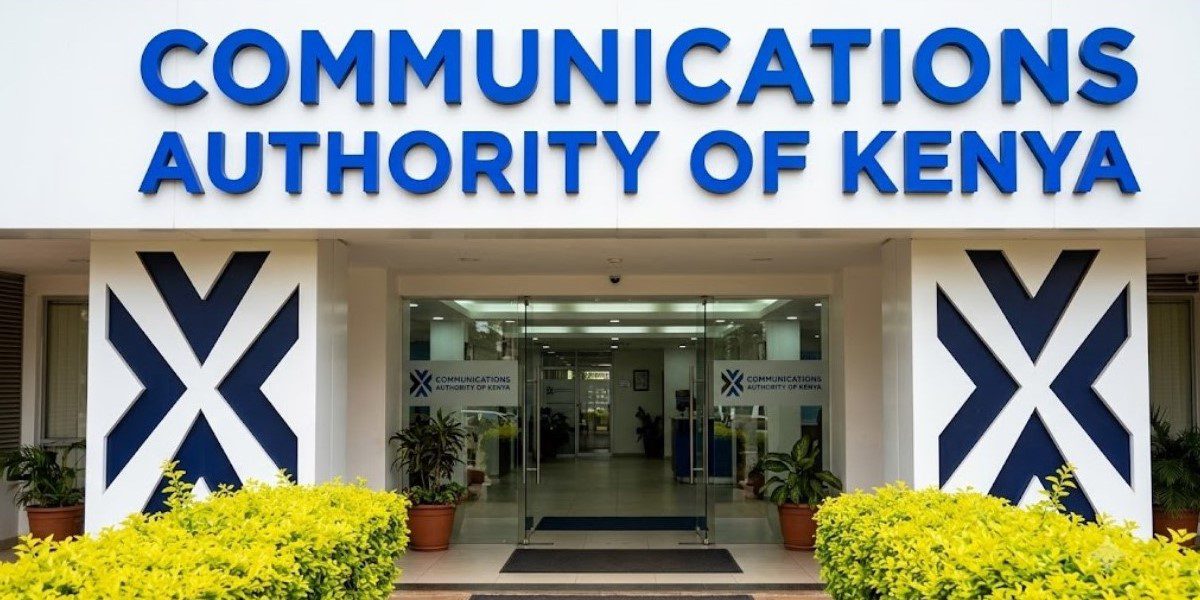
The Communications Authority of Kenya (CA) has introduced a mandatory Communications Equipment Distributor (CED) Licence for all companies that import and wholesale communications equipment such as phones, modems, and routers, in the country.
In a directive dated July 21, 2026, the Kenyan communications regulator noted that entities operating the device importation ecosystem must ensure the equipment is type-approved and cleared via the government’s TradeNet system.
It noted that the rule applies to both new and existing companies. As such, existing telecommunications equipment contractors (TEC) and vendor licence holders who wish to continue distributing communication devices must also apply for the new CED licence.

“Following the Revised Telecommunications Market Structure that was gazetted through Gazette Notice Number 3335 on March 6th, 2026, pursuant to the Kenya Information and Communications Act, Cap. 411A, any entity that is interested in importing and wholesale distribution of any communication equipment is required to apply for a Communications Equipment Distributor (CED) licence in order to be able to import and have their equipment type approved by the Authority and cleared in the TradeNet system,” the CA stated in the directive.
The latest development now affects top companies that import and distribute phones and modems in Kenya. This includes brand distributors like Anisuma Traders, FoneXpress, and Gadget World. Networking equipment suppliers such as Simplifi Networks and City Telecom Centre, alongside major retail hubs like PhonePlace Kenya that handle bulk tech provisioning, are also affected.
The development forms an attempt by the Kenyan authorities to curb the importation of counterfeit or low-quality devices. The CED licence holds importers directly accountable, ensuring that every phone, router, and modem meets strict technical and environmental safety standards before entering the market.
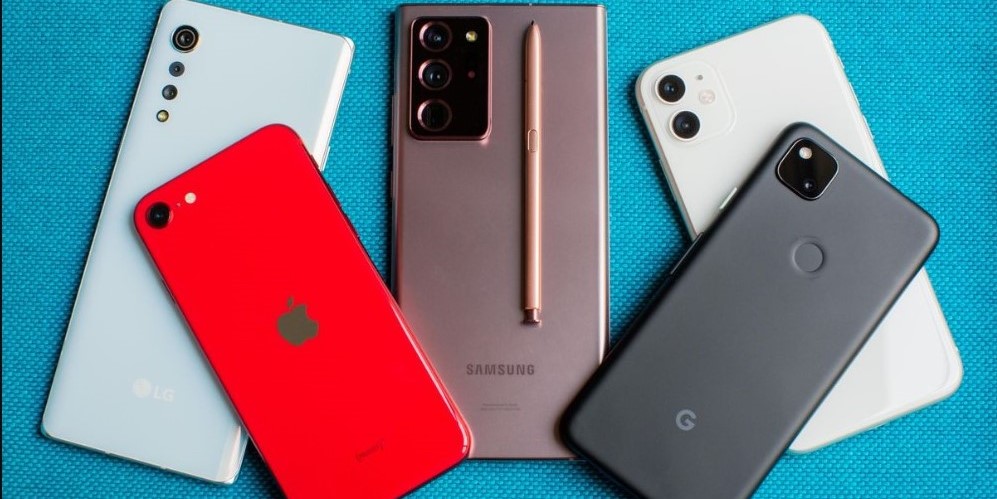
While unregulated network hardware poses serious digital security risks, the move ensures that licensed distributors comply with Kenya’s cybersecurity frameworks to minimise the risk of network interference and data breaches. The control also allows the Kenyan authorities to regulate the market and define the scope of distributors.
In addition, the transition reflects the CA‘s move from a generic vendor registry to a tightly regulated, traceable supply chain.
Also Read: 5 key lessons from the revised Kenyan Consumer Protection Act.
What the new Kenyan licensing covers
Applicants must pay an application fee of $38.6 (Ksh 5,000) and an initial licence fee of $1,932 (Ksh 250,000), valid for 15 years. The CED regulation includes an annual operating fee of $927 (Ksh 120,000) or 0.4% of gross annual turnover.
The CED Licence covers the importation, local purchase and wholesale distribution of telecommunications equipment and devices in the country. It also allows distributors to provide after-sales support by supplying spare parts to vendors that purchase communications equipment from them.

The regulator noted that all equipment distributed or sold under the licence must be tested and approved to meet specific standards before entering the Kenyan market.
Meanwhile, the CED licence does not allow vendors to engage in the activity of installation or maintenance of communications equipment. Authorities noted that these activities fall outside their scope of operation.
