


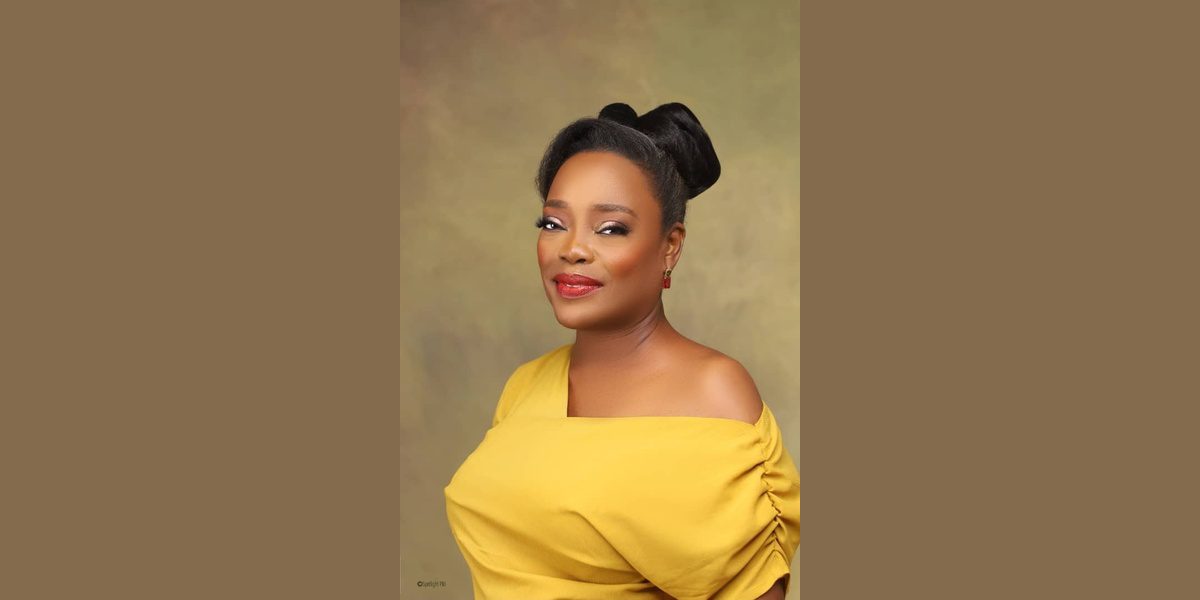
Technology and innovation have always seemed like the prerogative of the young, especially the building of apps and other digital solutions to problems. But one sexagenarian who discovered tech and became a tech founder in her sixties is changing that narrative.
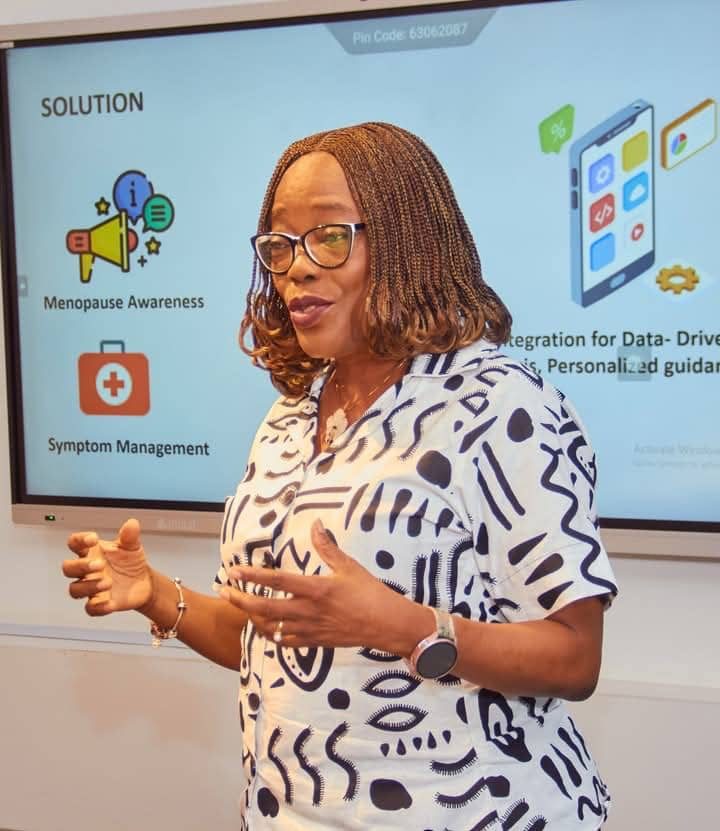
Adeyinka Aderoju, 63, built a menopause-support platform, Meno Heaven, comprising a mobile app, a website, and a WhatsApp community of about 500 women. The solution, which won her ₦1 million at FemNest Lab, serves women between 45 and 65 who are going through perimenopause and menopause.
According to her, the platform helps women understand their symptoms and connect with medical and lifestyle experts, while the WhatsApp group, where members ask questions and experts also contribute, is the most active part today.
In an exclusive interview with Technext, the founder of Meno Haven explained why she ventured into tech in her 60s and why age should not decide who gets to build technology.

Adeyinka Aderoju, who holds a day job and also runs a market research firm, said her journey into tech began about three years ago, when she took courses to explore interests beyond her long-standing work. She then seized a pitch opportunity advertised through the programme and presented her idea for a platform for women going through menopause. Her original plan was to build it on a no-code platform.
A major breakthrough came when she won an innovation prize at FemNest Lab, an initiative of Heels & Tech, the Nigerian EdTech organisation founded by Bisola Alabi. According to the organisation, the first cohort had four women turning personal experiences into technology: a platform for menopausal and perimenopausal women, an AI-enabled breast cancer detection solution, reproductive healthcare for rural communities, and health education for girls in schools.
Before pitching, participants went through an incubator of about two weeks, with classes and mentoring from women who had built platforms of their own. The mentors helped the participants understand how to build a pitch deck, what to include, and what to expect afterwards.
Sessions often began at 7 or 8 pm and sometimes ran until 11 pm or midnight, particularly when each participant had to present to a panel. Aderoju, however, saw it as a necessary phase.
“It wasn’t really a tough moment,” she said. ‘‘I guess it would be something that was not totally convenient, because those sessions were held in the evening.”
Breaking the silence around menopause
The sexagenarian said she built the platform because menopause is widely misunderstood in Nigeria, across Africa and around the world. Many women do not recognise what is happening to them because information is scarce. It is often treated as shameful or as the end of a woman’s life, when in reality it is just a stage in life, not a disease.
Public awareness often stops at hot flushes, while sweating, insomnia, hair loss, skin problems, reduced sexual interest, vaginal dryness and painful sex go unlinked to menopause. Because some of these symptoms are intimate and private in nature, there is suddenly a stigma around them, with women hesitating to discuss them or seek help. This taboo can leave them isolated, distressed and depressed.
Adeyinka Aderoju’s community gives members an environment to ask questions openly. Describing the cost of the lack of awareness, she told the story of a woman who spent ₦500,000 on a prayer-related intervention for insomnia that was, in fact, a symptom of menopause.
“People must be aware. I mean, somebody was paying 500K to a prayer prophet to take her to the mountain and pray because she was having insomnia. She couldn’t sleep, you know. And it was basically just a symptom of menopause.”
She also challenged the idea that menopause starts at 50. Some women reach early menopause around 35, and in rare cases earlier, with causes including hysterectomy, medication and other health problems. She aims to educate, raise awareness and help women navigate their symptoms.
Her vision extends to workplaces. She wants to educate employers, companies and HR teams so that women experiencing menopause are supported and not pushed out, noting that women remain in senior and board roles well into their 50s and 60s. She pointed to menopause-friendly workplaces in the UK as an example.
“I know that in the UK there are companies, major big multinational companies, who have a badge on their wall that they are menopause friendly. And what that means is that they support the women who work in the organisations, even when they’re going through menopause,” She said.
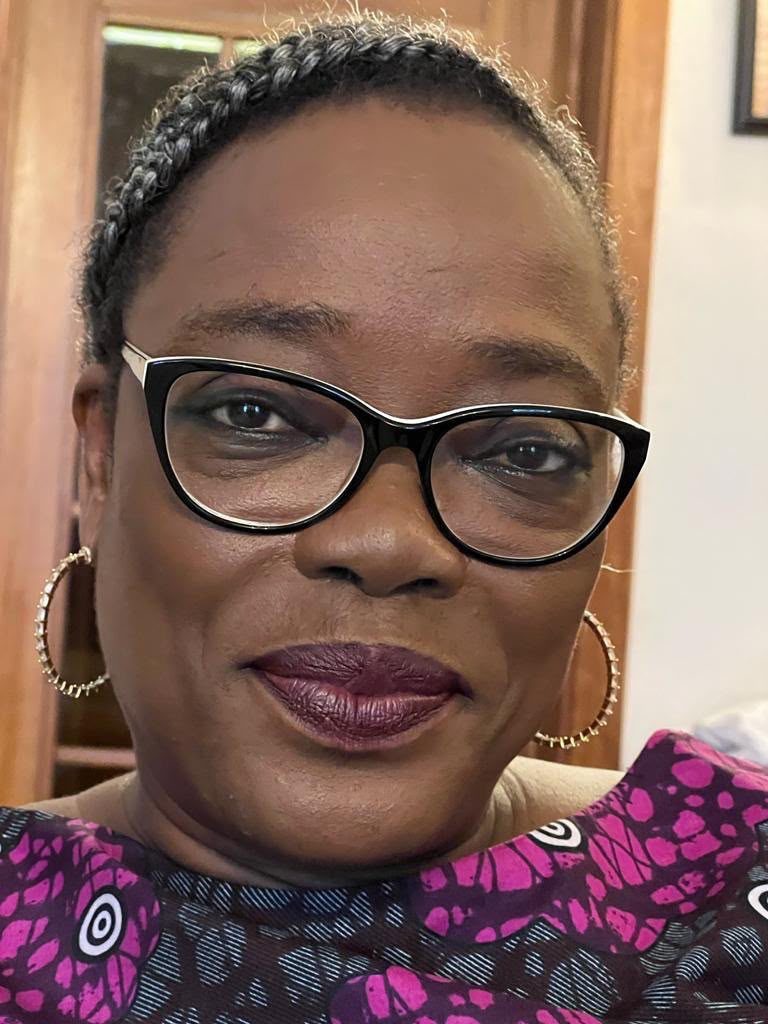
Aderoju said she doubted herself more than anyone else did when she started. She turned 60 during her course, and once classmates learnt her age, some stopped using her first name and began calling her “Pastor” or “Mommy”. This change made her wonder whether she belonged in an environment of young people.
However, those around her kept her going. Organisers and fellow participants encouraged her to go ahead, and the judges responded warmly to her idea. She added that some of the people involved in the pitch were themselves learning about menopause for the first time, which reinforced why the work she put into raising awareness matters.
“I must really commend Bisola Alabi. She was such an encouragement. She was like, ‘No, please go ahead.’ Everybody encouraged me.”
One of the women on the panel told her she was so impressed that she would introduce her to her mother.
“She started calling me ‘my mom’s new best friend’. They made it so easy for me.”
Asked what needs to change in the tech industry, she said technology should not be presented as exclusively for young people. She wants older women to be more visible in adverts, events and outreach, with a clear message that people can learn technology at any age. Campaigns urging people over 40 to learn AI are a good start, she said, but broader representation matters so that older women do not feel excluded.
Her message to the world, which is also her guiding belief, is that “nothing is impossible.” To her, age should not end anyone’s ambitions. Inactivity, not age, is what limits people. There is, in her words, “plenty of hope and plenty to do.”
Adeyinka Aderoju’s story shows what can happen when women are given the tools and the environment to turn lived experience into technology. Her platform has already given hundreds of women a place to talk about a subject many are told to keep quiet about.
Read also: Flutterwave’s Wendy Akomolafe-Kalu on why trust, not attention, will transform fintech marketing
