



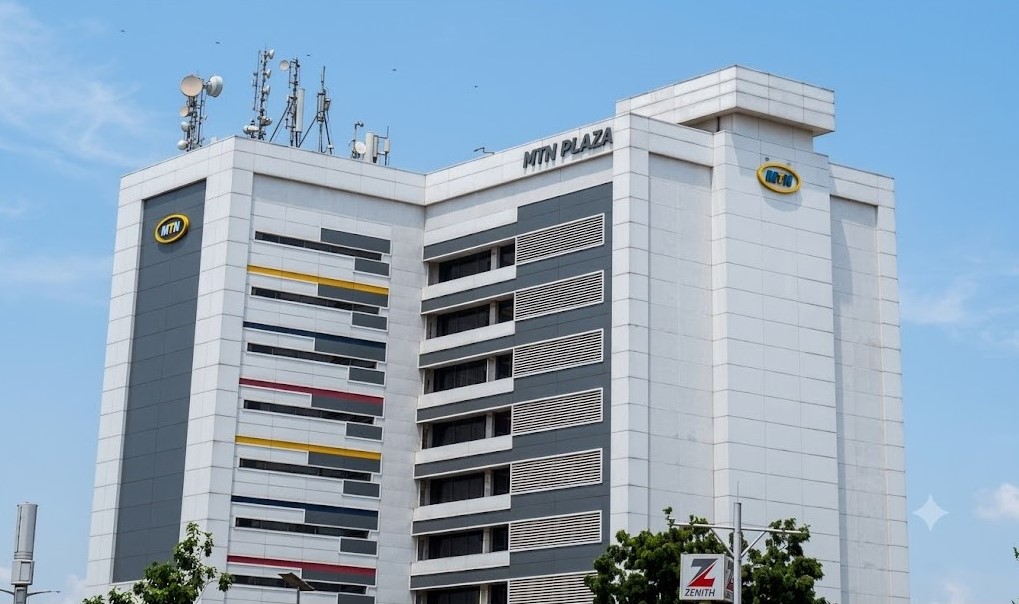
Karl Toriola, CEO of MTN Nigeria, has condemned all forms of xenophobic violence, particularly the recent attacks that have forced many Nigerians and other African citizens to leave South Africa
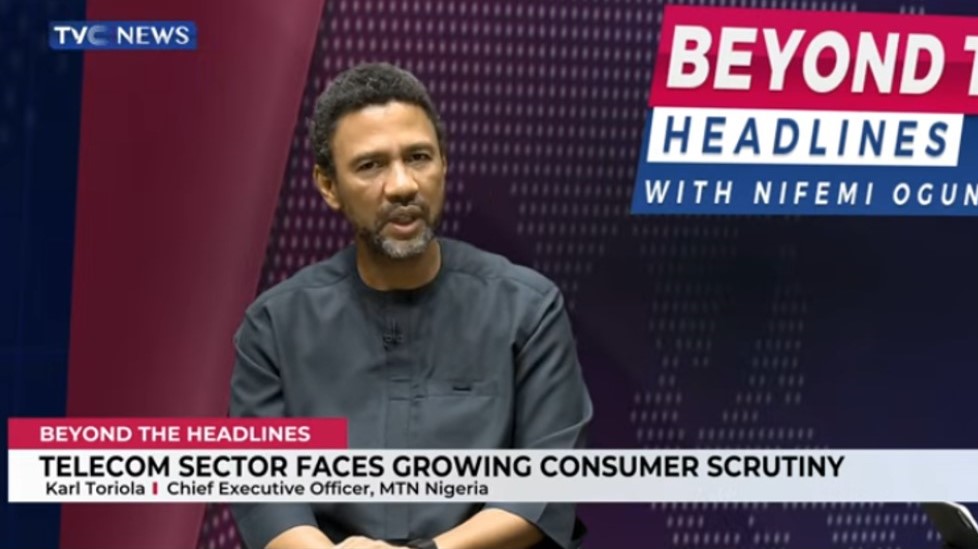
In a conversation on Thursday during the “Beyond the Headlines” program on TVC News, Karl Toriola distanced MTN Nigeria from attacks on individuals perceived as foreigners, hate crimes, and various acts of violence.
“We unequivocally condemn any form of xenophobia, any form of violence, any form of attacks against any community in the world,” he said during the live show.
The conversations became significant following ongoing Xenophobic attacks on non-South Africans living in South Africa. Amid these tensions, some Nigerians, especially a Nigerian senator and former governor, Adams Oshiomhole, argued that South African businesses should face some consequences in Nigeria.
Speaking before the House of Representatives in May, he proposed that Nigeria should nationalise MTN or revoke the operating licences of South African companies operating in Nigeria, such as DStv. He further argued that while these companies remit significant revenue out of the country, Nigerians continue to face attacks in South Africa.
Aside from MTN Nigeria being at the centre of the xenophobic tensions, MTN Ghana is caught in the same crossfire.
Weeks ago, protesters from the “South Africa Must Go” movement marched to MTN Ghana’s head office in Accra in a demonstration against South Africa’s anti-immigration actions. The movement was not only physical, but attention also shifted online to wipe out South African businesses in Ghana.
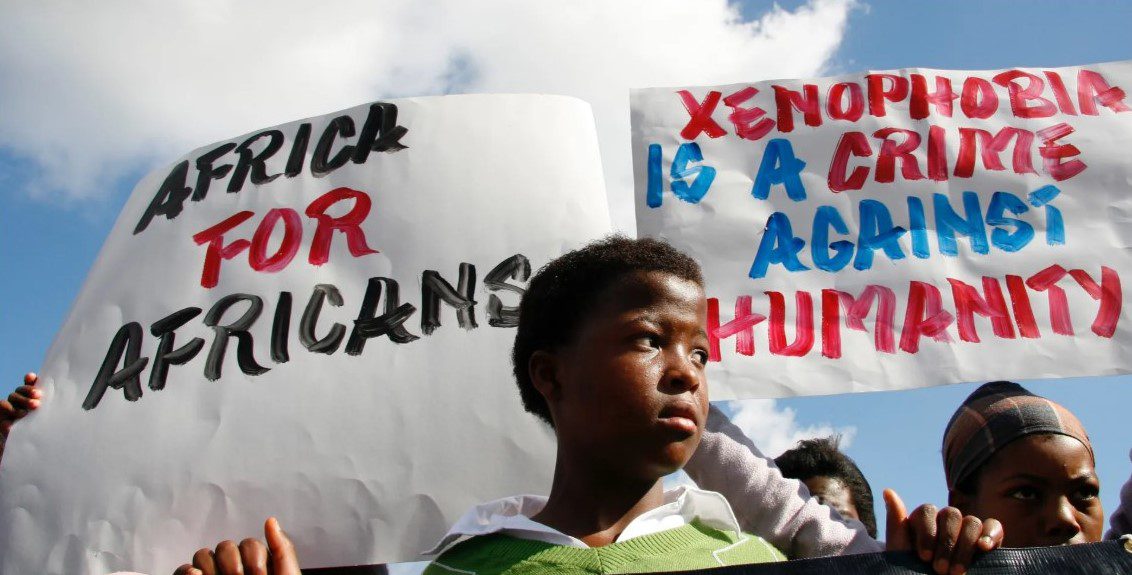
As the xenophobic attacks continue to trigger regional tensions, posing security issues and a threat to life, countries such as Nigeria, Ghana, Malawi, Mozambique and Zimbabwe have organised voluntary repatriations and evacuations for their citizens from South Africa.
Also Read: MTN Ghana targeted as ‘South Africa Must Go’ protests hit Accra.
Toriola insists MTN Nigeria is a Nigerian company
While the heat peaked, many public commentators have called for an attack on the telco in retaliation. But Karl clarified that MTN Nigeria is a Nigerian company.
“We’re a Nigerian company, through and through,” he said, adding that the telecom operator is “listed on the Nigerian Stock Exchange with over 201,000 retail investors, and 11 million people hold shares through their pension funds in MTN Nigeria.”
While acknowledging a link with the parent company in South Africa, he explained that the group’s shareholding is not entirely concentrated there.
“The shareholding of MTN South Africa is only 50% African; the balance 50% is from across the world: 27% are from the USA, then comes the UK, Europe, the Middle East, and others,” he noted.
Karl added that MTN provides a digital backbone for the economy, pays taxes to Nigeria and importantly has a Nigerian leadership: only one expatriate in its executive committee.
Karl extended the context to how the company had exported talent from MTN Nigeria and other Nigerian entities to MTN Group, such as Uche Ofodile, a Nigerian who serves as the CEO of MTN Benin. Another is Chika Ekeji, head of strategy and transformation at the group.
“You can think of MTN Nigeria as Nigerian Breweries; we’re completely Nigerian,” he said, and hinted at plans to build a headquarters in Nigeria to establish deeper roots.
As regional tensions on xenophobia place a stain on MTN companies outside South Africa, proposed diplomatic resolutions or crackdowns continue to carry weight across major headlines.
