


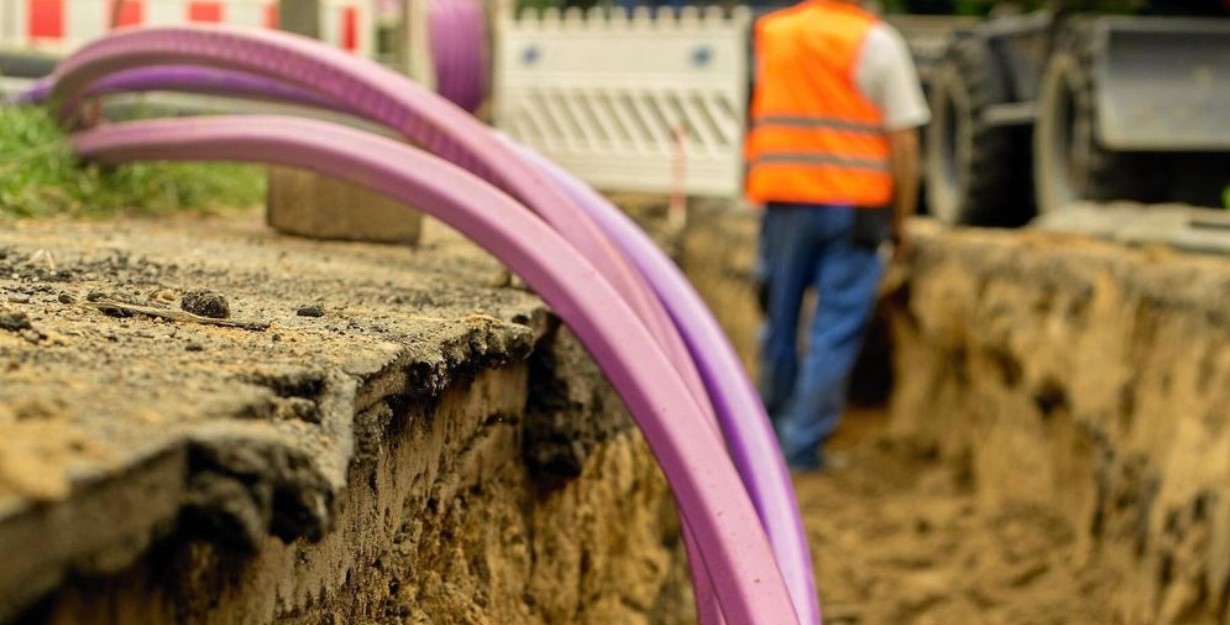
Nigeria’s digital demands are growing, but associated Right of Way (RoW) costs and approvals continue to hinder infrastructure deployment, especially fibre optic cables. The Nigerian Communications Commission (NCC) and other stakeholders have urged the state government to cut and harmonise Right of Way and site permit charges.
The recommendations were drawn from the Nigeria Digital Connectivity Investment Forum, 2026, which was held at the Onomo Allure Hotel, Abuja, on September 29-30, 2026, and was convened by the NCC in partnership with Swedfund and Ookla.
In the statement seen by Technext, the move to cut Right of Way costs comes amid the need to set out national digital infrastructure and investment priorities and also expand opportunities for telecom operators and relevant partners to roll out infrastructure.
In addition, stakeholders and telecom experts recommend that the state government adopt the federal government’s Right of Way model. In this case, the operator that lays fibre reinstates the road and shortens permitting timelines.

Also Read: 12 Nigerian states waive right of way fees to bridge digital divide – but challenges persist.
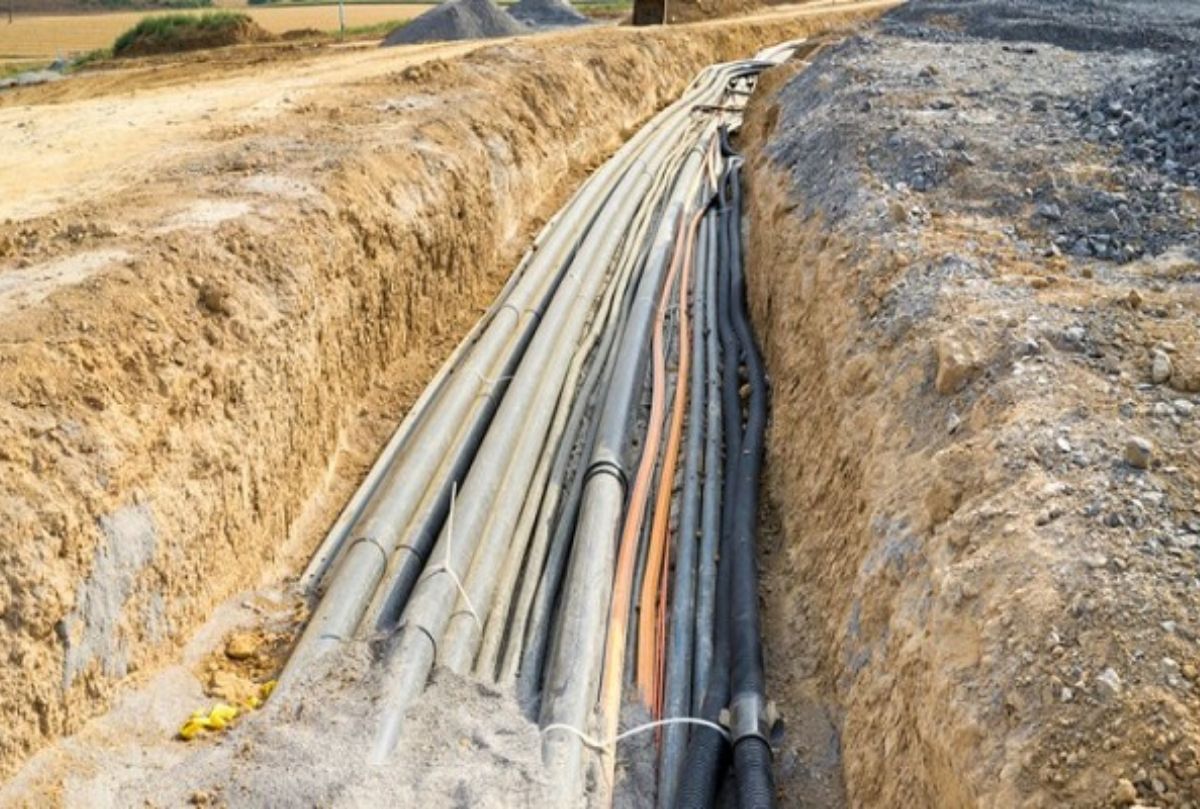
Right of Way is a levy telecom operators pay to state governments to lay fibre optic cables that carry internet traffic on state roads. Aside from other bottlenecks such as vandalism, equipment theft, and fibre cuts, Right of Way’s high cost and its rigid approval process often delay fibre optic cable deployment.
Beyond how it reduces the pace of digital infrastructure, it also hinders the expansion of nationwide mobile and broadband connectivity. Nigeria consumed about 1.6 million terabytes of data in July 2026, an increase of almost 47% in twelve months, and subscriptions are projected to grow from about 195 million towards 350 million within ten to fifteen years, showing how demand is outgrowing the networks.
Cloud computing and artificial intelligence are also expected to increase demand for networks, data centres, and energy.
Cutting Right of Way costs is a practical way to accelerate investment and expand meaningful connectivity. In this regard, stakeholders encouraged the NCC to engage with the state government on harmonising the Right of Way tariff and push for adjustments.
The reforms are significantly necessary. The pilot of the Nigeria Digital Connectivity Index across twelve States shows Right of Way reform translating directly into fibre growth of between 22% and 95% in reforming States.

Right of Way cost issues
For telecom operators, it’s not about acquiring thousands of kilometres of fibre optic cables; it’s about navigating the high fees demanded by some state governments, which have been a leading hindrance in rapid infrastructure implementation.
The federal government recommended rate agreed upon by the Nigerian Governors’ Forum is ₦145 per linear metre for fibre optic cables. However, rates vary significantly by State. While some states have waived fees or aligned with the ₦145 rate, many other state governments charge higher or custom rates.
States such as Zamfara, Katsina, Anambra, Kebbi, Nasarawa, Bauchi and others have completely waived Right of Way fees for telecommunications and broadband operators to encourage fibre optic deployment. Meanwhile, the removal of levies comes with associated costs.
For instance, while Adamawa State removed Right of Way fees completely, telecom operators must still pay ₦100,000 per application. In Cross River, despite agreeing to the ₦145/linear meter, it still demands ₦250,000 in application fees.
In Ekiti, there’s an application fee of ₦700,000 despite agreeing to the standard ₦145, the highest in the country. Also, Taraba adds ₦350,000 in application charges while Oyo collects a ₦50,000 application fee. In Yobe, operators still pay the ₦145/linear meter, plus a ₦25,000 application fee.
The hidden fees, in addition to different taxes, are identified as crippling investment decisions. Stakeholders also pointed out that fibre deployment projects are often delayed or abandoned due to multiple charges, particularly in states with the highest fees.
