





The Nigerian Education Loan Fund (NELFUND) is transitioning from its current method of paying tuition fees directly to tertiary institutions to a digital token-based payment system. This new system will enable students to authorise their own payments, as announced by Managing Director Akintunde Sawyerr.
Sawyerr revealed the plan during an interview, describing the upgrade as a direct response to a persistent problem that has affected the student loan scheme since its inception. This issue involves students who paid their tuition fees out of pocket while waiting for their NELFUND loans to be processed.
Subsequently, NELFUND transfers the same amount directly to the school, leading to double payments and disputes with the institutions. NELFUND publicly condemned this situation last week.
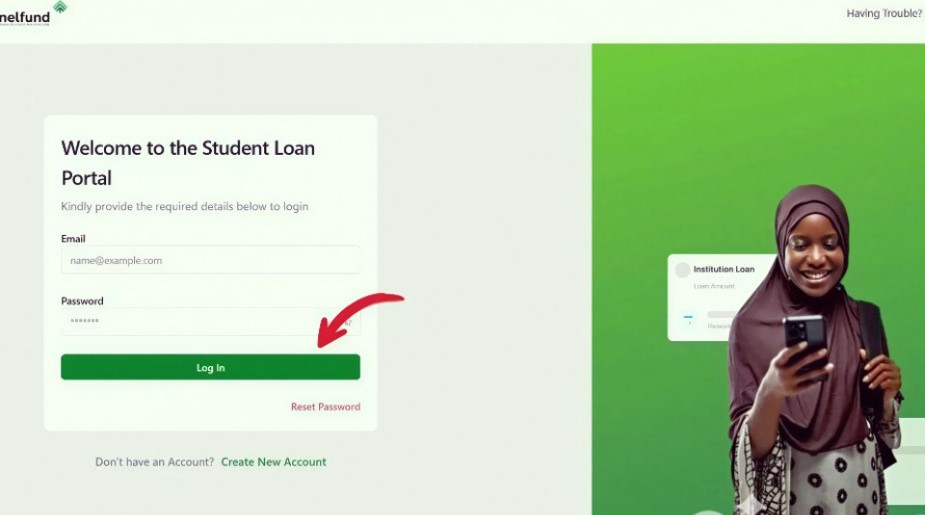
Under the proposed system, instead of NELFUND wiring tuition directly to university bursaries, the loan amount will be issued as a digital token accessible to the student on their phone. When the student is ready to pay, they go to the bursary and authorise the payment themselves.
“We’re looking at a tokenised system where the student has the funds effectively as a token on their telephone, and when they go to the bursary, they can effectively push a button that makes the payment, and then they’re allowed to carry on with classes,” Sawyerr said.
Once the upgrade is complete, NELFUND will stop transferring tuition fees directly to institutions entirely. “It will mean that we no longer pay the schools, the student pays the schools, but through a token,” he added.
Why NELFUND is not paying students directly
The main question prompted by the announcement is why NELFUND doesn’t simply deposit tuition money directly into students’ bank accounts for them to use. Sawyerr responded by explaining that providing students with unrestricted access to loan funds would create risks that the program aims to prevent.

“We chose not to pay students directly for the loans because that would take us into an entirely new area where students get paid for the fees, and they can then make the decision as to whether they want to go to school or not,” he said.
The token model threads that needle. Students retain control over when the payment happens, resolving the double-payment problem, but the funds are ring-fenced for tuition and cannot be diverted. Upkeep stipends, which are a separate component of the loan, continue to be paid directly to students as before.
Sawyerr also said NELFUND is aligning its disbursement cycles to match academic calendars, which was identified as a root cause of many of the double-payment cases. The scheme launched in the middle of an academic session, forcing many students to pay fees themselves to meet registration and exam deadlines before their loan applications were processed.
That timing mismatch created the conditions for the complaints that have accumulated over the past year.
Since launching in May 2024, NELFUND has disbursed N206.29 billion in student loans to over 1.16 million beneficiaries out of the 1.73 million who have applied. The token upgrade is expected to strengthen accountability across that growing beneficiary base as the programme scales further.
Similar read: NELFUND condemns universities over tuition refund delays and fee increases
