


A ruling from a Kenyan court has overturned the government’s sale of a 15% stake in Safaricom to Vodacom, leading to complications in Vodacom’s loan agreements and prompting the company to seek waivers from its lenders.
In its financial report for the six months ending September 30, 2026, Vodacom revealed that the court’s decision, made on September 15, came shortly after the sale was finalised. The ruling activated default clauses in some of Vodacom’s loans. These clauses can trigger early repayment demands from lenders if certain events, such as legal issues with other lenders, occur.

While Vodacom has not missed any loan payments, the legal ruling increased the risk that some lenders might demand repayment sooner than expected. In response, Vodacom shifted around $141 million of its long-term debt to short-term debt, as it couldn’t guarantee it could delay repayment for another year.
Similar read: Vodacom to keep 15% Safaricom stake pending Court of Appeal’s ruling on $1.9 billion deal
The court decision also impacted funds that Vodacom was due to receive from Safaricom. Approximately $73 million in dividends was stuck in a special account and could not be withdrawn due to an agreement with Stanbic Bank Kenya related to an earlier loan default.
Fortunately, Vodacom has managed to obtain waivers from the lenders affected by the court ruling, meaning they will not take action over the defaults resulting from this situation.
Safaricom deal increases Vodacom’s debt
Vodacom is facing a court dispute related to its recent acquisition of Safaricom, which has resulted in a significant increase in the company’s debt. Over the past year, Vodacom’s net debt jumped by approximately $4.8 billion, reaching a total of $8.3 billion. This surge is partly due to the funds borrowed to purchase Safaricom, along with assuming some of Safaricom’s existing debt.
As a result, Vodacom’s financial leverage has also increased, with its net debt-to-EBITDA ratio rising from 0.9 to 1.6. This shift means that the company now has more debt relative to its earnings, raising concerns about its financial stability.
The dispute over ownership of Safaricom remains unresolved. A recent High Court ruling could potentially reduce Vodacom’s stake in Safaricom from 55% to around 40%, risking its control over the Kenyan telecommunications giant.
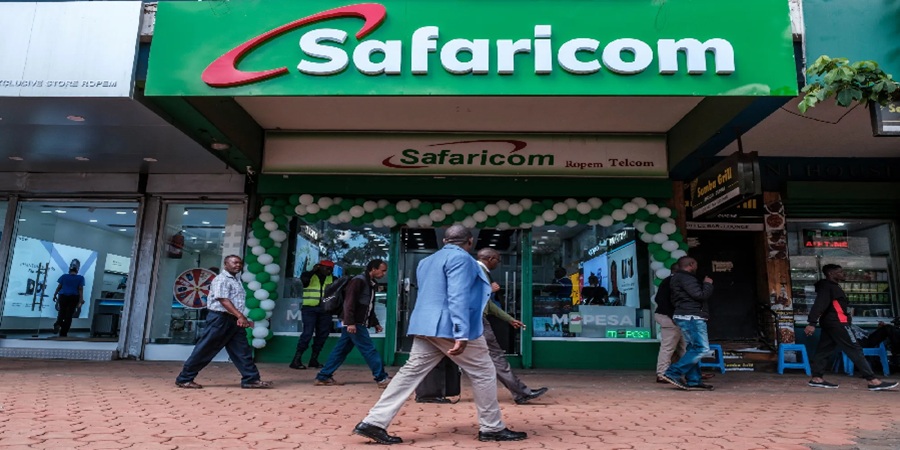
In the meantime, Kenya’s Court of Appeal has instructed that the current shareholding structure will stay in place while the case is reviewed. Vodacom expects a court hearing to take place before the end of December. The Kenyan government, along with Vodafone Group and Vodafone Kenya, is also contesting the ruling.
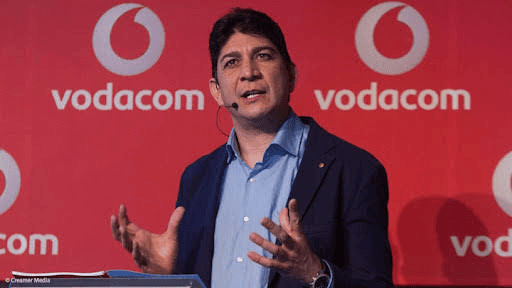
Despite these legal challenges, Vodacom CEO Shameel Joosub expressed confidence in the acquisition, emphasising the strategic reasons behind their decision to invest in Safaricom.
Also read: Airtel Africa to pay interim dividend of ₦41.77 per share on Dec 11
