



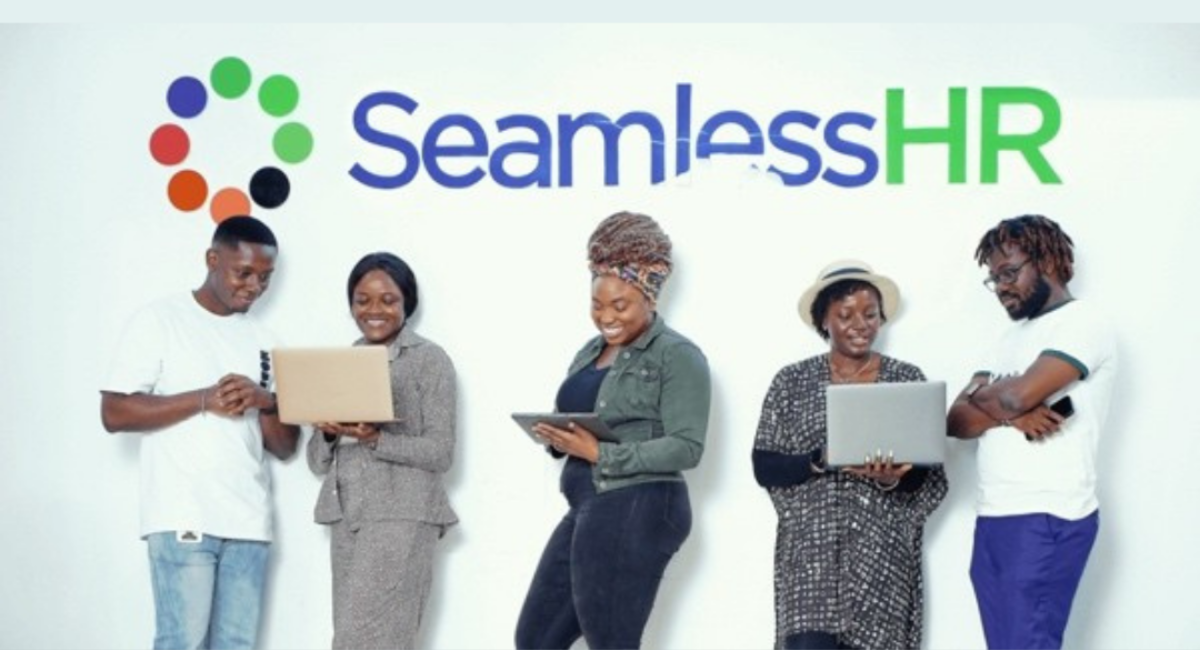
For eight years, SeamlessHR built a reputation for itself, helping African companies manage payroll and HR without the spreadsheets and paperwork that used to define the job. That name is now retired. The Lagos-based company announced today, 15 July, that it is rebranding as Seamless Technologies, and the new name comes bundled with an AI assistant, an embedded finance arm and a fresh product for blue-collar workforces.
It’s a familiar move in African tech right now: outgrow the category you were known for before someone else claims the bigger one. HR software was never going to be a large enough box for a company sitting on payroll data for roughly 300,000 employees across 20 countries.
Under the new structure, Seamless Technologies runs through three verticals. SeamlessHR remains the flagship workforce management platform. Breeze is the embedded finance arm, giving businesses and their staff access to payroll financing, earned wage access and other lifestyle-linked financial products. SeamlessProcure rounds it out as a procurement and vendor management tool for enterprise buyers.
Sitting across all three is Samira, described in the announcement as the company’s artificial intelligence layer, built to automate tasks and surface insights for both employers and workers using the platform.
There’s also a new product: BWOP, short for Blue Collar Operations Platform, aimed at frontline and shift-based workforces, a segment that traditional HR software in Africa has historically underserved, given how much of it was designed around office-based headcount.
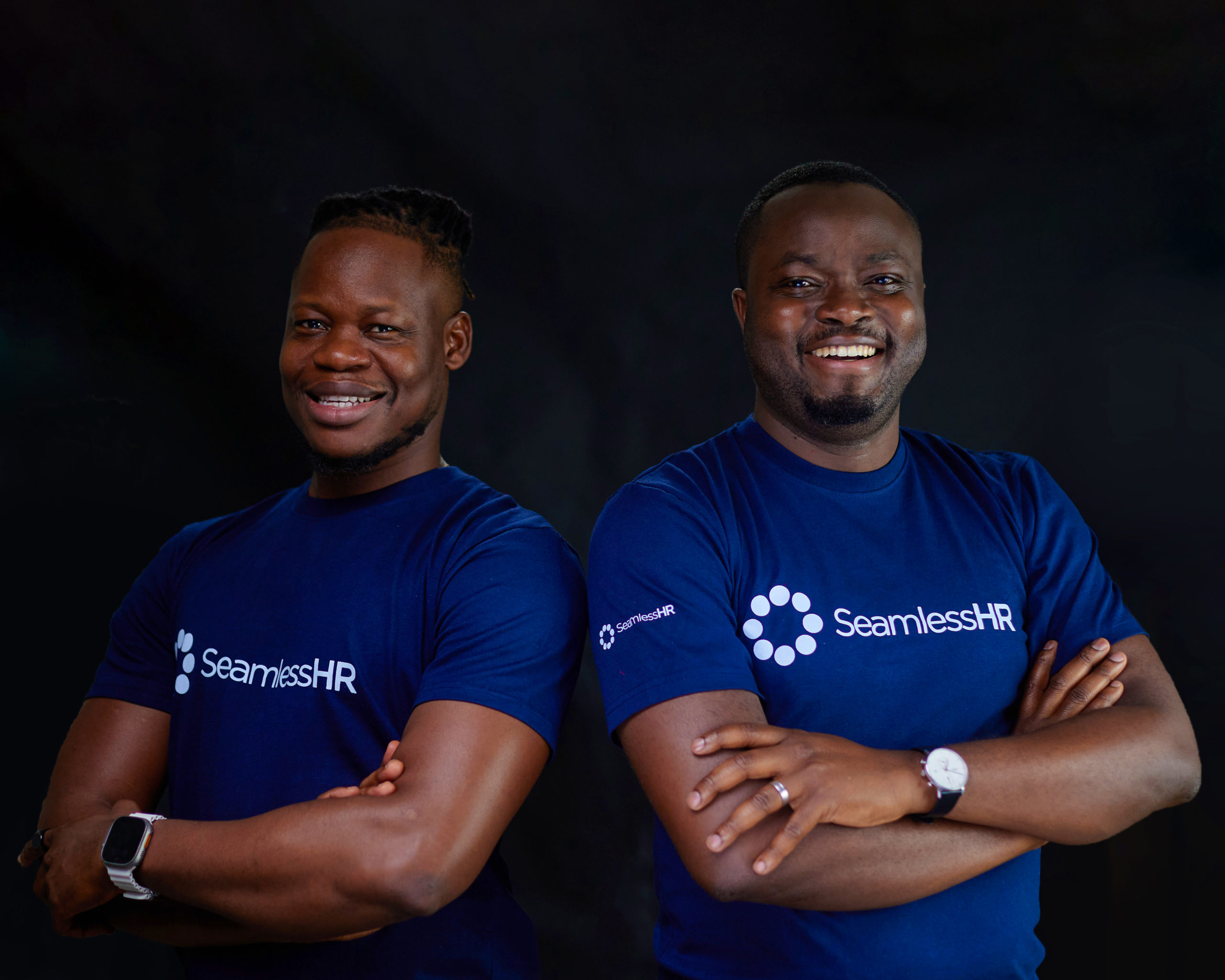
Commenting on the transition, Dr Emmanuel Okeleji, CEO and Co-Founder of Seamless Technologies, said, “This evolution reflects a much bigger opportunity than HR technology alone. As we looked at the challenges facing businesses and workers across Africa, it became clear that access to finance sits at the centre of economic participation and productivity. Our expansion into financial services is a natural extension of our mission, and Seamless Technologies gives us the platform to solve these challenges at a much larger scale.”
Chief Technology Officer and Co-Founder Deji Lana added, “The future belongs to platforms that connect people, work, and financial services seamlessly. Through financial solutions, artificial intelligence, and our growing suite of products, we are building infrastructure that helps businesses operate more efficiently and enables workers to access more opportunities.”
Why SeamlessHR’s pivot makes commercial sense
This isn’t a company reinventing itself from nothing. SeamlessHR was founded in Lagos in 2018 by Dr Emmanuel Okeleji and Deji Lana and has raised roughly $28.2 million from investors including the Gates Foundation, Capria Ventures, Helios Investment Partners and Olive Tree Capital.
Last year’s funding round is the clearest signal of where this rebrand has been heading. SeamlessHR pulled in a $9 million Series A Extension led by the Gates Foundation and Helios Digital Ventures, and at the time, the company was explicit that the money would fund embedded finance products and continental expansion, including scaling up AI-driven analytics on the platform.
The Gates Foundation’s country director for the region framed the bet in plain financial-inclusion terms, saying the foundation was excited about SeamlessHR’s potential to enable access to critical financial services for millions of hard-working, formally employed Africans. In other words, the rebrand announced today isn’t necessarily a new strategy. It’s a new name being put on a strategy that investors have already been funding for eighteen months.
The financial inclusion argument and its limits
The pitch behind Breeze, and behind embedded finance generally, is that formal employment can act as collateral. If a platform already verifies someone’s salary and employment status, it can underwrite earned wage access or short-term credit more cheaply than a traditional lender can. That’s a real efficiency gain in a market where formal credit histories are thin.

It’s also not a novel idea in Nigeria’s crowded fintech-meets-HR space. Products like PayDay and Bento Africa have been building similar earned-wage-access and payroll-linked lending features for salaried workers over the past few years, and banks, including Moniepoint, have partnered directly with SeamlessHR before on salary payment infrastructure. What Seamless Technologies is betting on isn’t that embedded finance is a new category; it’s that owning the HR data layer gives it a structural edge over standalone lenders trying to build that trust from scratch.
The big question is the regulatory bottleneck. Payroll-linked lending and earned wage access sit in a grey zone in several African markets, including Nigeria, where the Central Bank and state consumer protection frameworks haven’t fully caught up with the model. Companies in this space have had to navigate licensing questions on a market-by-market basis, and Seamless Technologies’ expansion plans will likely run into the same friction as it scales Breeze across new countries.
For now, Seamless Technologies has the balance sheet and the customer base, nearly 2,000 businesses, by the company’s own account, to make a credible run at becoming more than an HR vendor. Whether it becomes Africa’s embedded finance layer for formal employment or just a bigger HR company with a fintech feature bolted on is still an open question.
