




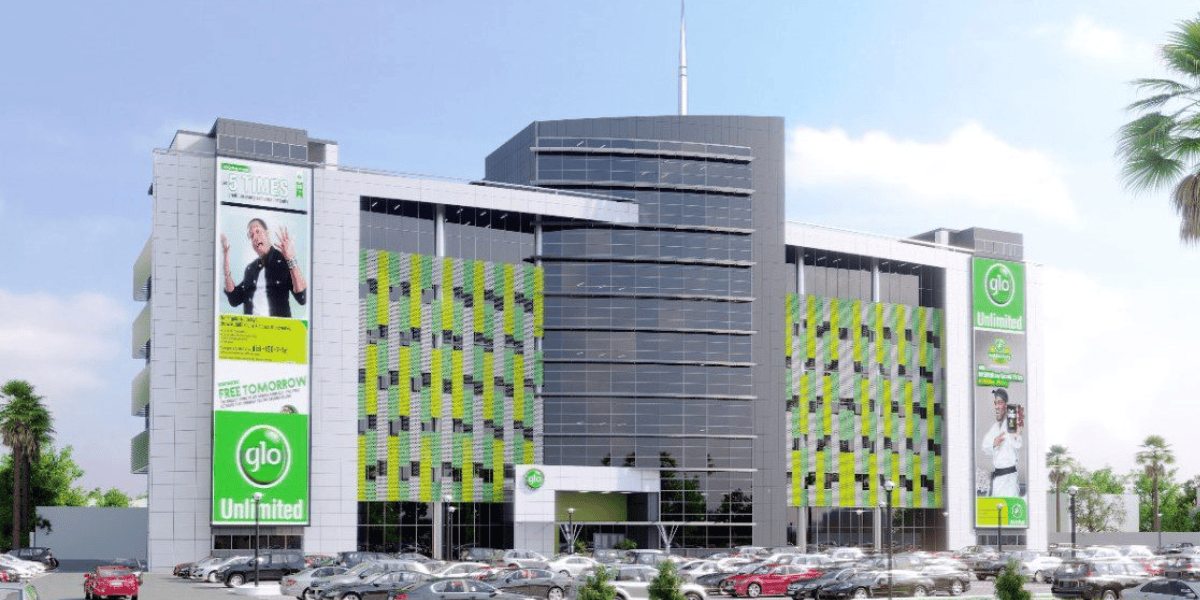
Telecoms operator Globacom lost close to 46,000 customers in August 2026, dropping from 23.63 million in July to 23.58 million. This is according to the latest industry report by the Nigerian Communications Commission (NCC).
Leading telecoms company MTN Nigeria was the biggest winner for the month, adding close to 1.7 million users, and has now further cemented its lead at 102.6 million. By this figure, MTN contributed to 74% of the Nigerian telecoms industry’s new additions.
Recall that in the previous report, MTN Nigeria reached 100 million subscribers, becoming the first Nigerian telecom operator to reach such a milestone. The new addition of nearly 2 million surpassed the 1.2 million recorded in July, reflecting how Nigerians continue to onboard with the operator despite recent complaints about network quality and data depletion.

Also read: Users demand compensation as MTN restores internet service after 8 hours of downtime.
Following MTN is Airtel Nigeria, as the operator gained about 660,000 new users in August. The addition now places the operator at 67.4 million users, up from 66.8 million users recorded in July 2026.
T2mobile (9mobile) recorded neither a dip nor a surge, with subscriber count at 3.6 million, the same as July. This is the third time in eight months that the operator has had a stagnant subscriber count. The first two were May and June, when the operator reported the same figure (3.5 million) as it had in April.
For T2mobile, the race to regain its lost place continues. A stagnant figure only means that the operator had no official reporting record to the NCC or couldn’t meet the reporting timeline.
Overall, the Nigerian telecom industry added 2.3 million users, an increase from 194.86 million in July to 197.17 million in August.
More telecom users, more infrastructure
When Nigeria possesses one of the biggest telecom bases in Africa, the ironic aspect of the development is how increasing users translate into a need for infrastructure upgrades and financing.
The continuous influx of new users creates a heavy infrastructure bottleneck for Nigerian telecom networks. As subscriber bases surge month on month, networks face multi-layered physical and technical strains.
In fact, studies show that new users are mostly concentrated in expanding urban centres. When hundreds of new subscribers connect to the same localised cell tower, they put pressure on the available wireless spectrum. Regulatory data from the NCC shows that this high density is the primary driver of network congestion.

To this, telecom operators are expected to increase their towers and capital expenditure at least at the same rate as new subscribers.
According to the Association of Licensed Telecom Operators of Nigeria (ALTON), mobile network operators and tower companies collectively invested ₦2.53 trillion in capital expenditure on network infrastructure in 2025, with a further ₦1.86 trillion earmarked for 2026.
