




As Nigeria prepares for its 2027 elections on 16 January 2027, TikTok has outlined its election integrity approach, including the platform’s safeguards, partnerships with electoral authorities and media organisations, and engagement with various stakeholders across the country.
Its dedicated specialists are leading this work, deploying additional safety and cybersecurity measures to help secure the platform. The election task force includes experts in platform integrity, cybersecurity, deceptive behaviour, misinformation, and election integrity.
These teams work alongside advanced moderation technologies and local language moderators to enforce TikTok’s Community Guidelines and protect users across the platform. This work forms part of TikTok’s ongoing, year-round commitment to protecting the integrity of the platform and ensuring a safe, authentic, and creative experience for its Nigerian community.
Drawing on experience in securing the platform through more than 300 elections worldwide, TikTok’s preparations include a partnership with the Independent National Electoral Commission of Nigeria (INEC), training workshops in partnership with the Nigeria Union of Journalists (NUJ) and its fact-checking partner, Code for Africa, as well as ongoing engagements with various stakeholders in the country.
“As important civic events such as Nigeria’s elections unfold, upholding platform integrity is at the heart of our mission. We recognise that no platform can tackle modern information challenges alone; that is why we actively deepen our partnerships with independent fact-checkers, the Independent National Electoral Commission, and civil society experts such as DUBAWA, ensuring that we lean into local context and understanding of the realities on the ground,” said Lorenzo Andreozzi, Global Integrity Programs Lead at TikTok.
Similar read: Keagile Makgoba is what happens when ambition meets opportunity in tech
Supporting responsible election reporting
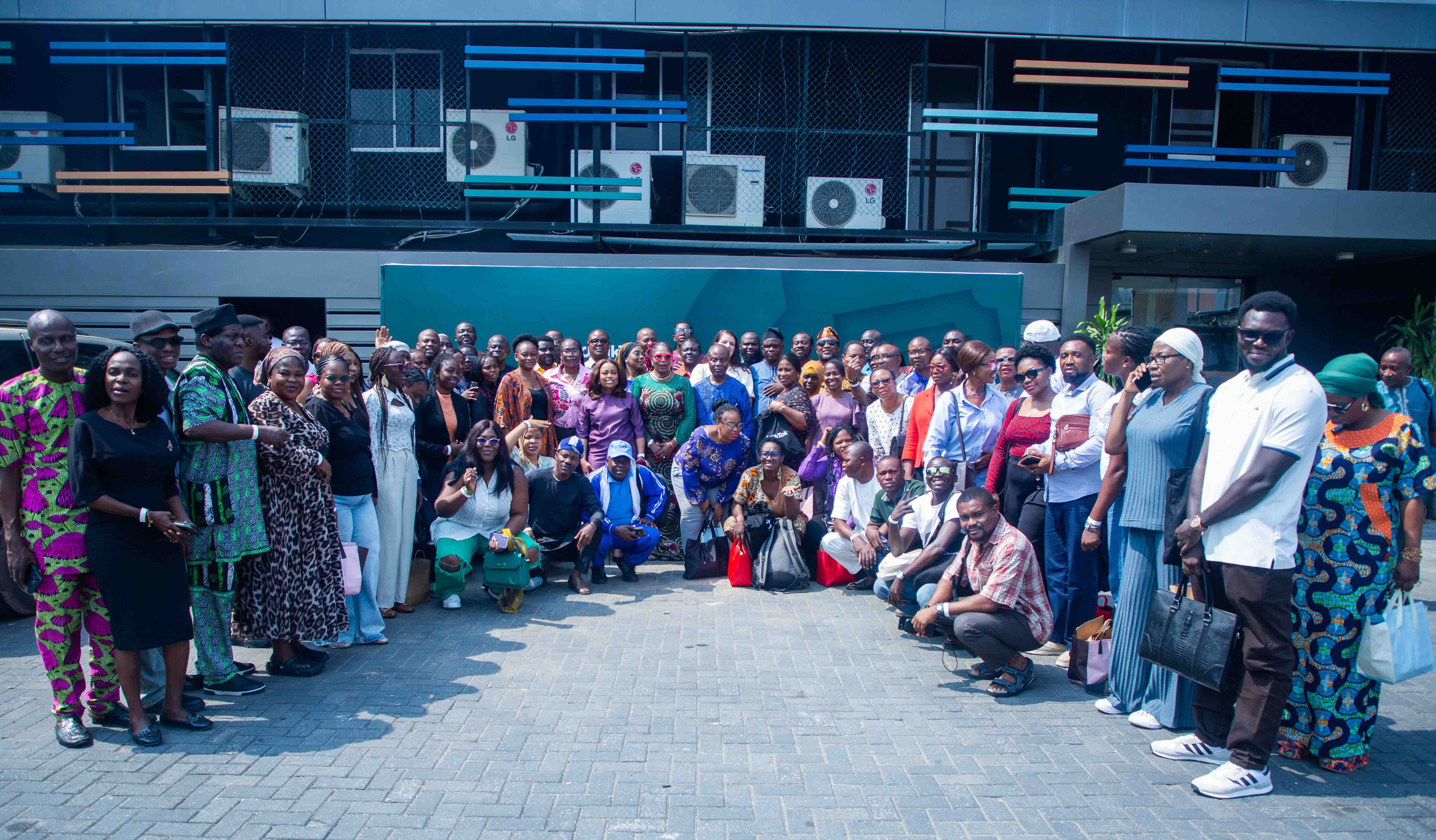
Through its ongoing partnership with the Nigeria Union of Journalists (NUJ) and Code for Africa, TikTok is training more than 300 media professionals across states such as Lagos, Abuja, Ogun, and Oyo on the platform’s content ecosystem and how they can play a role in strengthening information integrity.
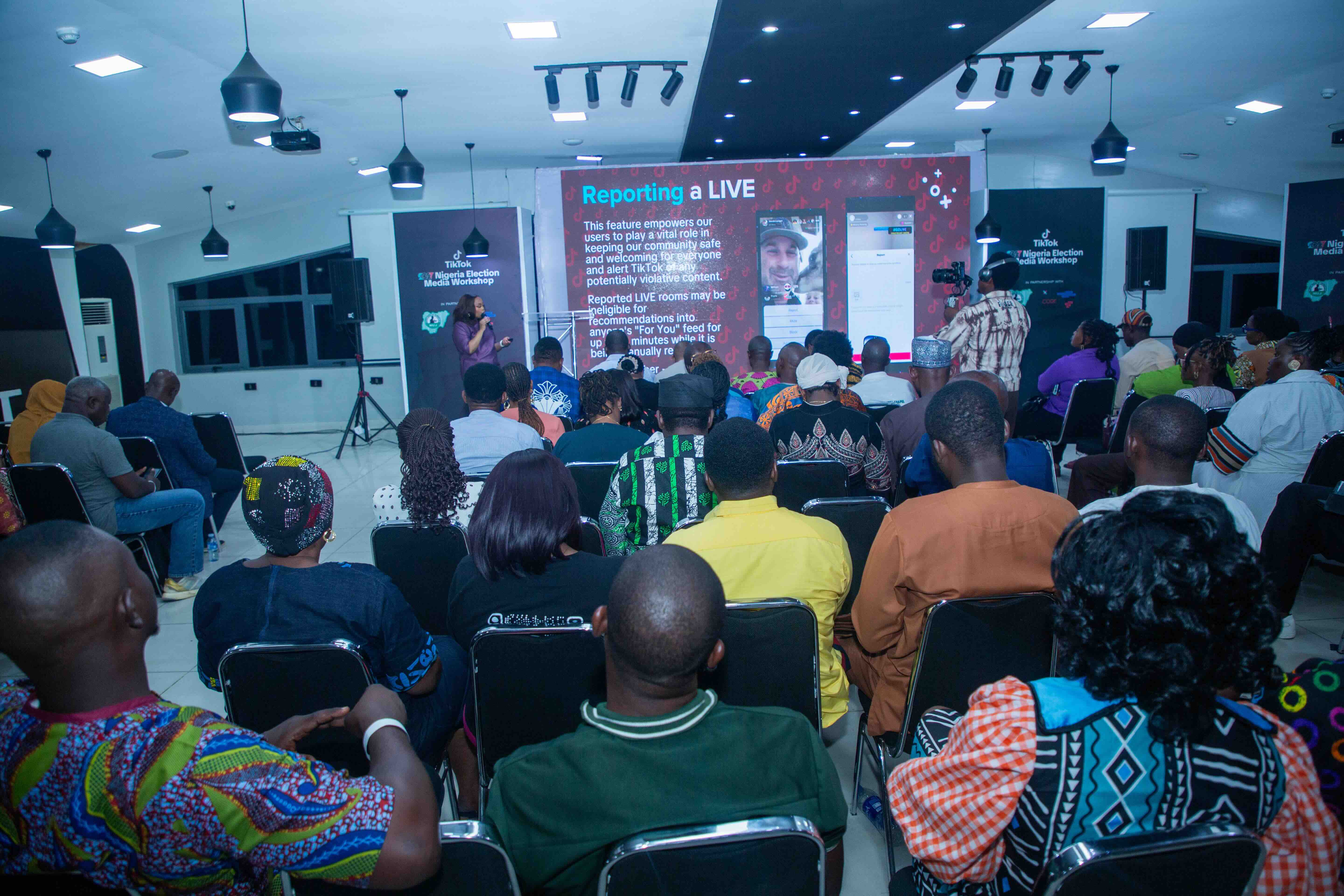
“This training, delivered in partnership with TikTok Africa, is timely as we prepare for the forthcoming general election, as it will strengthen journalists’ understanding of digital platforms, responsible content creation, information verification and emerging trends in online journalism. We are committed to continuous capacity building and raising professional standards, and initiatives such as this will help equip media professionals with the knowledge and skills they need to deliver accurate, credible and impactful election coverage,” said Vice Chairman, Nigeria Union of Journalists, Lagos State Council, Comrade Philip Nwosu
Connecting users with official electoral information
In partnership with INEC and DUBAWA, a West African independent verification and fact- checking organisation, the platform has launched an in-app Election Centre where people can find reliable information about voting, key dates and other useful information about the elections, as well as tips about how to recognise misinformation, which represents a pivotal step towards safeguarding the integrity of the electoral process.
To further strengthen its mission, the Election Centre also connects users to a new AI media literacy hub, providing the Nigerian community with guidance on how to identify AI-generated content, use AI responsibly when creating content, and understand how TikTok supports safe and transparent AI experiences on the platform.
“Credible electoral information is essential to voter awareness and understanding of the electoral process. Part of INEC’s commitment in the Electoral process is to engage people from different communities as well as young people who constitute a larger part of the voting population. We strongly believe that this initiative will assist in countering harmful misinformation, disinformation and fake news,” said Victoria-Eta Messie, Director, Voter Education and Publicity at the Independent National Electoral Commission of Nigeria.
Addressing misinformation and deceptive behaviour
Additionally, TikTok said that it removes any content that violates its policies on election misinformation, including false claims about voting procedures and accounts impersonating politicians or news publications.
Where election-related claims cannot immediately be verified, the platform may apply an unverified information label, warn users to reconsider sharing the content and prevent it from
being recommended to the For You feed.
The video content platform works with more than 20 International Fact-Checking Network (IFCN)-accredited fact- checking organisations globally and partners with Code for Africa in Nigeria to help assess information and address misinformation.
These external partners help verify whether claims in content posted are true, false, or unsubstantiated, and based on that feedback, moderation systems apply the Community Guidelines.
Between April and June 2026, TikTok removed more than 210,000 videos for violating its policies on civic and election integrity, misinformation, and harmfully misleading AI-generated content. More than 99% of that content was removed before it was reported to the platform.
The platform also works to identify and disrupt deceptive behaviour, including fake accounts and covert networks designed to manipulate public debate, drawing on technology, specialist teams and third-party intelligence.
Additional safeguards and transparency
TikTok requires all AI-generated content to be labelled and uses tools including its creator AI- generated content toggle, Content Credentials through C2PA and invisible watermarking technology to support labelling.
Since introducing its AI-generated content label, more than 5 billion videos have been labelled through its tools and technologies. Government and political accounts are subject to additional safeguards, including mandatory two-step verification. TikTok prohibits any paid political advertising, including paid creator promotions for politicians or political parties, and restricts political accounts from accessing monetisation features.
Official election entities can advertise to raise awareness about when and how to vote.
