





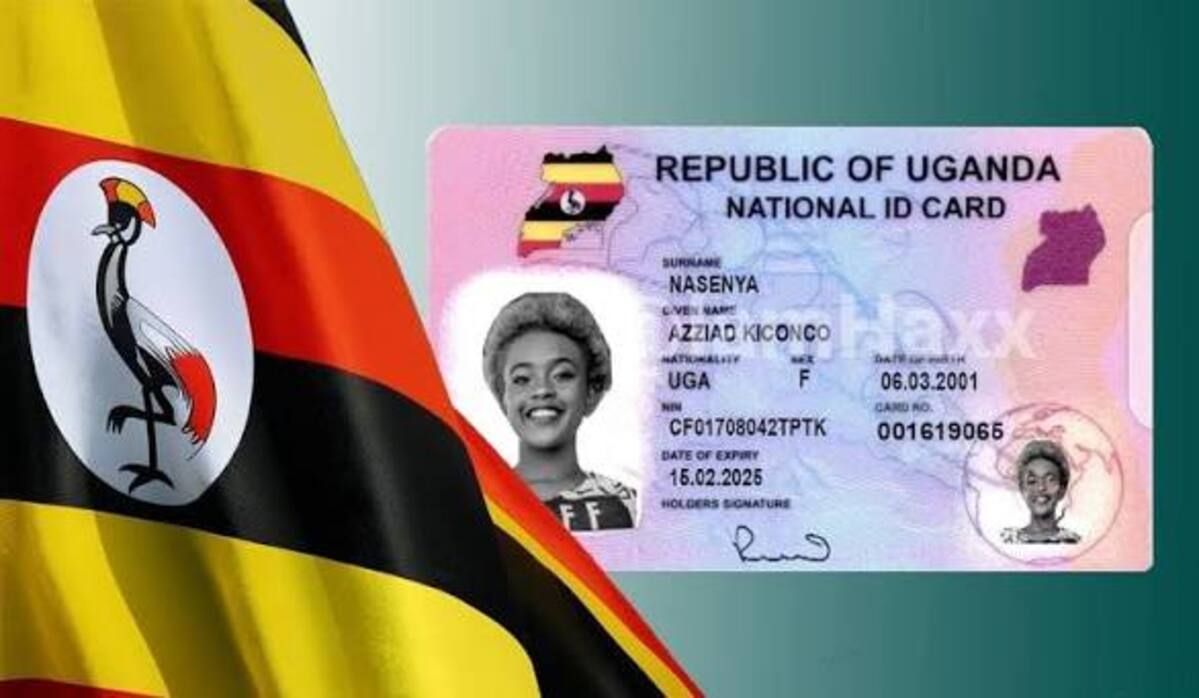
Uganda’s Cabinet has approved the use of the National Identification Number (NIN), issued by the National Identification and Registration Authority (NIRA), as the country’s Tax Identification Number (TIN) going forward, phasing out the separate TIN system administered by the Uganda Revenue Authority (URA).
The decision was reached at the ninth Cabinet meeting on 31 August 2026 at State House, Entebbe, and announced by the ICT and National Guidance Minister, Justine Kasule Lumumba.

Why Uganda is embarking on the change
Lumumba said Uganda’s tax registration system had relied for years on “a separate, largely manual TIN-based process” that left the country with outdated and inconsistent taxpayer records. Adopting the NIN as the tax identifier, she said, will create one consistent identity for every taxpayer, improve the accuracy of the taxpayer register, and help authorities identify and trace taxpayers more effectively.
She added that the reform is expected to improve compliance, reduce revenue leakage, simplify registration for citizens, and give the government visibility into worldwide income.
The move builds on groundwork already laid earlier in 2026: URA issued a public notice in May asking taxpayers to update their registration details and link existing records to a NIN or Business Registration Number (BRN), under amendments to the Tax Procedures Code Act.
Under the new structure, individuals will be identified by their NIN, while registered businesses use their BRN. The Cabinet statement did not specify a firm date for the formal transition or detail how existing TIN holders will be migrated.
Also read: Starlink relaunch in Uganda 4 months after securing operational license
Nigeria carried out a related but not identical reform in 2026. Under the Nigeria Tax Administration Act 2025, FIRS uses an individual’s NIN to generate and retrieve a separate Tax ID — the two remain distinct numbers, linked rather than merged. Uganda’s Cabinet decision goes a step further, adopting the NIN itself as the tax identifier.
Mixed reaction online
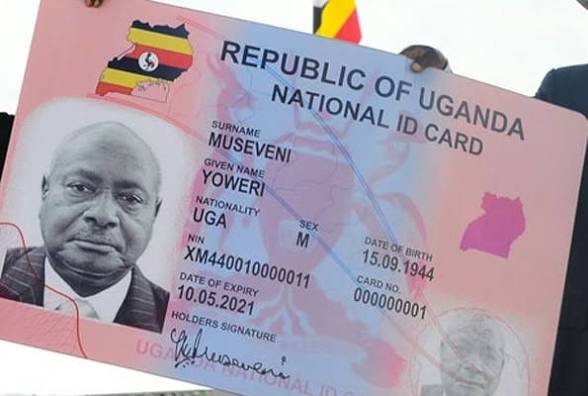
Uganda’s announcement drew a mixed response on X. Some users welcomed it as a step toward a more traceable, centralised system, while others raised concerns about data protection, given that NIRA has previously cautioned citizens against widely sharing their NIN.
Several questioned how the change would affect people who had registered SIM cards or mobile money lines using others’ identity documents, whether foreign nationals would be affected, and what happens when a national ID card expires.
Other commenters pressed the government on accountability for how tax revenue is spent, rather than on the mechanics of collection.
