



Nearly every smartphone in Nigeria has the WhatsApp app. The instant messaging app is installed on 95% of the devices sampled in the Nigeria Smartphone Study 2025, an Orange Group and KPMG report, giving it a reach no other consumer app in the country comes close to matching.
Its closest rival among messaging platforms is Facebook Messenger, at 32%, with Telegram at 27%. Meta’s broader footprint is just as stark: Facebook itself sits on 87% of smartphones surveyed, reinforcing the company’s hold over Nigeria’s digital channels.
The numbers point to something larger than chat. Messaging apps in Nigeria function less like a convenience and more like public infrastructure, the layer through which business gets done. WhatsApp in particular has become the storefront, the help desk and the trading floor for informal commerce and small businesses across the country’s cities.
The report attributes that dominance to practical advantages: the app is light on data, simple to set up, and runs without strain on inexpensive entry-level Android handsets. Those qualities have made it the default first app on a new phone and the one that businesses design around.
Retailers take orders through it, and financial institutions now offer chat-based banking on it. In effect, it has become the digital front desk of the Nigerian economy.
Also read: OPay is installed in 69% of smartphones in Nigeria, more than any other fintech app
The study’s authors are careful about what the 95% figure does and does not say. It reflects installation across the smartphones sampled, a portrait of urban phone usage rather than a count of national subscribers.

What the survey makes clear is the scale of the transition now underway. Among respondents, smartphone penetration reached 75% in 2025, up from 64% in 2023, as feature phones give way to devices that connect users to communication, commerce and digital services in one place.
The findings rest on responses gathered across 12 major cities, including Lagos, Ibadan, Abuja, Kano, Port Harcourt, Benin City and Kaduna.
Why WhatsApp leads every other app in overall app adoption
According to the study, WhatsApp’s 95% presence represents the highest market penetration among all consumer mobile apps, outstripping social media, video streaming, and digital banking platforms.
The report links this massive adoption to low data usage options, easy setup, and the app’s ability to run smoothly on affordable, entry-level Android devices.
It also notes that businesses and service providers are increasingly forced to meet consumers where they already spend their time. From retail stores taking orders to financial institutions offering chat banking, WhatsApp has effectively become the digital front desk for Nigeria’s economy.
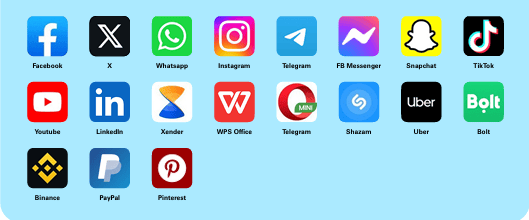
The study clarifies that a 95% presence means the app is installed on nearly all smartphones sampled, serving as a snapshot of urban phone usage rather than total national subscriber numbers.
With smartphone adoption expanding nationwide, messaging apps remain the primary gateway connecting millions of Nigerians to communication, commerce, and digital services.
See also: NGX now lets investors buy shares on WhatsApp — here’s how to get started
