


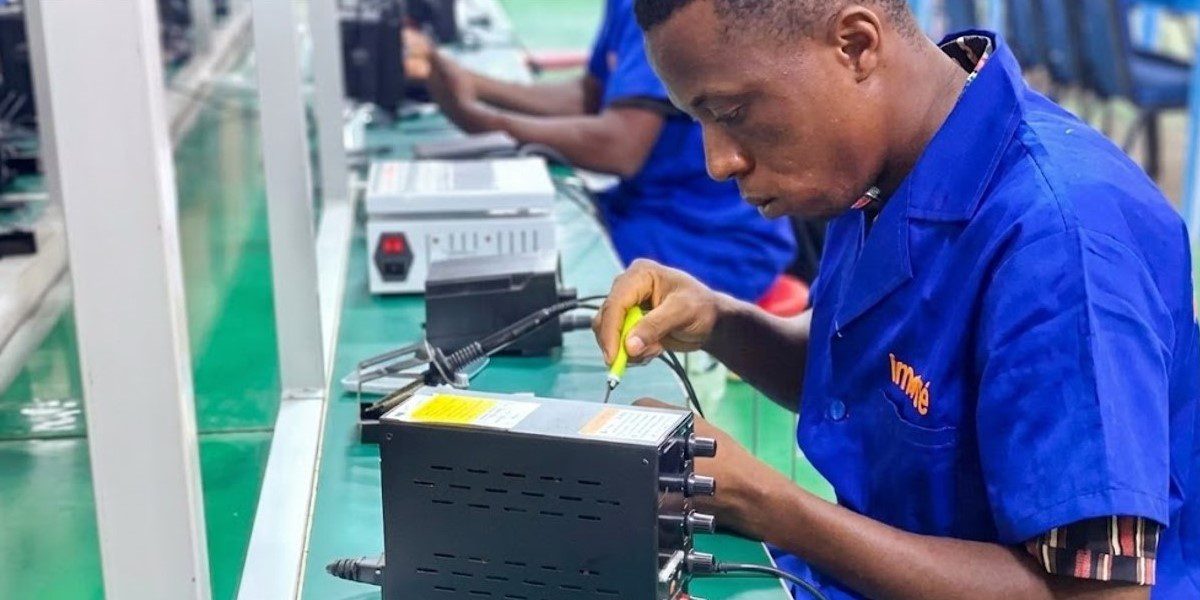
The Imo Digital City, a state-of-the-art infrastructure facility in Imo State, is at the forefront of efforts to expand Nigeria’s smartphone production capacity. It comes amid recent calls and moves to transform Nigeria from a consumer economy into a manufacturing hub by focusing on devices that power its digital economy.
This quiet industrial revolution is taking shape in the South East region of Nigeria. The $15 million innovation ecosystem, built on a strategic Public-Private Partnership, is making a significant transformation in smartphone assembling activity.
Beyond being a conventional training centre, the facility houses a digital device assembly plant reportedly operating around the clock with the capacity to produce 1,000 locally manufactured phones and routers daily.
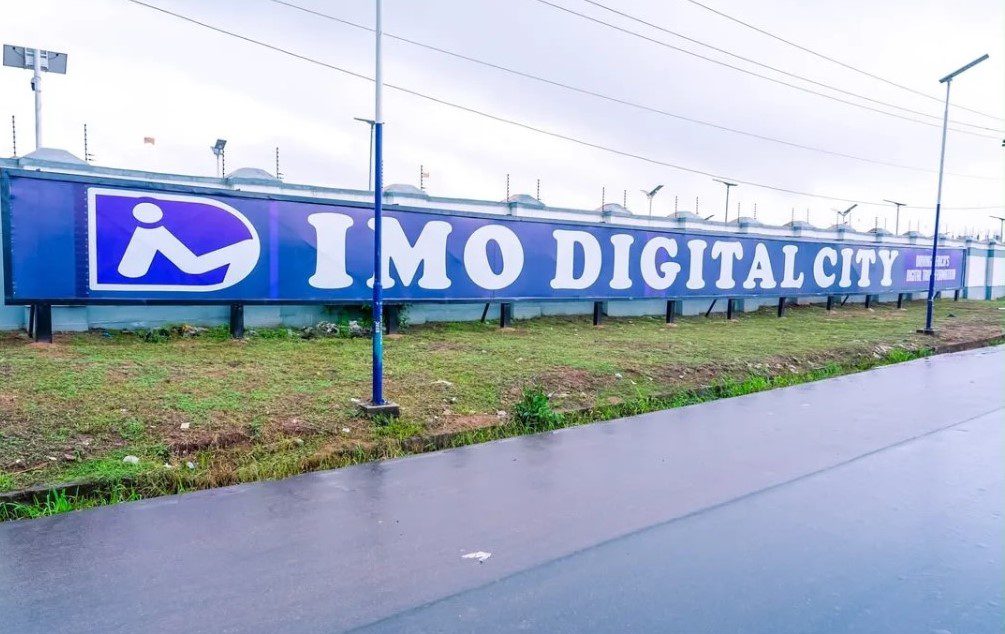
The Imo Digital City is showcasing its ability to enable large-scale local hardware production while embracing artificial intelligence, robotics, and cybersecurity. Aside from developing talent and providing immediate technical employment, the Imo Digital City is spotlighting South-East Nigeria on the digital frontier, aiming to shift the major focus away from Lagos State.
Imo Digital City’s growth is built on a structured Public-Private Partnership (PPP) framework involving the Imo State Government. The project secured $15 million in investments and hardware infrastructure, technical support, and curriculum development to build and scale the complex.
It gained strategic support from globally renowned institutions, including the University of California, Berkeley, United States Market Access and Cisco Systems. These partners provide vital funding, specialised curriculum development, and high-end hardware infrastructure.
Imo Digital City’s smartphone production
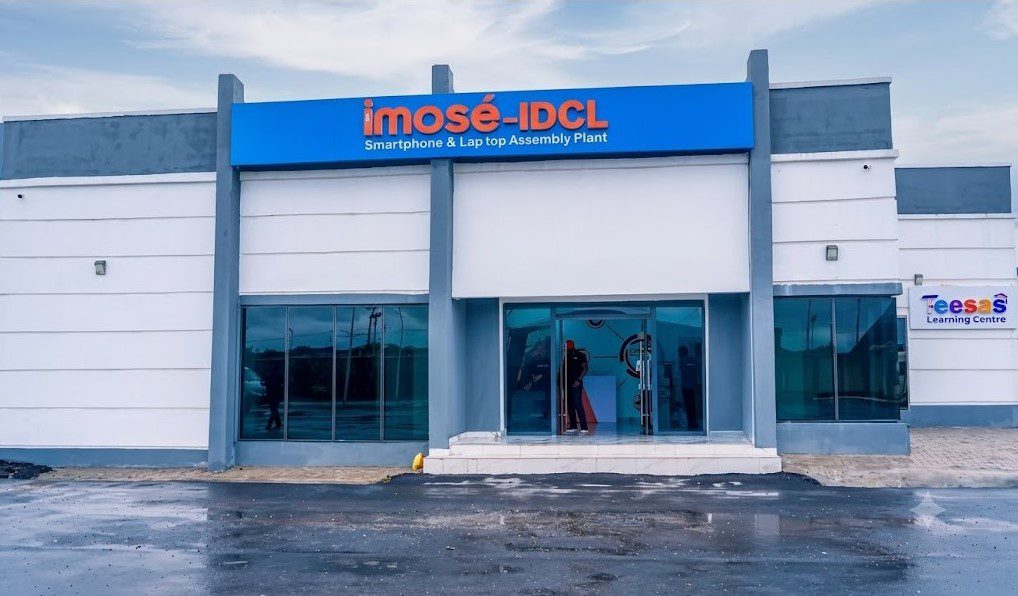
According to the Imo State Commissioner for Digital Economy and E-Government, Dr Chimezie Amadi, the Imo Digital City assembling facility is directly under the mentorship of indigenous phone brands such as Imose.

The facility uses trainees and technicians to assemble smartphones and feature phones. With the capacity to assemble 1,000 smartphones daily, the devices are assembled from components sourced from different parts of the world before being sold within Imo and in other parts of the country.
When guiding journalists and presidential aides through the facility last week, Amadi explained that the assembly plant was established to promote indigenous manufacturing while also giving young people practical skills and employment opportunities. He stressed that the facility is achieving dual goals: reducing dependence on imported finished products and building local talent.
“We are also promoting indigenous manufacturing of digital technology equipment,” he said.
The project comes at a time when internet penetration is being deepened by increased smartphone adoption. About 154 million Nigerians are currently internet users as of April 2024, showing the bulk of device ownership. However, local device production has been tipped as an initiative to increase affordability rate, especially for low- and middle-income earners.
The facility’s ambition corroborates the Nigerian Communications Commission’s (NCC) efforts to promote domestic production of smartphones, MiFi and router devices through tax holidays, partnerships and other incentives.
Imo Digital City’s assembling plant now adds to Nigeria’s growing number of smartphone assembly facilities. Located in Ilupeju, Lagos, AfriOne is Nigeria’s first localised smartphone assembly plant, putting together consumer devices like tablets and smartphones whose parts are sourced across the world.
Another is the ITF Mobile Factory, an assembling facility established by the federal government through the Industrial Training Fund in Abuja. The facility is equipped to produce Android 4G smartphones in large quantities.
Also Read: Global smartphone shipments to drop by 152 million units in 2026 as chip prices surge.
Drones for tower monitoring
Beyond the assembly line, the Imo Digital City houses laboratories for robotics and drone technology where trainees are taught how to build robots, write software codes, and operate drones. This is made possible through partnerships with companies dealing with these tools.
One of the partners, TEMSCONSU, said firms operating within the Digital City are already deploying drones, robotics and artificial intelligence to address challenges in security, telecoms, logistics and infrastructure management.
The CEO and Founder, Valentine Waturuocha, said the company is already developing drone technology capable of supporting security operations by detecting concealed weapons from the air.

Waturuocha explained that discussions are ongoing with IHS Towers on the use of drones to inspect telecom towers instead of relying solely on engineers to climb the structures. This, according to him, increases uptime and avoids the lengthy time to resolve outages in base stations.
“One of the reasons mobile networks experience disruptions is the challenge of monitoring towers. Instead of sending people to climb the towers, drones can inspect them and report faults in real time,” he said.
Need for domestic smartphone production
With recognition of how smartphone assembling facilities are building talent and cutting prices of smartphones through local production, there’s a need for homegrown manufacturing factories.
For assembling facilities, importing devices comes with additional costs such as excise duties and inflation, which are transferred to the cost price. However, a local manufacturing firm closes this gap by reducing smartphone prices compared with imported products.
The NCC is on this ambition. Chairman of the Commission, Chief Idris Ibikunle Olorunnimbe, noted that the initiative to create tax holidays and incentives for manufacturers is beyond mere market regulation. He said the goal is to actively co-author an industrial renaissance with willing investors.

In the first quarter of 2026, smartphone shipments increased by 8% year-on-year, reflecting that Nigerians continue to demand smartphones at the current entry level (₦70,000 to ₦150,000) and mid-range (₦150,000 to ₦450,000) despite pressures on affordability.
However, the presence of domestic manufacturers would see prices fall to extend affordability and boost digital inclusion across various demographics.
Also Read: Despite improvement, only 49% of women still own a smartphone in Nigeria. Here’s why.
