




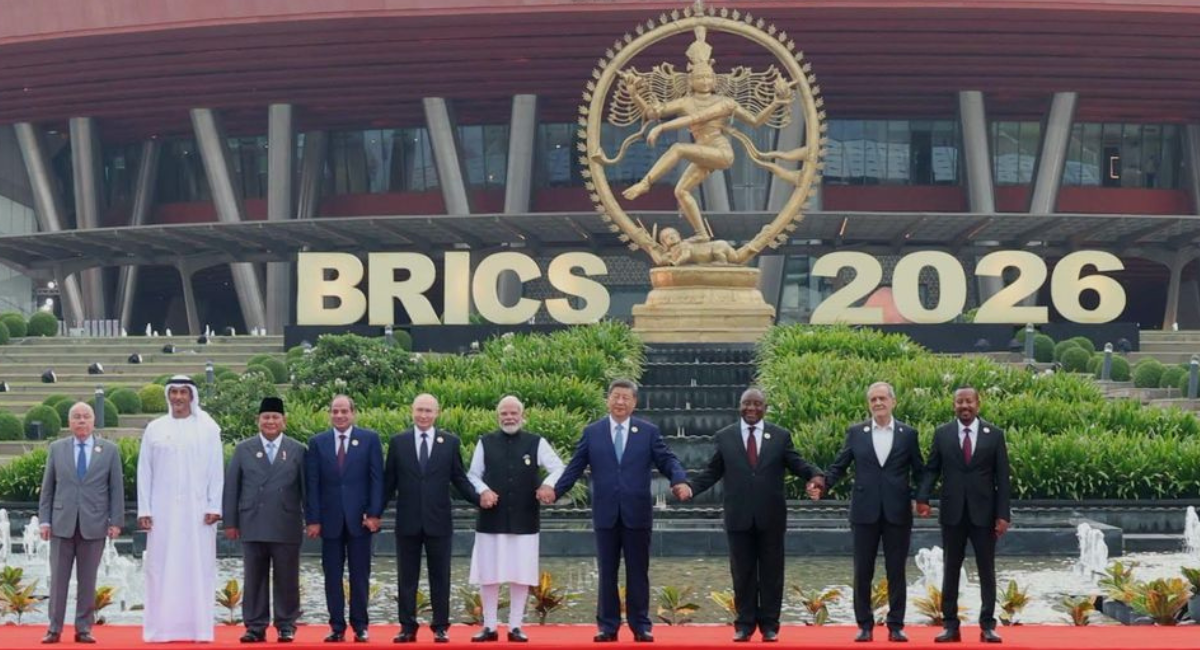
The global financial and technological architecture has been built on Western terms for decades. But the newly expanded BRICS bloc is aggressively pushing to dismantle that monopoly. When leaders of the expanded BRICS bloc gathered in India for the 18th Summit over the weekend, the resulting New Delhi Declaration did not merely offer diplomatic platitudes. It delivered a decisive blueprint for digital sovereignty, financial independence, and a radical shift in how the Global South interacts with artificial intelligence and cross-border payments.
The Bretton Woods institutions have long dictated the pace of global financial inclusion, but BRICS is signalling a definitive pivot. The 140-paragraph declaration made an aggressive push for the reform of the International Monetary Fund and the World Bank, demanding increased quota shares and voting power for Emerging Markets and Developing Economies. Rather than just asking for a larger seat at a legacy table, the bloc is actively building its own infrastructure.
The BRICS Payment Task Force has been mandated to accelerate work on cross-border messaging, payment channel interoperability, and, crucially, trade settlements in BRICS local currencies. This move directly challenges the dominance of the US dollar in international trade and provides emerging markets with a template to insulate their economies from unilateral economic sanctions, which the declaration strongly condemned.
This financial independence comes with a stark acknowledgement of the dark underbelly of a digitised economy. The declaration took a hard stance on digital crime, explicitly targeting the proliferation of cross-border fraud and the infamous scam compounds operating across emerging markets. The leaders did not mince words regarding the misuse of technology in modern finance.
“We express our concerns about illicit financial flows, including financing of terrorism, trafficking of firearms, trafficking in persons, the laundering of drug-related crime proceeds, use of ICTs for criminal purposes, illegal virtual asset flows, corruption and circumvention of domestic regulatory frameworks,” the joint statement read.
The explicit mention of illegal virtual asset flows signals a maturing regulatory view of cryptocurrency within the BRICS framework. For an African and global audience familiar with the explosive growth of crypto adoption alongside severe regulatory clampdowns, this unified stance is highly consequential. It suggests that while member states are eager to bypass traditional fiat bottlenecks, they are equally committed to locking down the untraceable movement of digital assets that undermine national monetary policies.
To counter these threats, the bloc announced the establishment of a BRICS Central Bank Hub designed to build capacity and conduct annual cybersecurity exercises. The mandate is clear: protect the financial sector and build resilient safeguards across borders.
“We encourage enhanced cooperation in strengthening digital financial security, including prevention of fraud in cross-border payment systems,” the document stated, pointing toward a future where emerging economies share financial intelligence directly rather than relying on Western intermediaries.
BRICS’ ambitious, defensive plans for technology
Beyond finance, the New Delhi Declaration laid out an ambitious, defensive posture on technology. For years, developing nations have been treated as mere consumers of Western hardware and software. BRICS is now advocating for absolute digital sovereignty. The adoption of robust Digital Public Infrastructure is seen as the key to scaling social and economic opportunities, but the hardware and ecosystems that power them must be secure and self-reliant.
“We recognise that digital and ICT ecosystems are a critical foundation for economic development, social inclusion, improved service delivery, sustainable growth, resilience and innovation and emphasise deepening BRICS cooperation towards a sovereign and self-reliant digital ecosystem,” the declaration noted.
This push for sovereignty extends into the supply chains that manufacture critical tech components. As geopolitical tensions disrupt global access to semiconductors and telecommunications equipment, the BRICS nations are demanding an equitable playing field. “We call for a comprehensive, balanced, and objective approach to the development and security of ICT products and systems as well as for the development and implementation of globally interoperable common rules and standards for supply chain security,” the leaders stated.
No technology policy in 2026 is complete without addressing artificial intelligence, and BRICS has positioned itself as the defender of the Global South in the AI arms race. The bloc committed to implementing a shared statement on the Global Governance of Artificial Intelligence. The prevailing concern is that Western AI models, trained on Western data, will impose cultural and economic biases on developing nations. The declaration highlighted the danger that AI training models might misappropriate or misrepresent cultural knowledge and heritage from communities that are inadequately represented in global datasets.
The leaders advocated for wider access to AI resources and computing capacity to ensure the technology secures a just, fair, equitable and prosperous future for all countries. They backed cooperation on Industry 4.0, smart factories, and the adoption of AI by small and medium enterprises. The establishment of the new BRICS CONNECT platform to map digital skills reflects a coordinated effort to prepare a future-ready workforce capable of building proprietary AI models rather than simply licensing them from abroad.
The 2026 New Delhi Declaration is a clear indicator that the era of passive technological and financial consumption by the Global South is ending. By pushing for local currency settlements, building sovereign digital ecosystems, and demanding equitable AI governance, the expanded BRICS bloc is drawing a hard line, indicating that the technology and finance rules of the next decade are being actively renegotiated on favourable terms.
