




In today’s digital world, products like social media apps, games, or even shopping platforms, succeed when people keep coming back. Designers often measure success through things like how long someone spends in an app, how often they open it, or how many times they interact with it each day. Features such as notifications, endless scrolling, and personalized feeds are designed to grab attention and keep users engaged.
But here’s the tricky part: the very features that make products engaging can sometimes have the opposite effect on users’ wellbeing. Endless scrolling can lead to hours of lost time, constant notifications can create stress, and highly personalized feeds can make it hard for users to focus or disconnect. What feels like a win for engagement in the short term can quietly take a toll in the long term.
This is where ethical design comes in. It’s about recognizing this tension and designing in a way that balances both sides, keeping users engaged while also protecting their mental health, focus, and overall happiness. This doesn’t have to do with making products boring; it’s about making them sustainable and responsible, so users feel good about coming back, rather than feeling drained.
What Is Digital Wellbeing?
Digital wellbeing means helping people have a healthy relationship with technology. It doesn’t mean limiting access or making products boring, it’s more about designing in a way that respects users as real people with limits, emotions, and lives outside the screen.
Designing for wellbeing doesn’t mean removing engagement or making the experience dull. Instead, it’s about balancing usefulness and enjoyment with care and empathy. When products are designed this way, users not only come back, they feel good about returning, knowing their time, focus, and mental health are being respected.
Strategies for Balancing Engagement and Digital Wellbeing
Creating engaging products doesn’t have to come at the expense of users’ wellbeing. Here are some practical ways designers can strike a healthy balance:
1. Design for Purposeful Use
Instead of maximizing every minute a user spends in the product, focus on helping them achieve their goals efficiently. Engagement should come naturally from value.
Example: Duolingo structures lessons in short, achievable sessions. Users return because they enjoy learning, not because they’re trapped in an endless loop. The product prioritizes progress and satisfaction over raw screen time.
2. Give Users Control
Allowing users to make meaningful choices about how they interact with a product fosters trust and autonomy. Customizable notifications, adjustable settings, and opt- in features empower users rather than controlling them.
Example: Instagram lets users set daily time limits and mute notifications. Users can actively manage their usage instead of being constantly pulled back by the app’s default settings.
3. Introduce Thoughtful Friction
Not all friction is bad. Small pauses, reminders, or confirmations can encourage reflection and prevent impulsive actions. This helps users engage intentionally rather than compulsively.
Example: Calm and other meditation apps include gentle prompts to encourage breaks or mindful breathing. These moments of friction enhance wellbeing while keeping users engaged meaningfully.
4. Incorporate Positive Nudges
Positive nudges, gentle reminders that promote healthy habits, can improve mental wellness without alienating users. These nudges gently guide users toward beneficial behaviors rather than forcing them.
Example: A fitness app might suggest taking a 10-minute walk after an hour of inactivity. Similarly, social media platforms popular in Africa could nudge users to log off after extended use, encouraging breaks and preventing fatigue.
5. Be Transparent About Engagement Mechanics
When a product uses algorithms, data- driven recommendations, or persuasive mechanics, transparency helps users make informed decisions. Being clear builds trust and reduces the feeling of manipulation.
Example: YouTube shows users why a video is recommended and allows them to control or personalize recommendations. This gives users insight and choice in how the platform engages them.
6. Measure the Right Metrics
Instead of focusing only on time spent or clicks, consider metrics that reflect meaningful engagement and wellbeing. User satisfaction, progress toward goals, and long- term retention are better indicators of healthy engagement.
Example: Headspace tracks daily meditation streaks and progress, not just total time spent in the app. Users feel a sense of accomplishment rather than being caught in an addictive loop.
By implementing these strategies, designers can create products that are engaging and respectful of users’ time, attention, and mental wellbeing.
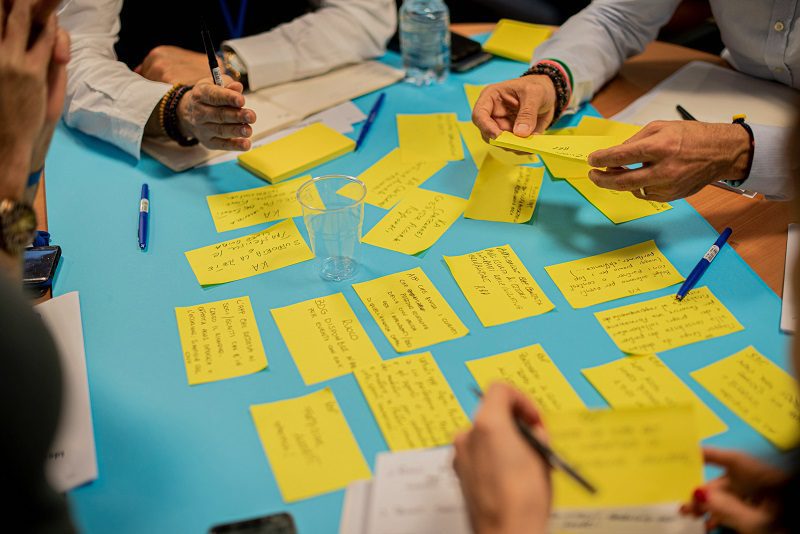
The Designer’s Ethical Responsibility
Designers are often told they’re “just executing requirements,” but this framing significantly underestimates the influence design decisions have on people’s lives. Every layout choice, default setting, and interaction flow shapes how users behave, what they notice, and how they feel while using a product. Even small details, the wording of a button, the timing of a prompt, or how easy it is to exit a flow, can guide decisions in powerful ways. For this reason, even the smallest design choices carry influence.
Whether intentional or not, the way options are presented can encourage certain behaviors while discouraging others. Defaults can silently steer users toward outcomes they may not fully understand. Poorly designed flows can create pressure, confusion, or anxiety, especially in products dealing with sensitive areas like health, finance, or social connection.
Ethical design begins with asking better questions early and often:
● Does this feature genuinely help the user?
● Could this interaction create unnecessary stress?
● Are users clearly informed about what’s happening, or are important details hidden behind complexity?
● Do users have real, meaningful choices, or are they being nudged toward a single outcome?
These questions don’t slow teams down; they help teams build better products.
Being ethical doesn’t mean opposing business goals or rejecting growth. In fact, ethical design often leads to more sustainable outcomes. Products that respect users tend to build trust, loyalty, and long- term engagement. When users feel informed and in control, they are more likely to return, not out of habit or pressure, but because the product continues to deliver real value.
The designer’s role, then, is not just to make products usable or visually appealing, but to advocate for experiences that work with users, not against them. Ethical design lives in that balance, where business success and user wellbeing reinforce each other rather than compete.
Why Digital Wellbeing Makes Business Sense
Designing with digital wellbeing in mind isn’t just good for users, it also makes sense from a business perspective. Products that respect people’s time and mental health tend to build healthier, more sustainable relationships with their users.
-Greater Trust and Loyalty: When users feel that a product genuinely cares about their wellbeing, they’re more likely to stick with it and recommend it to others.
-Lower User Drop-Off: Experiences that feel supportive rather than overwhelming reduce fatigue and frustration, making users less likely to disengage or abandon the product altogether.
-Better Prepared for Regulation: As conversations around digital wellbeing grow and new guidelines emerge across various markets, products that adopt responsible design practices early are better positioned to adapt without disruption.
Conclusion
Designers need to move beyond seeing themselves solely as builders of digital products and begin to embrace their role as guardians of user wellbeing. Every design decision, from metrics chosen to features prioritized, shapes how people interact with technology in their daily lives. By designing with intention, and advocating for balance within their teams and organizations, designers have a powerful opportunity to influence not just product success, but the long- term health of the digital ecosystem they are helping to create.
About The Author

Jecinta Fabiyi is an award- winning product designer with over five years of experience delivering user- centered, scalable digital products across HealthTech, RegTech, Mobility and B2B SaaS. She is recognised for using design as a strategic growth tool, translating complex challenges into intuitive solutions that drive adoption, revenue, and operational efficiency.
Beyond her day- to- day design work, Jecinta is deeply committed to supporting the growth of the design community. She is the founder of Design Hub Network, a growing platform focused on helping emerging designers gain access to education, mentorship, and real opportunities to develop their skills. Through sharing lessons from her professional journey, she helps others navigate the design industry with greater clarity and confidence.
