





Nigeria’s cloud conversation is too often framed as a contest. In one corner are the global cloud giants: Amazon Web Services (AWS), Microsoft Azure and Google Cloud. In the other are local data centres and cloud operators. Enterprises are asked to pick a side.
For regulated and large enterprises, that is the wrong question. The right question is which system belongs where. For most of them, the answer is hybrid cloud, which means using local and global providers together: keep data and the applications closest to it in local data centres, and use the global giants for the services they do best.
It is the best of both worlds.
Read also: Best phones of 2026: Which device should you buy?
Regulation Is Settling The Debate
For regulated enterprises, much of the decision is already made.
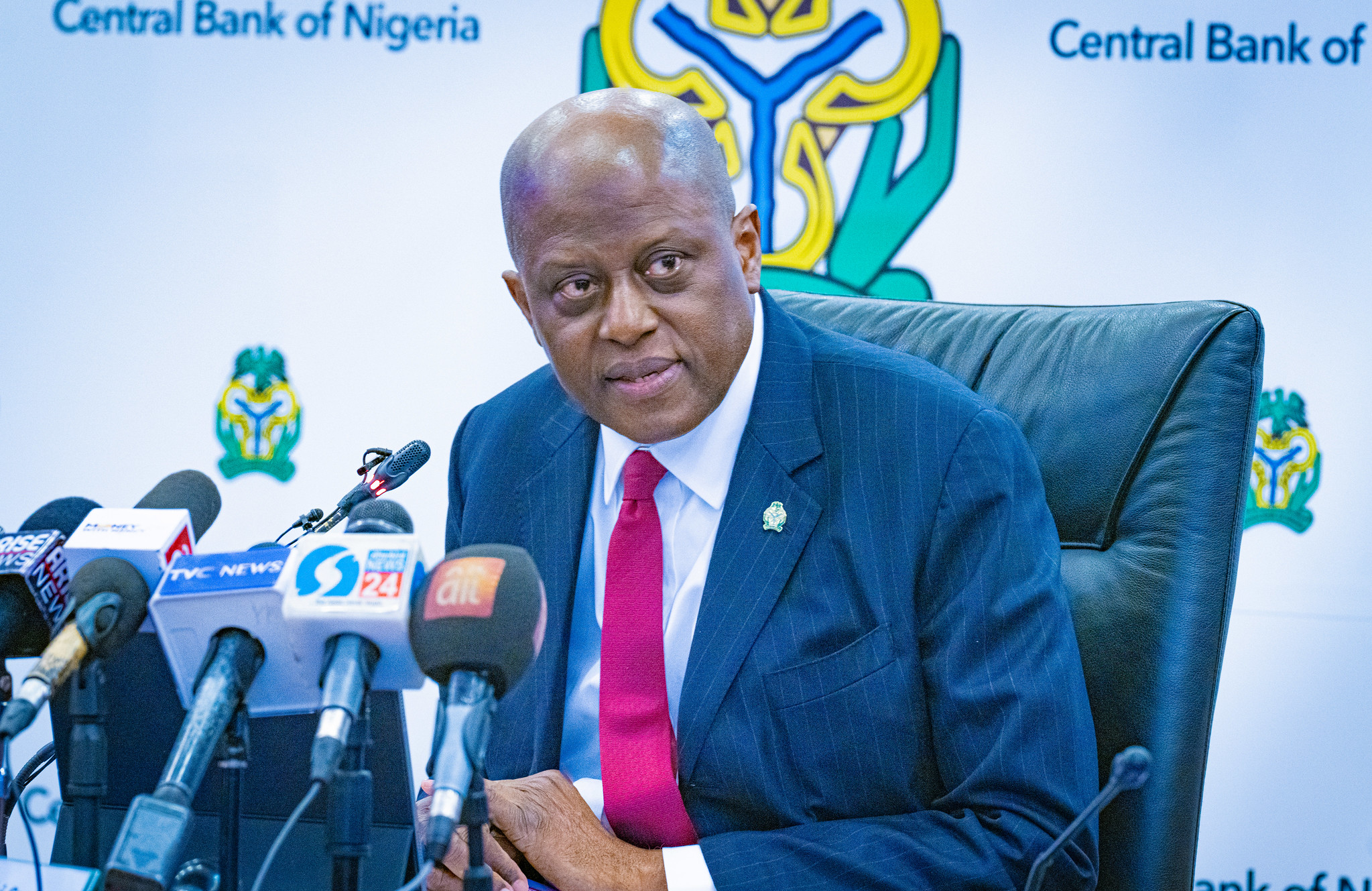
The Central Bank of Nigeria (CBN) has directed in a circular that all payment transaction data generated in Nigeria be stored and managed locally by 1 January 2027. The directive covers banks, fintechs and payment processors, and BusinessDay reports that industry estimates put the share of regulated businesses hosting data on foreign cloud platforms at more than 90%.
This builds on 2019 guidelines from the National Information Technology Development Agency (NITDA), which require sovereign data (government-owned or controlled data) to be hosted in Nigeria.
Leaving the global giants entirely would mean giving up their advanced services. Keeping payment data fully on them will not be compliant after the deadline. Hybrid is the practical way through.
Place Each System By What It Does
Hybrid works when placement follows the system, not the vendor: data lives locally, and so do the systems that touch it most.
Core banking, payments and customer records are regulated, sensitive and busy, so they belong in a local data centre or local cloud. Databases and data warehouses, which are constantly read and updated, belong next to the data. Backups, archives and disaster recovery involve large volumes kept for a long time, so they belong locally too, with a second local site.
More sophisticated or specialised applications can run on the global giants and reach the data through secure connections. Artificial intelligence and advanced analytics need powerful processors and managed AI services, so they suit the global giants, using anonymised or summarised data.
Customer-facing websites and mobile apps, where traffic rises and falls, can sit with either, depending on the audience. Short-lived development and testing projects also suit them. The database stays near the data; the sophisticated application layer goes where the tools are best.
Local Data, Local Currency, Lower Cost
The economic case is as strong as the regulatory one. Many cloud charges, including those for storing and moving data, are priced in dollars. TechCabal reported that naira depreciation has more than doubled dollar-priced cloud costs since 2023. AWS now accepts naira payments, but local providers note that its prices are still pegged to the dollar.
Moving data to a local data centre moves that part of the bill into naira, making it predictable and shielded from exchange-rate shocks. Nationally, BusinessDay reports that Nigeria spends more than US$1.1 billion a year on public cloud, and analysts believe localising payment data could keep up to US$850 million of that in the country.
Good design also keeps transfer charges down. Cloud providers charge for data leaving their platforms, at about US$0.09 per gigabyte on AWS, US$0.087 on Azure and up to US$0.12 on Google Cloud. When databases sit beside the data locally, bulk data rarely crosses the boundary. Only queries, results and summaries travel to cloud-hosted applications, so little data moves in or out.

What Nigeria Gains
Hybrid clouds also strengthen the whole ecosystem in three ways.
First, it improves maturity. Local cloud platforms mature through patronage. When banks and large enterprises run demanding workloads locally, operators are pushed to raise their standards in automation, security, service management and resilience.
Second, it keeps more revenue at home. Every naira spent on local hosting stays in the economy. It funds more capacity, better power solutions and wider connectivity, which in turn lowers costs for the next customer.
Third, and most important, it builds a local skillset. Hybrid environments need engineers who can design, connect, secure and operate across both local and global platforms. Those are the senior, high-value skills Nigeria needs to build and keep.
End The Debate, Start The Design
Nigerian enterprises do not have to choose between local operators and global cloud giants. They need an architecture that uses both deliberately. Keep data and data-heavy systems at home, priced in naira and compliant by design. Use the global giants for the sophisticated services that give a competitive edge. Minimise the traffic between them. The enterprises that adopt this approach early will meet the 2027 deadline with less disruption, cut their exposure to currency swings, and help build the cloud economy Nigeria needs.
ABOUT THE AUTHOR

Remi Adejumo is a cloud infrastructure and enterprise solutions architect with over two decades of experience across international technology environments. With over 20 years’ experience in cloud computing, data centres, virtualisation and enterprise IT transformation across the UK, US and Africa.
He writes on cloud computing, digital infrastructure and technology development in Africa.
Disclosure: Any relevant commercial relationships or affiliations with organisations referenced in this article are disclosed where applicable. The views and analysis expressed are the author’s own.
