


The International Data Corporation (IDC) Worldwide Quarterly Personal Computing Device Tracker has reported a 29% decline in global shipments of personal computers (PCs) in the first quarter of 2023 due to weak demand, excess inventory and a deteriorating macroeconomic climate, with Apple Inc taking the largest hit.
In the report published on Sunday, the International Data Corporation (IDC) said global PC shipments numbered 56.9 million in the first quarter of this year, down from 80.2 million in the same period last year.
The initial findings also marked the end of the COVID-driven demand era and, at the very least, a brief return to pre-COVID tendencies. Compared to the 59.2 million units shipped in the first quarter of 2019 and 60.6 million in the same period of 2018, shipment volume in Q1 2023 was substantially lower.
“Though channel inventory has depleted in the last few months, it’s still well above the healthy four to six weeks range,” said Jitesh Ubrani, research manager for IDC’s Mobility and Consumer Device Trackers.
The shipments saw a similar year-on-year decline of 28.1% in the last quarter of 2022.
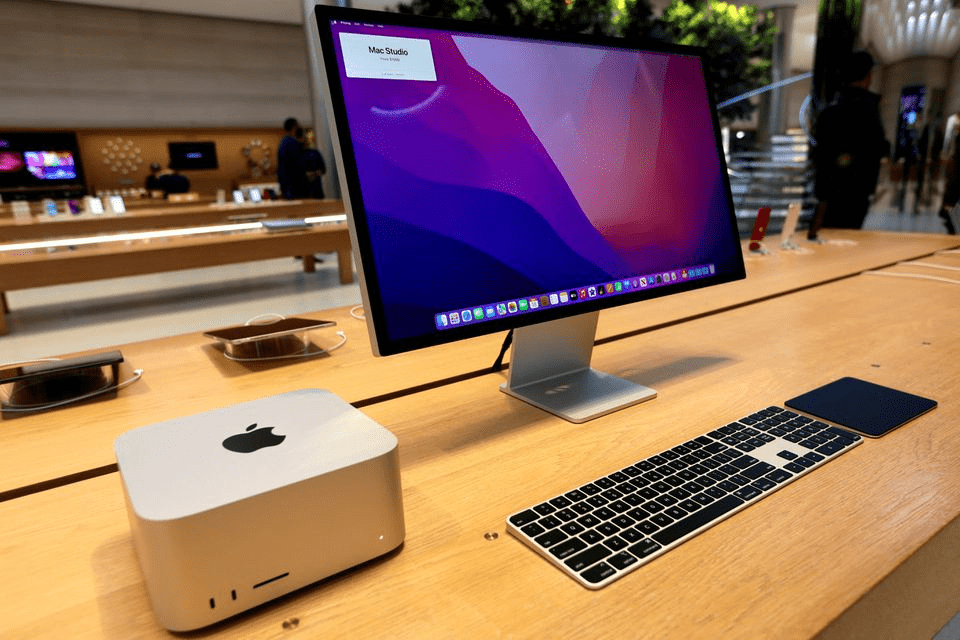
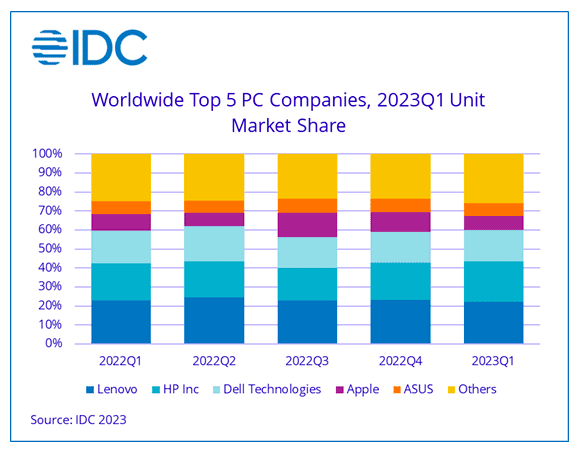
Apple experienced the greatest reduction in Q1 shipments among the top five PC manufacturers examined in the survey, with a drop of 40.5% from the same quarter in 2022. Dell Technologies Inc. came in second with a drop of 31%.
The IDC said that Lenovo Group Ltd, Asustek Computer Inc and HP Inc. also faced shipment declines.
In February, Apple reported that sales of its Mac computers, which had boomed during the wave of working from home during the pandemic, declined 29% YoY to $7.7 billion in their most recent quarter.

Read also: Samsung retains top spot for 2022 as global smartphone shipments suffer largest-ever decline in Q4
PC shipment forecast for 2023
Even in the midst of significant discounting from manufacturers to clear their inventories, the global PC shipment is predicted to remain low until at least the middle of the year due to a deteriorating macroeconomic environment that has seen major and numerous layoffs, low productivity tendencies, and unsafe climates globally.
“Even with heavy discounting, channels and PC makers can expect elevated inventory to persist into the middle of the year and potentially into the third quarter.”
Jitesh Ubrani
There are still worries about slowdowns in major economies, and recent turmoil in the banking industry has only heightened concerns about how tight monetary policy and rogue inflation would affect economic growth and investment.
If the economy is trending upward by 2024, “we expect significant market upside as consumers look to refresh, schools seek to replace worn-down Chromebooks, and businesses move to Windows 11,” said Linn Huang, research vice president, of Devices and Displays at IDC.
“If recession in key markets drags on into next year, recovery could be a slog.”
Linn Huang
The IDC explains that the “pause in growth and demand is also giving the supply chain some room to make changes as many factories begin to explore production options outside China.”
Meanwhile, PC makers are also rejigging their plans for the remainder of the year and have begun to pull in orders for Chromebooks due to an expected increase in licensing costs later this year.
That said, PC shipments will likely suffer in the near term with a return to growth towards the end of the year with an expected improvement in the global economy and as the installed base begins to think about upgrading to Windows 11.
“By 2024, an ageing installed base will start coming up for refresh,” said Linn Huang,
Read also: Why Africa’s PC market experienced a historical decline of 37.2% in 2022
