



Automation is no longer a distant vision – it’s a driving force behind some of the most dramatic shifts in how industries operate, compete, and grow. According to Thunderbit, in 2024, over 60% of companies worldwide had already implemented some form of automation, and this number is only rising.
The impact is measurable: more than 90% of workers say automation has boosted their productivity, while organizations investing in these technologies have seen an average 22% reduction in operating costs. In manufacturing, platforms dedicated to automation have accelerated deployment by three times and cut non-recurring engineering costs by 40%.
Meanwhile, the global manufacturing automation market is projected to surge from $13.1 billion in 2024 to $21.5 billion by 2030, reflecting an annual growth rate of 8.6% (source: ResearchAndMarkets).
The oil and gas sector is also undergoing rapid change. Automation technologies in this field reached a market value of $17.78 billion in 2022, with forecasts predicting growth to $32.08 billion by 2030 at a steady 7.6% CAGR. These investments are not just about efficiency – they are enabling safer operations, supporting aging workforces, and helping companies meet ambitious sustainability targets.

In the IT sector, the momentum is equally striking. Around 73% of IT leaders report that automation has halved the time spent on manual tasks, and 90% of automation professionals are now integrating AI into their workflows to further increase productivity. By 2030, automation is expected to displace 92 million jobs globally but create 170 million new roles, resulting in a net gain of 78 million jobs.
These statistics underscore a simple truth: automation is reshaping the very fabric of industry. But the factors that determine its success – the “X factors” – are as varied as the sectors themselves. Understanding what truly drives automation forward in manufacturing, oil and gas, and IT is key to unlocking its full potential.
Manufacturing Industry
Automation is now a necessary force for transformation in manufacturing, transforming the manner in which products are imagined, produced, and distributed. Its significance lies in the fact that it can mechanize repetitive and dangerous tasks so that machines and robots may undertake such operations as assembly, inspection, and material movement with little human intervention. Such transformation not only raises productivity and the level of production but also reduces the labor cost and injuries related to work.
Automation allows manufacturers to sustain higher standards of quality and adapt rapidly to shifting market requirements, providing them with a competitive advantage globally. Factories are now able to work continuously, launch new products more quickly, and recover from extended periods of labour shortages faster, basically transforming the business economics and safety of the sector.
Integration with Existing Systems
Manufacturing plants are often a patchwork of old and new equipment. The ability to connect new automation platforms with decades-old machinery is essential. Solutions that can bridge these gaps without extensive downtime or retooling stand out as game-changers.
Precision and Consistency
Automated systems in manufacturing are expected to deliver identical results, shift after shift. Whether it’s robotic welders or automated inspection cameras, the margin for error is minimal. High-precision automation reduces waste, boosts product quality, and maintains customer trust.
Adaptability
Markets shift, product designs evolve, and demand fluctuates. Automation systems need to switch between tasks or scale production up and down quickly. Modular robotic cells and programmable logic controllers (PLCs) that can be reconfigured on the fly are highly prized.
Human-Machine Collaboration
Rather than replacing workers, modern automation often augments them. Collaborative robots (cobots) work side by side with people, handling repetitive or dangerous tasks while humans focus on quality control and problem-solving. Training employees to work effectively with these systems is now a critical success factor.
Predictive Maintenance
Unexpected breakdowns can halt production lines and eat into profits. Automation platforms that use sensors and analytics to predict failures before they happen keep factories running smoothly and extend the life of expensive equipment.
Oil and Gas Industry
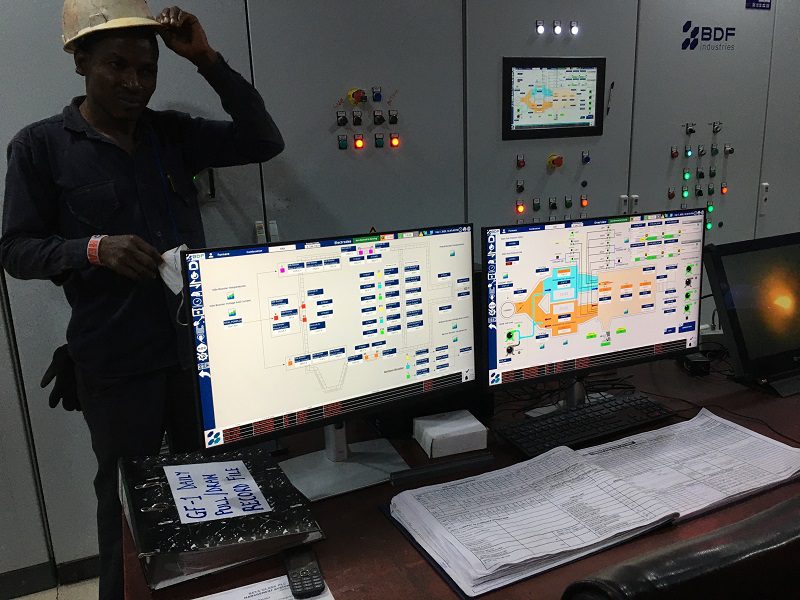
In the oil and gas sector, automation is essential for optimizing operations, enhancing safety, and achieving regulatory compliance. The industry faces unique challenges, from remote and hazardous environments to the need for real-time data-driven decisions. Automation addresses these issues by standardizing processes, validating data, and enabling instant monitoring and control across exploration, production, and distribution activities. Solutions such as pipeline automation, advanced sensors, and control systems reduce human error—historically responsible for up to 80% of failures in standard tasks—while improving reliability and reducing operational costs.
The adoption of automation not only increases productivity and efficiency but also positions oil and gas companies to adapt to market fluctuations, labor shortages, and sustainability requirements, making it a cornerstone of the sector’s modernization efforts.
Safety as a Priority
In oil and gas, the stakes are high. Automation technologies are deployed to minimize risk, reduce human exposure to hazardous environments, and respond instantly to emergencies. Automated drilling rigs, remote monitoring, and advanced safety systems are now standard.
Pipeline Automation
Pipelines stretch across continents, often in remote or inhospitable areas. Automation here means more than just efficiency—it’s about real-time monitoring, rapid leak detection, and autonomous flow control. These systems help prevent environmental disasters and keep operations within regulatory guidelines.
Remote Operations
Many oil and gas assets are far from population centers. Automation enables remote control and monitoring, reducing the need for on-site staff. This approach not only cuts costs but also enhances safety and operational reliability.
Real-Time Data and Analytics
Sensors, control systems, and analytics platforms gather and process enormous volumes of data. The ability to make real-time decisions based on this information—whether optimizing production or predicting equipment issues—is a key differentiator.
Regulatory Compliance
Automation systems in oil and gas must support rigorous documentation and reporting to meet legal requirements. Automated record-keeping ensures that operations stay within the law and simplifies audits.
IT Industry
Automation fuels innovation and efficiency in today’s world of IT, essentially revolutionizing the way organizations manage infrastructure, applications, and data security. By automating labor- and time-intensive processes, IT organizations can invest more time in business-critical projects and accelerate digital transformation. The payoff is even greater precision, faster response times, improved security, and reduced operating costs.
By automating software deployment and patch management through data protection and compliance and disaster recovery, among others, automation software manages scalable growth and fault-tolerant operations. As more advanced and complex IT environments are created, automation becomes essential for connecting disparate systems, providing always-on service, and making organizations more agile and adaptable to evolving business and regulatory demands.
Scalability and Agility
IT environments must handle unpredictable workloads, especially in cloud computing. Automation enables rapid scaling, allowing organizations to add or remove resources as needed without manual intervention.

Security Automation
Cyber threats evolve constantly. Automated tools for patch management, threat detection, and incident response help organizations stay ahead of attackers and maintain compliance with industry standards.
Continuous Integration and Deployment
Software development has been transformed by automation. Continuous integration and deployment pipelines allow teams to test and release new code quickly and reliably, accelerating innovation and reducing errors.
Self-Healing Infrastructure
Modern IT systems can now identify issues and fix them automatically. Whether it’s restarting a failed service or reallocating resources, self-healing capabilities reduce downtime and free up IT staff for more strategic work.
Resource Optimization
Automation analyzes usage patterns and reallocates computing power, storage, and bandwidth to where they’re needed most. This efficiency drives down costs and improves performance across the board.
The Road Ahead
The X factors driving today’s automaton are only the beginning. As machine learning, edge computing, and artificial intelligence mature further, automation will be more natural, more versatile, and more ubiquitous in all facets of industry. Factories will automatically configure themselves overnight in order to produce entirely new products. The oil and gas industries will be even more reliant on autonomous systems that can predict market shifts and environmental dangers ahead of time. The data centers will be going toward full autonomy, where human individuals will be needed for most creative and planning work.
The coming decade promises the potential for a transition from a shift toward automation for efficiency to one where automation becomes the foundation for new business models and ways of working itself. Those organizations that identify and capitalize upon their unique X factors won’t just catch up – they’ll set the agenda.
See also: Why Robotic Process Automation (RPA) is Taking Over Your Job
