


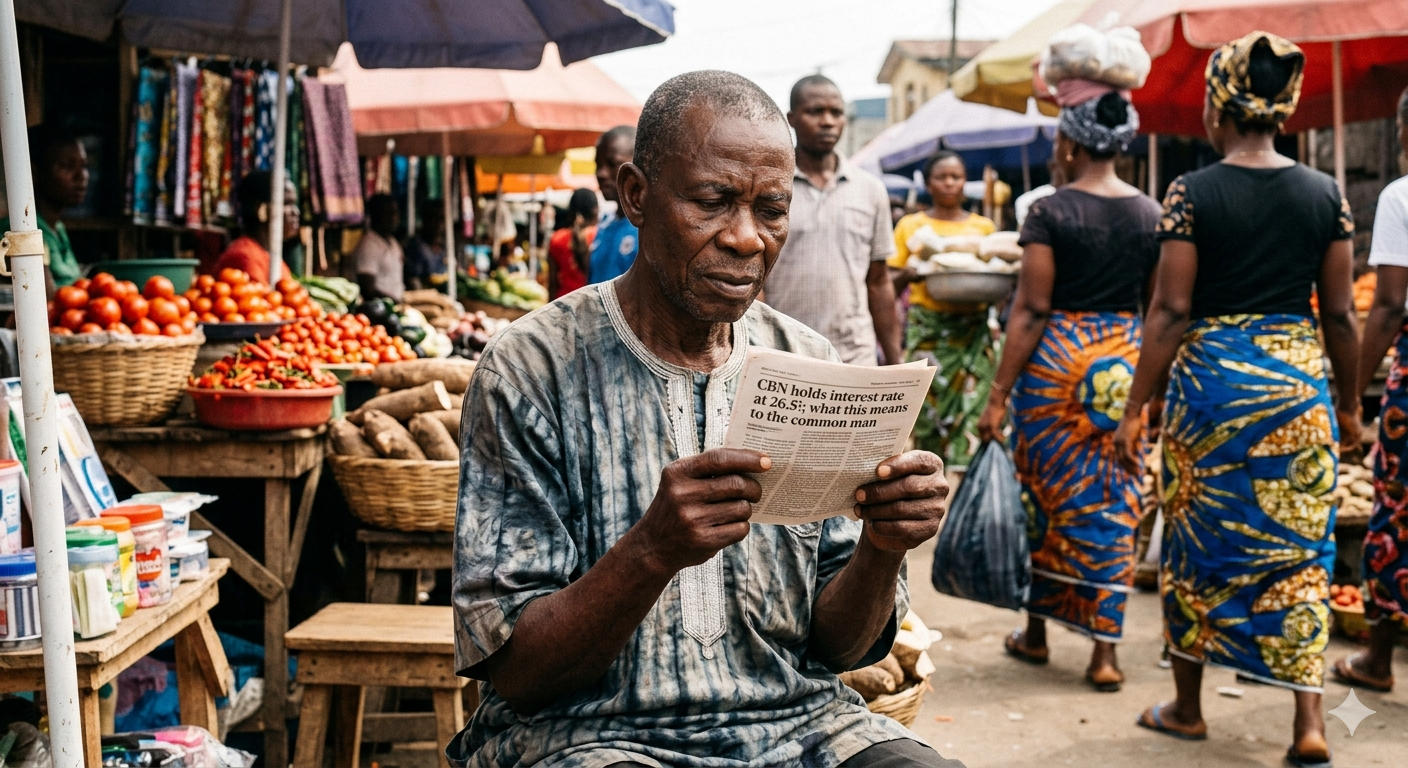
The Central Bank of Nigeria (CBN) kept its main interest rate at 26.5% following its Monetary Policy Committee (MPC) meeting held on July 20–21, choosing to leave all key monetary policy settings unchanged.
CBN Governor Olayemi Cardoso announced the decision at a press briefing on Tuesday. This is the third consecutive hold since the CBN cut rates by 50 basis points in February 2026, and it signals that the committee believes the current policy stance is working and does not yet need adjustment.
Here is what was decided and what each rate means for you:
The Monetary Policy Rate stays at 26.5%. This is the floor for the cost of money in Nigeria. Commercial banks lend above this rate, which is why business loans currently cost anywhere between 28% and 35% per year. If you are a small business owner trying to access credit right now, this rate is directly connected to what you are paying.

The Standing Facilities Corridor remains at plus 50 to minus 450 basis points around the MPR. This is the range within which CBN allows banks to deposit extra cash or borrow cash overnight at rates within a set range, from 0.5% above to 4.5% below the main interest rate. This keeps short-term lending rates stable and controlled.
Similar read: Here are the top CBN directives that shaped Nigeria’s financial sector in the first half of 2026
The Cash Reserve Requirement for commercial banks stays at 45%. This is one of the most consequential numbers on the list and one of the highest CRR levels in the world. It means that for every ₦100 a bank receives as deposits, ₦45 must be held in reserve and cannot be lent out. That single policy dramatically reduces how much money banks have available to lend into the economy. For merchant banks, the CRR is 16%, and for non-TSA public sector deposits, it is 75%.

What the CBN Governor said about the naira and what it means
Beyond the rate decision, the CBN Governor addressed the exchange rate directly, and his explanation is worth understanding clearly.
Cardoso said the value of the naira is not set by the CBN at a fixed price. It is determined by a transparent market of willing buyers and willing sellers. What actually moves the naira, he explained, is driven by three main things: how much Nigeria earns from oil and non-oil exports, how much Foreign Direct Investment flows into the country, and how productive the domestic economy is, specifically whether Nigeria is making enough locally to reduce its dependence on imports.
Think of it this way. When Nigeria exports more oil and earns more dollars, there are more dollars available in the market and demand for those dollars decreases, which can strengthen the naira. When a foreign company brings $100 million into Nigeria to set up a factory, it exchanges those dollars for naira, that demand for naira supports its value. And when Nigerians buy more locally produced goods instead of importing everything, fewer naira are being converted to dollars to pay for imports, which reduces the pressure on the exchange rate.
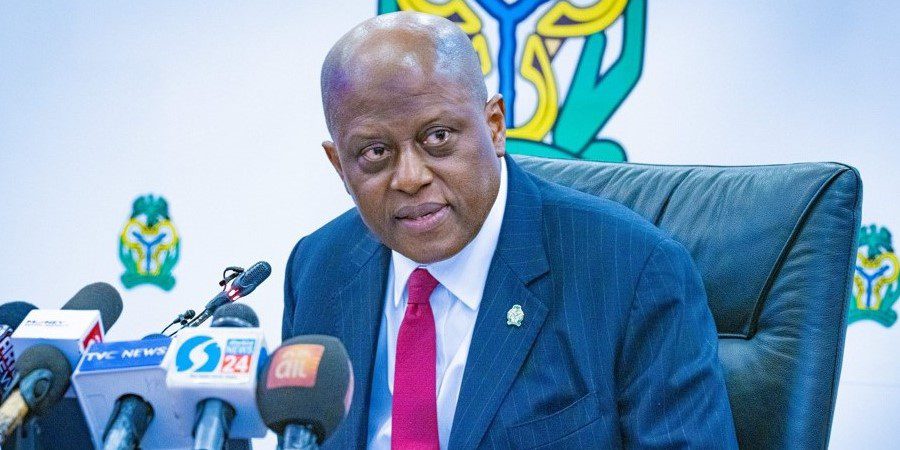
The CBN’s stated role is to keep that market open and functional, not to artificially control the outcome.
The decision to hold rates steady reflects a committee that is watching Nigeria’s inflation trajectory carefully. Inflation has been declining from its 2025 highs but remains elevated. Cutting rates now could reignite price pressures. Raising them further could choke off borrowing and economic activity even more.
Holding is the committee’s way of saying: the current approach is working, and patience is the right call for now.
Also read: All CBN’s Directives in H1 2026 and how they affected banks and fintechs
