



A Kenyan high court has ruled that government authorities lack the power to shut down websites without a court order authorising such action. This comes after the court nullified a major part of the Computer Misuse and Cybercrimes (Amendment) Act, 2025.
In a ruling delivered on Thursday following a series of petitions against the revised law filed by Kenyan pressure groups, the court explained that allowing government agencies absolute powers to block websites poses a form of censorship.
Specifically, the court is striking down sections of the revised document that grant the government censorship-like authority.
For instance, Section 6(1)(j)(a) of the document gave the National Computer and Cybercrimes Coordination Committee, known as NC4, authority to order internet service providers (ISPs) to block websites and apps it perceived as hosting forms of terrorism content, cult activity, extremist material, or child sexual exploitation content.
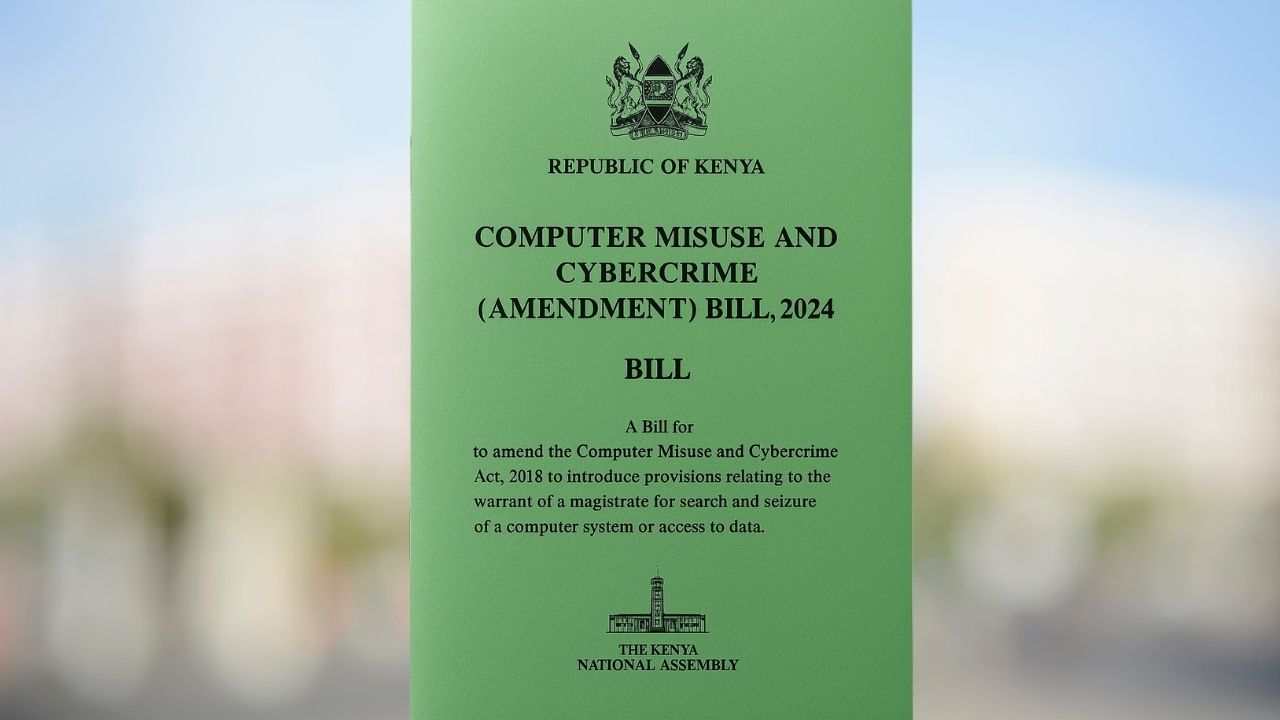
The grounds of the court’s ruling were that granting the Kenyan government absolute authority to crack down on websites would defeat the purpose of democracy. The judge noted that letting a committee decide what counts as illegal content and shutting down websites without third-party checks raises questions about integrity.
Therefore, its ruling on obtaining a court order allows for checks and balances.
In addition, the court described such authoritative power as harmful to freedom of speech, stating how it can be used to forcefully control how people interact on websites and platforms. It described this as an act of restraining individuals from social media expression.
The court also found that Section 6(1)(j)(a) of the document had provided the committee with a process for blocking content and failed to involve court oversight. It stressed that the government failed to show that the power over content moderation is necessary and that there is no alternative to achieving the same goal in a less restrictive way.
Also Read: Kenya court clears Vodacom’s $1.6 billion Safaricom acquisition.
Kenyan court imposed additional crackdown
Aside from preventing the Kenyan government from shutting down websites without a court order, the court also flagged Section 27(1)(b), a part that made it a crime to send a communication that is “likely to cause” someone to commit suicide.
In its judgment, the judge said the wording was too vague. It explained that criminal offences must be clearly defined so that people know in advance what acts will land them in trouble. The judge added that using “likely to cause” is too subjective and open-ended to meet that bar.

The ruling comes amid previous scenarios where government agencies shut down the internet for days, raising questions over acts of censorship.
During the June 2024 youth-led #RejectFinanceBill protests, the Communications Authority was accused of throttling connectivity despite earlier denials of any intention to restrict access.
